
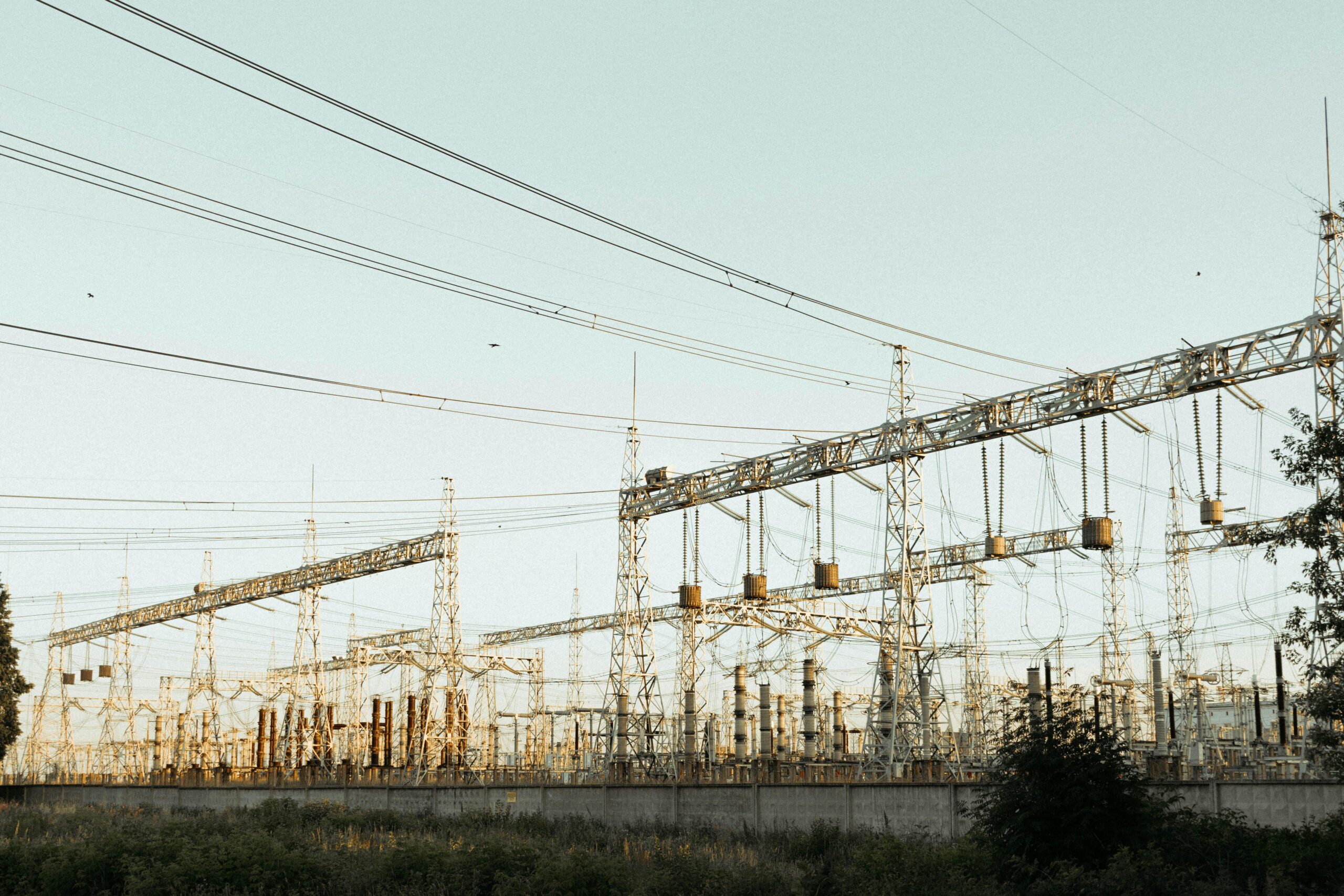
Substation and Interconnection Infrastructure
A solar array without a functioning grid connection is just a field of panels. The work of turning generated electricity into delivered power runs through substation and interconnection infrastructure, and for solar contractors, developers, and owners, understanding how this infrastructure works, who is responsible for it, and how it affects project timelines is one of the most important pieces of the utility-scale puzzle.
Interconnection is consistently one of the longest lead-time items in a solar project. Delays tied to substation design, equipment procurement, utility coordination, and permitting have pushed project timelines by months or even years on large-scale developments. For contractors involved in construction phasing, schedule management, and site buildout, having a working knowledge of interconnection infrastructure is essential to planning your scope around a timeline you do not fully control.
What Is Substation and Interconnection Infrastructure?
In the context of a solar project, substation and interconnection infrastructure refers to the electrical equipment and systems that step up the voltage produced by the solar array to the level required by the transmission or distribution grid, and physically connect the project to the utility's network.
A typical utility-scale solar project involves two primary electrical interfaces: the collection system, which gathers energy from the inverters and delivers it to the project substation, and the point of interconnection (POI), where the project substation connects to the utility's transmission or distribution system.
The project substation is the hub of this infrastructure. It typically includes:
- A step-up power transformer, which increases voltage from the collection system level (often 34.5 kV) to the transmission level (often 115 kV, 138 kV, or higher depending on the region)
- High-voltage switchgear and circuit breakers for protection and isolation
- Revenue-grade metering equipment required by the utility for billing and settlement
- SCADA and communication systems that allow the utility to monitor and control the project remotely
- Protective relay systems that detect faults and disconnect the project from the grid when required
The interconnection itself refers to the physical tie between the project substation and the utility's existing transmission or distribution infrastructure, which may involve a new transmission line, a tap to an existing line, or a direct connection to an existing substation.
Who Owns What: Developer vs. Utility Responsibilities
One of the most common sources of confusion on solar projects is understanding where the developer's responsibility ends and the utility's begins. This line varies by utility, by interconnection agreement, and by the specific design of the project, but a general framework applies in most cases.
The developer is typically responsible for designing, procuring, and building everything up to and including the project substation. This includes the collection system, the step-up transformer, the high-voltage switchgear, the revenue meter, and the protection systems required by the utility's interconnection technical requirements.
The utility is typically responsible for any upgrades to its own transmission system required to accommodate the new generation, which may include new transmission lines, upgrades to existing substations, or reinforcement of the broader grid. These are called network upgrades, and they are one of the primary cost and schedule variables in the interconnection process. Depending on the study outcome, network upgrades can range from minimal to tens of millions of dollars, and the developer is typically required to fund them even though the utility owns and operates the resulting infrastructure.
The Federal Energy Regulatory Commission (FERC), through its open access transmission rules and interconnection reform proceedings, governs the interconnection process for projects connecting to transmission systems regulated at the federal level. FERC's interconnection rules establish the study process, the timeline requirements for utilities, and the rights of project developers throughout the queue. More information on FERC's interconnection regulations and recent reform efforts is available at ferc.gov.
The Interconnection Queue Process
Getting a solar project interconnected to the grid requires working through the utility's interconnection queue, a formal process governed by the utility's tariff and, for transmission-level projects, by FERC regulations. Understanding this process is critical for project scheduling because the queue timeline is largely outside the developer's control.
The process typically begins when the developer submits an interconnection application and pays a deposit to the utility. The utility then conducts a series of power flow and stability studies to assess the impact of the new generation on its system and to determine what, if any, network upgrades are required.
These studies are conducted in sequence across multiple projects in the queue, which means a project's study timeline is affected by how many other projects are ahead of it and how complex those upstream projects are. Queue interconnection reform has been a major topic at FERC in recent years specifically because backlogs have grown severe in high-demand regions, with some projects waiting five or more years to complete the study process.
Once studies are complete and the interconnection agreement is executed, the developer can move forward with detailed substation design and equipment procurement. The interconnection agreement specifies the technical requirements the project must meet, the testing that must be completed before energization, and the operational requirements the project must follow in service.
For contractors working on the construction side, the practical implication is that the interconnection agreement and the utility's technical requirements drive the detailed design of the project substation. Nothing in the substation can be finalized until the interconnection agreement is in place, which is why substation design and procurement often run on a parallel track to the rest of construction and frequently become the critical path item that determines the project's commercial operation date.
Key Equipment and Long Lead Times
The power transformer is the single most schedule-sensitive piece of equipment in a solar project's substation. Large power transformers are manufactured by a limited number of suppliers globally, and lead times for utility-scale transformers have stretched significantly in recent years due to supply chain constraints and growing demand from both new generation projects and grid modernization programs.
Lead times for large power transformers commonly range from 12 to 24 months or longer, depending on the voltage rating, the MVA capacity, and the manufacturer. For project developers and contractors, this means transformer procurement cannot wait for the interconnection agreement to be fully executed. Many developers opt to place transformer orders based on preliminary specifications, accepting some level of specification risk in exchange for protecting the project schedule.
Other long-lead equipment in the substation includes high-voltage circuit breakers, power meters, and protection relays. While these typically have shorter lead times than the transformer, they still require early identification and procurement to avoid becoming a schedule constraint as commissioning approaches.
Our post on Key Milestones to Track for Solar Construction covers how major procurement milestones fit into the overall project schedule and why tracking them proactively is essential to avoiding delays at the end of the project.
Substation Design Considerations for Solar Projects
Substation design for a solar project involves decisions that affect cost, reliability, maintainability, and the utility's willingness to approve the design. Several considerations are worth understanding for anyone involved in project development or construction.
Bus configuration refers to how the high-voltage equipment within the substation is arranged. Common configurations include single bus, main-and-transfer bus, and breaker-and-a-half arrangements. The utility's technical requirements will often specify a minimum bus configuration based on the project's size and the reliability requirements of the transmission system it connects to. More robust configurations provide greater operational flexibility but at higher equipment and construction cost.
Protection coordination is one of the most technically complex aspects of substation design. The protection systems in the project substation must coordinate with the utility's existing protection schemes so that a fault on the project does not affect the rest of the grid, and vice versa. The utility's interconnection technical requirements will specify protection functions and relay settings that the project must implement, and these requirements must be incorporated into the design from the start.
SCADA and communication requirements have grown significantly as utilities seek greater visibility and control over distributed generation resources. Modern interconnection agreements often require solar projects to provide real-time telemetry to the utility's control center, participate in automatic generation control (AGC), and support curtailment commands from the grid operator. Communication infrastructure, including fiber optic links or microwave systems, must be designed and installed as part of the project.
Site grounding is a safety-critical element of substation design that is sometimes underestimated. The grounding system must be designed to limit step and touch potentials during fault conditions to levels safe for personnel working in and around the substation. This typically requires a soil resistivity study and a ground grid design that meets IEEE Standard 80 requirements.
Commissioning and Energization
Once the substation is built and all equipment is installed, the project must complete a commissioning and testing sequence before the utility will authorize energization. This process verifies that all protection systems are functioning correctly, that communications are operational, and that the project meets the technical requirements specified in the interconnection agreement.
Commissioning for the substation typically includes factory acceptance testing (FAT) of the transformer and major equipment, site acceptance testing (SAT) after installation, relay testing and coordination verification, communications testing with the utility's control center, and a final witness test in the presence of the utility before the project is authorized to inject power into the grid.
The timing of utility witness testing can be a schedule risk if not coordinated early. Utilities have limited resources for interconnection commissioning activities, and scheduling conflicts can result in delays of several weeks if the developer does not engage the utility's interconnection team well in advance of the target energization date.
Our post on Construction Phasing in Utility-Scale Solar: Prep to Energization covers how the energization milestone fits into the broader construction phase sequence and how to coordinate substation commissioning with the rest of the project's closeout activities.
How Interconnection Infrastructure Affects the Broader Construction Schedule
For solar contractors managing large-scale site construction, interconnection infrastructure affects scheduling in several specific ways that are worth planning around from the start.
The project substation is typically located near the point of interconnection, which may be at the edge of the project site or at a separate location connected by a short transmission line. Substation civil work, including grading, gravel, fencing, and concrete foundations, can begin once the site is mobilized and the substation layout is finalized. But electrical installation cannot begin in earnest until equipment is delivered, which depends on the procurement lead times described above.
The collection system, which runs from the inverters to the substation, involves significant underground or overhead electrical work that must be coordinated with grading, pile driving, and other site activities. Trenching for underground collection cables is typically sequenced after rough grading is complete but before roads and final site surfaces are installed. Coordination between the civil crew, the electrical crew, and the pile driving team is essential to keeping these scopes from blocking each other.
Our post on Solar Construction Productivity Planning for Large Sites addresses how to structure crew sequencing and scope coordination on large solar sites to keep parallel work streams moving without conflict.
Finally, the risk mitigation value of early interconnection engagement cannot be overstated. Projects that wait until construction is underway to finalize their interconnection agreement often find themselves in a position where the array is complete and ready to produce power, but the substation cannot be energized because a utility approval or a piece of equipment is still outstanding. That situation represents a costly delay that affects revenue, financing terms, and sometimes contractual deadlines with offtakers.
The U.S. Department of Energy's Office of Electricity has published extensive research and guidance on grid interconnection challenges and the infrastructure investments needed to support utility-scale solar growth across the country. Their resources provide valuable context on how interconnection policy and infrastructure planning are evolving at the national level.
What Solar Contractors Should Know Going Into a Project
For construction teams that are not responsible for the interconnection process itself, the key takeaways are practical: understand where the substation is located and what civil work is needed before electrical installation can begin, track transformer and switchgear delivery as a critical path item alongside module and tracker deliveries, coordinate collection system trenching and conduit installation with the site grading schedule, and engage early with the commissioning plan so substation energization does not catch the construction team flat-footed.
The interconnection process is one of the variables in utility-scale solar that contractors cannot directly accelerate, but a well-coordinated construction team can make sure that everything within their control is ready when the utility gives the green light.
Our post on Large-Scale Solar Farms: Building the Foundation for Power covers the full scope of what goes into building a utility-scale solar project from site preparation through final delivery, including how the substation and collection system fit into the overall construction sequence.
Ready to discuss your utility-scale solar project? Contact Ansgar Solar Solutions to learn how our construction experience supports complex project timelines from groundbreaking through energization.

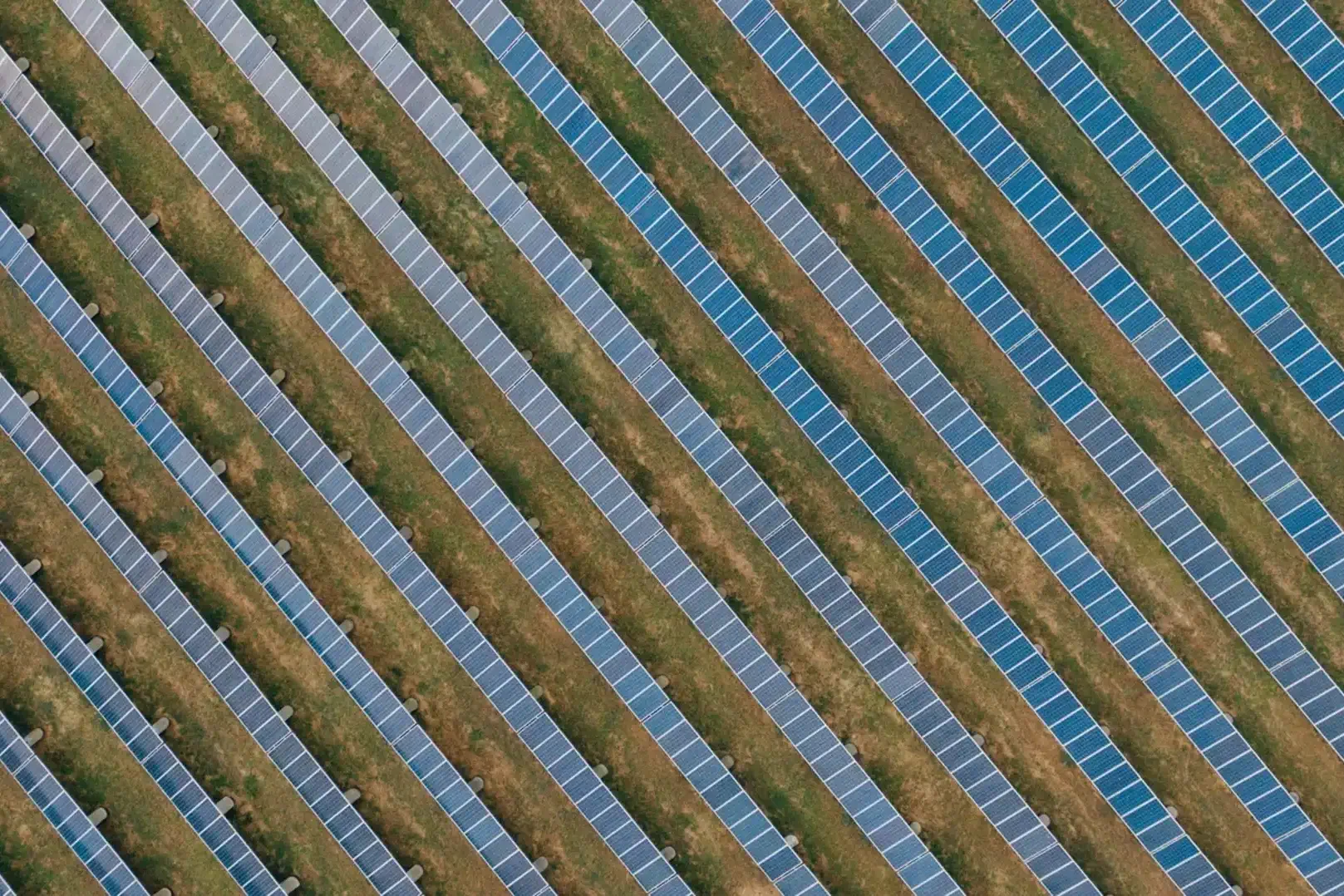
What to Look for in a Solar Construction Partner
Choosing the right solar construction partner is one of the most important decisions in any utility scale or commercial solar project. While technology, financing, and site selection all play a role, the construction partner ultimately determines how efficiently a project is delivered, how well it performs, and how long it lasts.
A strong solar construction partner does more than install panels. They manage logistics, coordinate labor, maintain quality standards, and align construction with long term performance goals. The wrong partner can lead to delays, cost overruns, and underperforming systems.
This guide breaks down what to look for when selecting a solar construction partner and why each factor matters.
Proven Experience in Solar Construction
The first and most obvious factor is experience. Not all contractors are equipped to handle the complexities of solar construction, especially at scale.
A qualified solar construction partner should have:
- Experience with utility scale or large commercial solar projects
- Knowledge of site specific challenges such as soil conditions and grading
- Familiarity with solar specific installation processes including pile driving and tracker systems
Solar projects require coordination across multiple disciplines including civil, mechanical, and electrical scopes. A partner with proven experience understands how these elements interact and how to avoid conflicts that can slow down progress.
According to the U.S. Department of Energy, planning and construction decisions made early in a solar project directly impact installation efficiency and long term system performance . That means your construction partner must be capable of executing with precision from day one.
Strong Project Management Capabilities
Solar construction is a fast moving process with many moving parts. Without strong project management, even experienced contractors can fall behind schedule.
A reliable solar construction partner should provide:
- Clear construction schedules and sequencing plans
- Dedicated project managers who communicate regularly
- Coordination between subcontractors and suppliers
- Real time problem solving when challenges arise
Project management is especially critical on large solar sites where delays in one phase can impact multiple downstream activities. For example, delays in pile installation can affect tracker installation, electrical work, and commissioning timelines.
A partner who understands how to maintain momentum across all phases of construction is essential for keeping projects on track.
Commitment to Quality and Compliance
Quality is one of the most overlooked aspects when selecting a solar construction partner. However, it has a direct impact on system performance, safety, and long term maintenance costs.
Your solar construction partner should demonstrate:
- Strict adherence to building codes and industry standards
- Documented quality control processes
- Inspection and testing procedures throughout construction
- Skilled labor trained in solar specific installation practices
Solar installations must meet structural and electrical requirements to protect both the system and the surrounding environment. Industry guidelines emphasize that all solar projects must comply with applicable building codes and safety standards to protect life and property .
Poor workmanship or lack of oversight can lead to issues such as misaligned modules, faulty wiring, or structural instability. These problems may not be visible immediately but can reduce energy output over time.
Ability to Scale Labor and Resources
Utility scale solar projects often require rapid mobilization of labor and equipment. A strong solar construction partner must be able to scale resources based on project demands.
This includes:
- Access to trained crews for large scale installations
- Flexibility to adjust workforce size as needed
- Equipment availability for tasks such as pile driving and module installation
- Experience working on multi phase or multi site projects
Solar construction timelines are often tight due to financing requirements, interconnection deadlines, or seasonal conditions. A partner who cannot scale effectively may create bottlenecks that delay completion.
The ability to mobilize quickly and maintain productivity across the entire site is a major differentiator between average and high performing contractors.
Understanding of Site Conditions and Pre Construction Planning
A successful solar project starts long before construction begins. A knowledgeable solar construction partner will play a role in evaluating site conditions and preparing for efficient execution.
Key considerations include:
- Soil conditions and foundation requirements
- Drainage and erosion control planning
- Access roads and logistics for equipment delivery
- Environmental and permitting requirements
A partner who is involved early can identify potential risks and recommend solutions before they become costly problems.
Focus on Long Term Performance
Solar construction is not just about completing a project. It is about building a system that performs reliably for decades.
A strong solar construction partner will consider:
- Module alignment and installation accuracy
- Structural integrity under weather conditions
- Electrical system reliability
- Ease of maintenance and access
Studies have shown that most solar systems perform close to expected output, but early life issues are often preventable with proper installation and standards .
This means the quality of construction directly impacts long term energy production. Choosing a partner who prioritizes performance helps protect your investment.
Safety Culture and Compliance
Safety is a critical component of any construction project, and solar sites are no exception.
A qualified solar construction partner should have:
- A strong safety record
- Documented safety procedures and training programs
- Compliance with OSHA and local regulations
- Daily safety briefings and site monitoring
Solar construction involves heavy equipment, electrical work, and large crews operating in dynamic environments. A partner who prioritizes safety reduces the risk of incidents that can delay projects and increase costs.
Transparent Communication and Collaboration
Clear communication is essential throughout the construction process. Your solar construction partner should act as a collaborative partner, not just a contractor.
Look for a team that:
- Provides regular updates on progress and challenges
- Works closely with developers, engineers, and owners
- Is responsive to questions and changes
- Offers solutions rather than just identifying problems
Transparency builds trust and allows all stakeholders to stay aligned on project goals.
End to End Capabilities
The best solar construction partners offer more than just installation services. They provide support across the entire construction lifecycle.
This may include:
- Pre construction planning and site preparation
- Civil and mechanical construction
- Electrical installation and commissioning
- Quality assurance and final inspections
Having a single partner who can manage multiple aspects of the project reduces complexity and improves coordination.
Why the Right Solar Construction Partner Matters
Choosing the right solar construction partner is not just about completing a project. It is about delivering a system that meets performance expectations, stays on schedule, and operates reliably for years to come.
A strong partner brings:
- Efficiency in execution
- Confidence in quality
- Reduced risk of delays and rework
- Long term value for the project owner
In a competitive solar market, these advantages can make a significant difference in project success.
Final Thoughts
Selecting a solar construction partner should be a strategic decision based on experience, quality, scalability, and communication. The right partner will not only build your project but also contribute to its long term success.
As solar adoption continues to grow, the demand for reliable and experienced construction partners will only increase. Taking the time to evaluate potential partners carefully will position your project for better outcomes from day one.
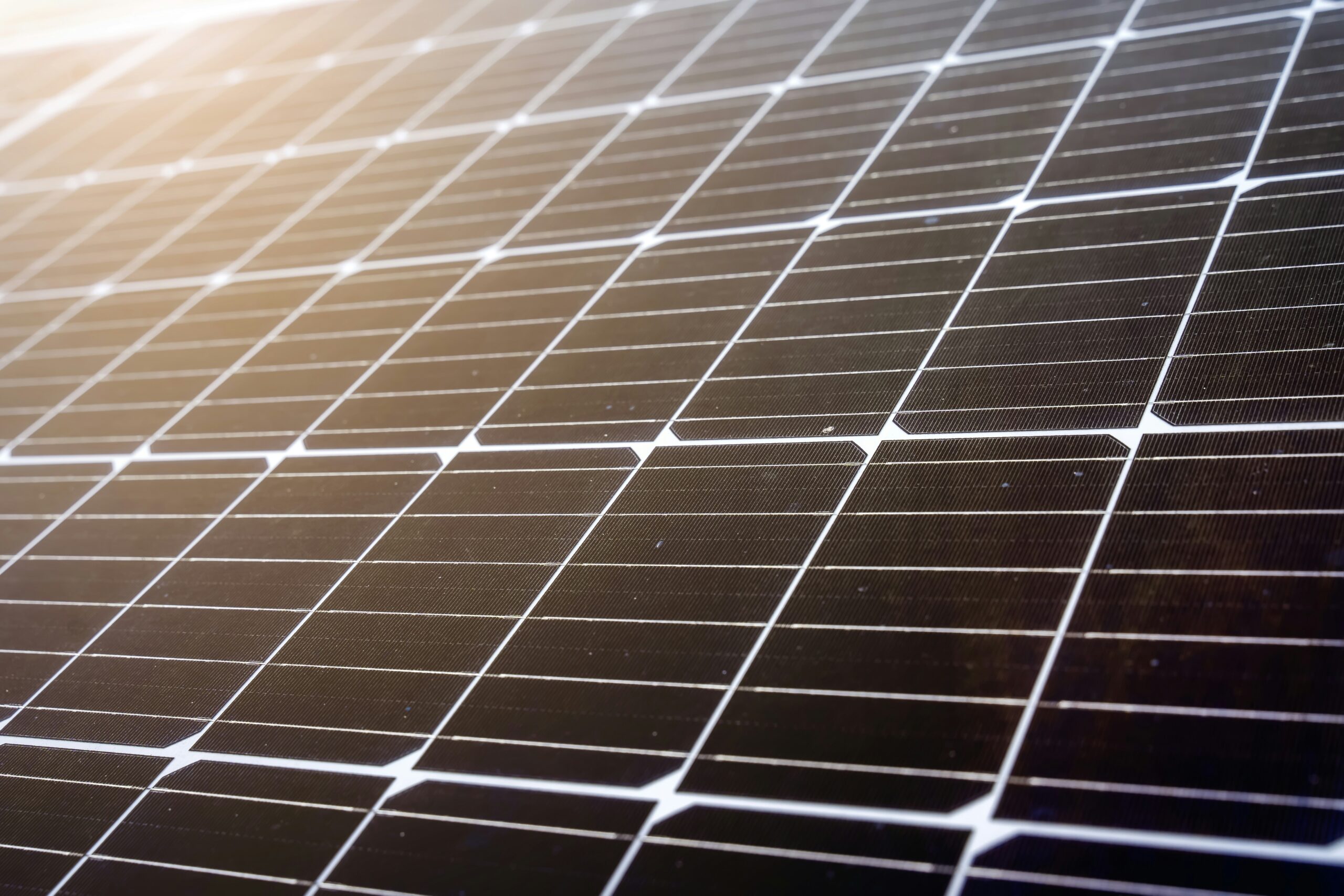
Maximizing Energy Production with Tracker Systems
Utility scale solar projects continue to push for higher output, improved performance, and stronger return on investment. One of the most effective ways to achieve these goals is by implementing tracker technology. Maximizing Energy Production with Tracker Systems has become a core strategy across large scale solar developments because trackers allow photovoltaic modules to follow the sun throughout the day, increasing total energy capture and improving project economics.
For companies like Ansgar Solar that deliver utility scale installations including pile driving, tracker systems, and module installation, tracker technology plays a central role in maximizing site performance. When properly designed, installed, and commissioned, tracker systems can significantly increase energy production while improving land use efficiency and overall project value.
This article explores how tracker systems work, why they increase solar output, and how developers can optimize projects to maximize energy production with tracker systems.
What Are Solar Tracker Systems
Solar tracker systems automatically move photovoltaic panels to follow the sun's position throughout the day. Unlike fixed tilt systems that remain in a static position, tracker systems rotate modules to maintain a more direct angle to sunlight, which increases energy capture.
The U.S. Department of Energy explains that tracking mechanisms move panels across the sky, providing more energy and improving returns compared to fixed installations.
There are two primary types of tracker systems used in utility scale solar projects:
Single Axis Trackers
Single axis trackers rotate east to west, following the sun throughout the day. These systems are the most commonly used in large scale solar installations due to their balance of performance and cost.
Dual Axis Trackers
Dual axis trackers move both east to west and north to south, maintaining optimal alignment with the sun year round. These systems offer maximum performance but typically involve higher costs and increased mechanical complexity.
Both technologies are used when maximizing energy production with tracker systems is a priority.
How Tracker Systems Increase Energy Production
Tracker systems improve energy output by minimizing the angle between incoming sunlight and the solar panel surface. This allows panels to capture more direct irradiance throughout the day.
Additional research shows tracker systems can increase overall energy yield by approximately 20 to over 40 percent depending on location, system design, and climate conditions.
These gains occur because trackers:
- Capture more morning and afternoon sunlight
- Maintain optimal panel orientation
- Reduce cosine losses
- Increase annual capacity factor
- Improve energy density per acre
- Extend production hours
For utility scale solar farms, these improvements translate directly into higher project revenue and improved levelized cost of energy.
Why Utility Scale Solar Uses Tracker Systems
Most modern utility scale solar farms now use tracker technology as a standard design approach. The reason is simple: maximizing energy production with tracker systems leads to stronger project economics.
Key benefits include:
Higher Annual Energy Output
Tracker systems produce more electricity from the same installed capacity, increasing total project output.
Improved Land Use Efficiency
More energy per acre reduces land requirements and improves site value.
Better Production Profile
Tracker systems flatten the production curve, capturing more energy during early morning and late afternoon hours when electricity demand can be higher.
Lower Levelized Cost of Energy
Higher production lowers cost per megawatt hour over the life of the project.
Increased Revenue Potential
More energy production means stronger long term returns for project owners.
These advantages explain why maximizing energy production with tracker systems has become the preferred approach for large scale solar developments.
Design Factors That Maximize Tracker Performance
Installing trackers alone does not automatically guarantee maximum output. Proper engineering and construction practices are required to fully optimize performance.
Site Layout Optimization
Terrain Considerations
Sloped sites require specialized tracker designs to maintain alignment and structural stability. Proper pile driving and foundation installation are critical.
Wind Design
Tracker systems must be engineered for site specific wind conditions. Stow angles and structural design protect equipment while maintaining production.
Backtracking Algorithms
Modern trackers use backtracking to reduce row to row shading. This improves energy production during early and late hours.
Module Selection
Bifacial modules combined with tracker systems can further increase output by capturing reflected light from the ground.
Studies show bifacial modules in single axis tracking systems can increase energy yield by an additional 4 to 15 percent depending on site conditions.
When these factors are considered together, projects can significantly improve performance and maximize energy production with tracker systems.
Construction Considerations for Tracker Systems
Tracker systems require precise construction practices to perform correctly. Installation quality directly impacts long term production.
Pile Installation Accuracy
Tracker systems rely on uniform pile placement. Misalignment can reduce performance and create mechanical stress.
Torque Tube Alignment
Improper alignment can reduce tracking accuracy and increase wear.
Foundation Stability
Stable foundations maintain tracker geometry and performance over time.
Electrical Coordination
Tracker wiring and control systems must be installed correctly for reliable operation.
Commissioning and Calibration
Proper commissioning ensures trackers follow solar paths accurately.
Ansgar Solar’s experience with pile driving, tracker installation, and module placement supports maximizing energy production with tracker systems across utility scale projects.
Single Axis vs Dual Axis for Maximizing Energy Production
Both tracker types improve production, but each has different advantages.
Single Axis Trackers
- Lower cost
- Simpler mechanics
- Proven reliability
- Ideal for utility scale solar
- Strong energy gains
Dual Axis Trackers
- Maximum solar alignment
- Higher energy output
- More complex design
- Higher installation cost
- Typically used for specialty applications
Most large solar farms choose single axis trackers because they provide strong performance gains with lower cost and complexity.
Operational Benefits of Tracker Systems
Beyond production gains, tracker systems also improve operational performance.
Reduced Curtailment Risk
Higher output during off peak hours improves grid integration.
Improved Inverter Utilization
Flattened production curve maximizes inverter use.
Better Temperature Performance
Trackers reduce heat buildup by adjusting panel angles.
Improved Snow Shedding
Tilt capability helps remove snow accumulation.
Maintenance Accessibility
Tracker spacing often improves access for service crews.
These operational benefits further support maximizing energy production with tracker systems.
Future Trends in Tracker Technology
Tracker technology continues to evolve as solar projects grow larger and more sophisticated.
Emerging improvements include:
- Smart tracking algorithms
- AI driven optimization
- Wind stow automation
- Terrain following trackers
- Bifacial optimization
- Row level control systems
- Integrated monitoring platforms
These advancements will continue improving energy production and project reliability.
Why Tracker Systems Are Critical for Utility Scale Solar
Utility scale solar projects depend on maximizing output to remain competitive. Tracker systems allow developers to produce more electricity from the same footprint.
By increasing energy yield, improving performance, and optimizing land use, tracker systems provide one of the most effective ways to enhance solar project economics.
Maximizing energy production with tracker systems requires the right combination of engineering, construction, and commissioning expertise. Proper installation, alignment, and calibration ensure trackers deliver their full performance potential.
Maximizing Energy Production with Tracker Systems
Tracker technology has transformed utility scale solar design. By allowing modules to follow the sun, these systems significantly increase energy capture and improve project performance.
When properly designed and installed, tracker systems:
- Increase annual energy production
- Improve land efficiency
- Reduce cost per megawatt hour
- Extend production hours
- Improve project economics
- Support long term reliability
For developers building large scale solar farms, maximizing energy production with tracker systems is no longer optional. It is a core design strategy.
Ansgar Solar supports this approach with experience in pile driving, tracker installation, and utility scale construction. From site preparation through commissioning, properly installed tracker systems help deliver higher performing solar projects and long term energy production gains.
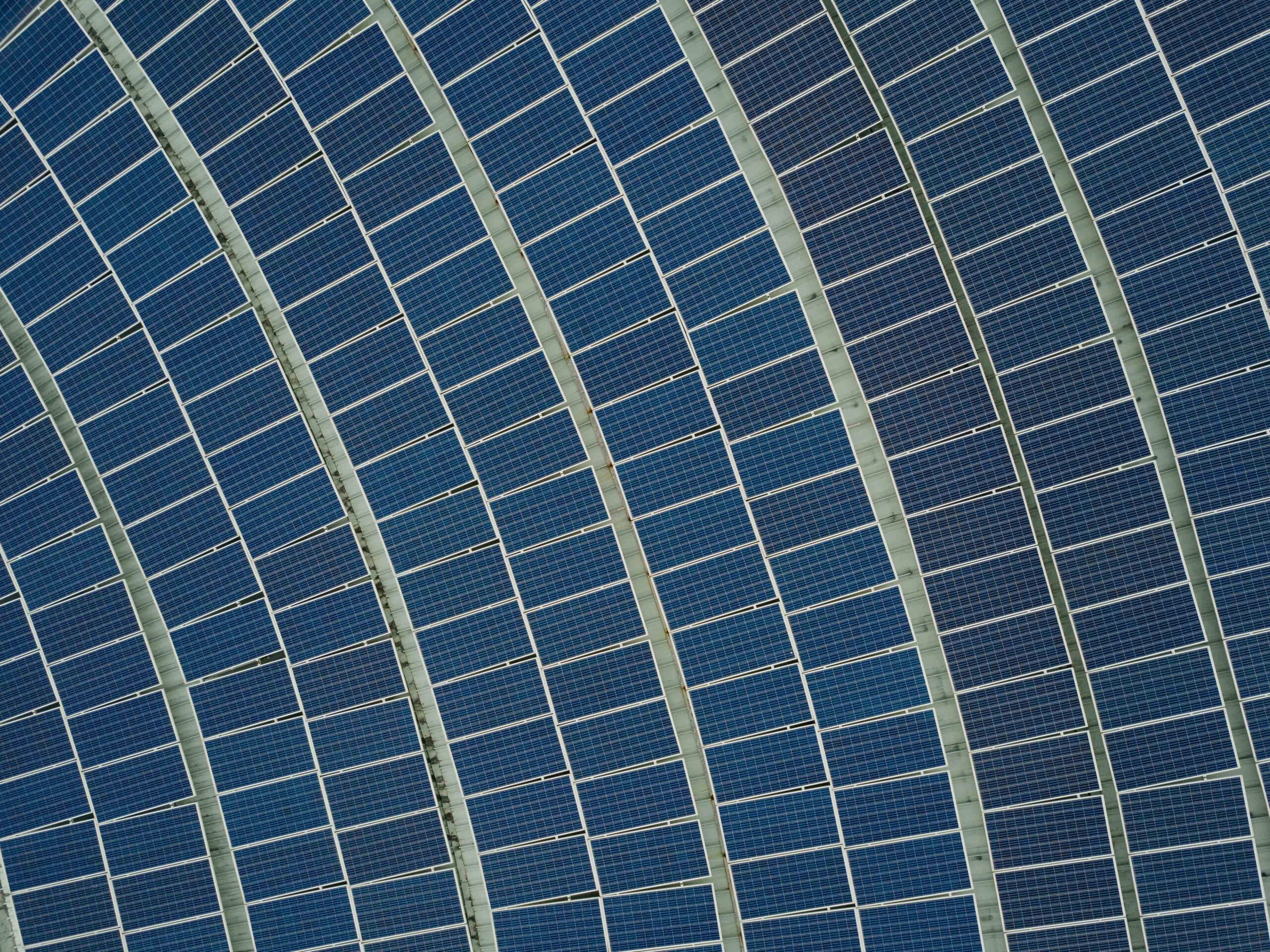
Module Installation at Scale: Efficiency, Accuracy, and Quality
Utility-scale solar projects are transforming the energy landscape. These developments, often spread across hundreds or even thousands of acres, require precise planning, specialized labor, and advanced equipment to meet deadlines and deliver reliable performance. At the heart of this effort lies module installation at scale, the process of efficiently deploying thousands of photovoltaic (PV) modules while maintaining safety and quality standards.
This article explores how module installation at scale shapes the success of utility-scale solar projects, why efficiency and precision matter, and what strategies top EPC (engineering, procurement, and construction) contractors use to execute these complex installations.
Why Module Installation at Scale Matters
The installation of PV modules is one of the most labor-intensive phases of solar construction. Each module must be positioned, aligned, and secured to maximize energy output while withstanding decades of environmental stress. Unlike smaller commercial or residential projects, where hundreds or a few thousand panels are installed, utility-scale projects require tens or even hundreds of thousands.
This scale creates challenges in logistics, workforce management, and equipment use. Without well-coordinated processes, projects can suffer from delays, misalignment, and cost overruns. According to the U.S. Department of Energy (DOE), solar installations accounted for nearly half of all new electricity-generating capacity added in the U.S. in 2023, reflecting how important efficient deployment has become for meeting national energy goals.
Planning for Scale
Effective module installation begins long before the first panel is placed. Successful contractors develop detailed construction sequencing plans that consider site conditions, layout, and delivery schedules.
Key planning steps include:
- Staging areas: Establishing efficient zones for unloading, storing, and transporting modules minimizes bottlenecks.
- Crew assignments: Organizing labor into specialized teams ensures steady progress across large fields of arrays.
- Equipment scheduling: Cranes, lifts, and specialized tools must be allocated carefully to avoid downtime.
- Weather considerations: High winds or heavy rain can pause installation, so flexible scheduling is critical.
By treating installation as a logistical challenge, contractors reduce wasted time and maintain a smooth workflow across the project site.
Equipment and Technology for Efficiency
Module installation at scale depends heavily on advanced equipment. Manual lifting and placement of thousands of modules is impractical and unsafe. Instead, contractors rely on a mix of mechanized solutions to increase efficiency and reduce strain on workers.
Common equipment includes:
- Module handling machines: Designed to lift and place multiple panels at once, these machines speed up installation dramatically.
- Robotics and automation: Emerging technologies are allowing semi-automated placement of modules, reducing labor needs while maintaining precision.
- GPS and laser alignment tools: These ensure rows of modules are positioned correctly, avoiding energy losses from shading or misalignment.
Workforce and Specialized Labor
While equipment plays a critical role, module installation at scale still requires a skilled and disciplined workforce. Specialized labor ensures that modules are handled safely, secured correctly, and connected without defects.
Best practices in workforce deployment include:
- Training programs: Crews should be trained on proper lifting techniques, electrical safety, and the unique demands of utility-scale projects.
- Division of labor: Separating tasks such as placement, fastening, and wiring improves efficiency.
- Retention of experienced teams: Consistency across projects helps reduce mistakes and increase speed.
Ansgar Solar emphasizes the value of specialized solar labor, recognizing that skilled teams are the foundation of efficient, high-quality installations.
Quality Assurance in Large Installations
Speed alone cannot define success. Module installation at scale requires robust quality assurance (QA) to confirm that every module is installed to specification. Minor misalignments or improper fastening can add up to major performance issues across thousands of units.
Quality assurance practices include:
- Torque testing: Ensuring fasteners meet manufacturer specifications.
- Visual inspections: Crews must look for cracks, scratches, or other module defects before installation.
- Electrical testing: Proper wiring and grounding are critical for system reliability.
- Progressive inspections: QA should be built into daily workflows rather than left until the end of construction.
By integrating QA into the installation process, contractors can deliver projects that meet both performance and safety standards.
Safety in Large-Scale Installations
Utility-scale solar construction involves large crews, heavy equipment, and repetitive tasks, all of which create safety risks. OSHA emphasizes that fall protection, electrical safety, and equipment operation are key areas of focus for solar construction sites.
Core safety measures include:
- Fall prevention systems for crews working on elevated racking.
- Lockout/tagout procedures during electrical work.
- Ergonomic tools and practices to reduce worker fatigue.
- Regular safety training and audits to reinforce best practices.
When safety is embedded in every step, crews can work faster without compromising well-being.
Environmental and Community Considerations
Large-scale module installation also intersects with environmental and community responsibilities. Transporting and staging thousands of modules impacts local roads, while dust and noise from construction affect nearby residents. Contractors must balance speed with care.
Environmental measures include:
- Using dust suppression techniques on construction roads.
- Scheduling deliveries to avoid congestion.
- Restoring disturbed land after installation is complete.
These considerations not only meet regulatory requirements but also build goodwill with the surrounding community.
Case for Efficiency and Precision
The case for efficient module installation at scale is clear:
- Cost savings: Faster installations reduce labor and equipment costs.
- Schedule certainty: Meeting deadlines avoids penalties and accelerates project revenue.
- Long-term performance: Precise installation ensures the project delivers expected energy output.
- Worker safety: Mechanization and planning reduce accidents and injuries.
Contractors who master the balance of efficiency, accuracy, and safety are positioned as leaders in the utility-scale solar sector.
Conclusion
As utility-scale solar projects continue to expand, module installation at scale will remain one of the defining challenges of the industry. Successful execution requires a blend of planning, advanced equipment, specialized labor, and robust quality assurance. By focusing on efficiency and precision, EPC contractors can deliver projects that meet the growing demand for renewable energy while maintaining the highest standards of safety and reliability.
Ansgar Solar’s approach to module installation at scale reflects this balance. Through experienced crews, proven processes, and a commitment to quality, we help bring large solar projects from concept to completion with confidence.
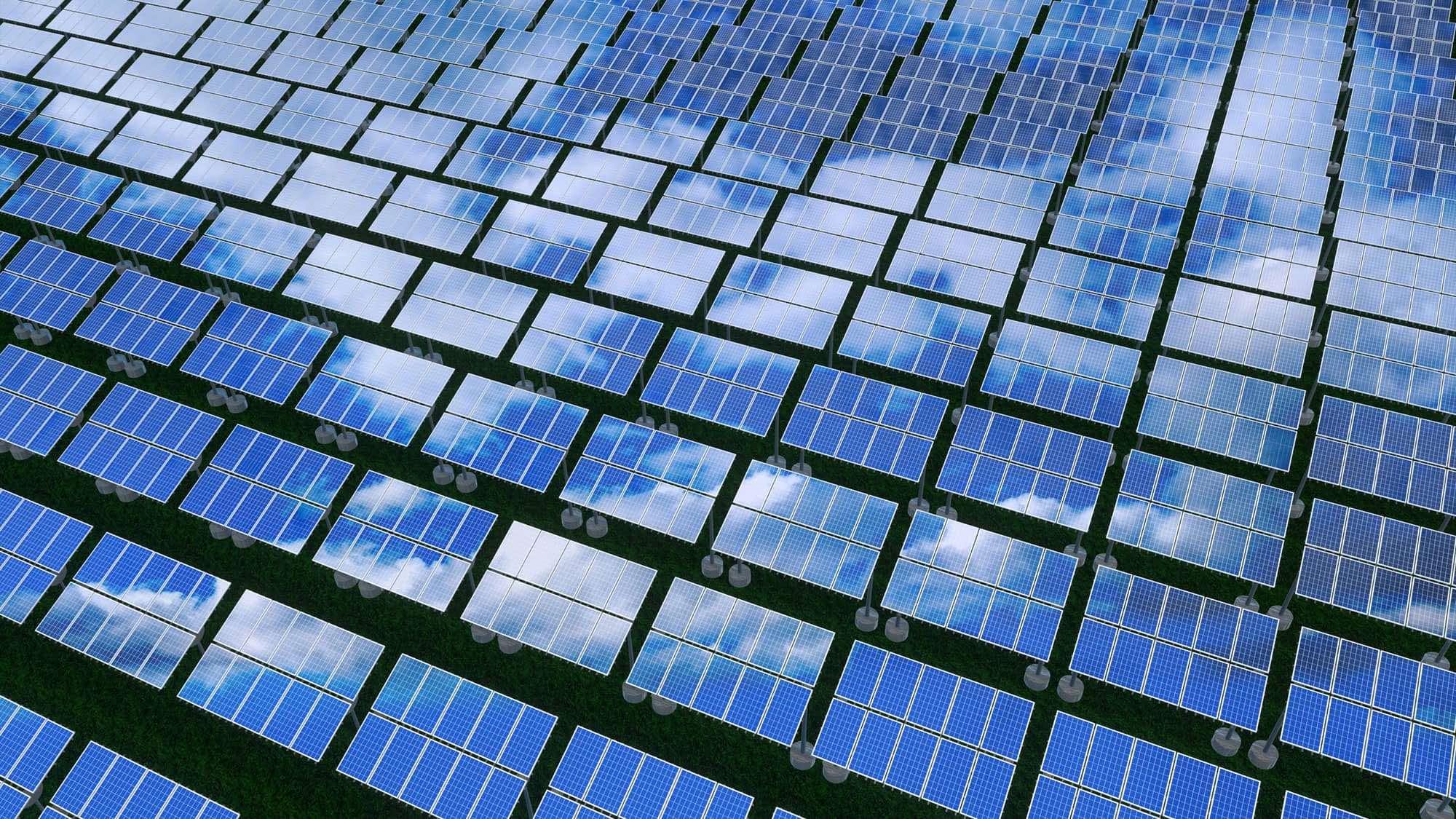
Solar Construction Sequencing: Efficient Buildout
In the world of utility-scale and commercial solar installations, success is not only measured by energy output but by how smoothly a project is constructed. From the moment ground is broken to the final system commissioning, every step must be thoughtfully planned and executed. That is where solar construction sequencing becomes a critical differentiator.
Solar construction sequencing refers to the step-by-step approach used to build a solar installation efficiently, safely, and within budget. Without a strong sequencing strategy, even the best-engineered solar project can run into costly delays, safety risks, or performance issues. This article explores the stages of solar construction, how sequencing supports cost-effective delivery, and why companies like Ansgar Solar prioritize it from day one.
Why Construction Sequencing Matters in Solar Projects
Proper sequencing streamlines labor, reduces site congestion, and maximizes equipment uptime. On large utility-scale jobs where hundreds of acres are under development, solar construction sequencing ensures that civil, structural, and electrical teams do not interfere with one another. For commercial rooftop installations, tight construction zones demand even tighter planning.
The U.S. Department of Energy’s Solar Energy Technologies Office (SETO) notes that achieving economies of scale in solar energy depends in part on efficient project delivery and lower soft costs, including labor and construction coordination. Sequencing supports these goals by keeping crews moving in sync and avoiding rework.
Typical Phases in Solar Construction Sequencing
Below is an overview of the standard phases involved in a well-sequenced solar project:
1. Site Preparation and Civil Work
The first step in solar construction sequencing involves preparing the land. This includes:
- Clearing vegetation and debris
- Grading for drainage and access roads
- Erosion control and fencing
Proper grading is critical to prevent water pooling and maintain structural integrity over time. Site boundaries are marked, staging areas are defined, and access roads are built to allow for heavy equipment movement.
2. Pile Driving and Foundation Work
Once the site is prepped, crews begin installing foundations, typically using driven steel piles for ground-mounted systems. Pile driving must be sequenced across the site to allow racking crews to follow closely behind without interference.
Geotechnical surveys play an important role here. If the site has hard rock, sandy soils, or groundwater issues, it may affect how piles are spaced or anchored. Correct pile installation directly impacts structural stability and alignment of the modules.
3. Racking and Tracker System Installation
After the foundations are set, the racking or tracker systems are assembled and mounted. This phase demands precision since any misalignment can reduce the solar array’s exposure to sunlight.
For utility-scale projects using single-axis trackers, sequencing must coordinate motor installation, drive assemblies, and module rails efficiently. In large solar fields, racking may be installed in zones to allow simultaneous work by multiple crews without overlapping responsibilities.
4. Module Installation
Once racking is in place, modules are mounted. This step is often the most labor-intensive and can represent the visual turning point for a project.
Sequencing is essential here to prevent shadowing from partially completed rows, avoid congestion in narrow pathways, and protect modules from damage by ensuring racking is fully prepared before panel arrival.
Crews follow a methodical pattern, often working in straight lines or zones, minimizing time wasted in transport and improving productivity through repetition.
5. DC Electrical Work
While module installation is underway, electrical crews often begin running wiring and installing combiner boxes and grounding systems.
To prevent delay or conflict with module crews, solar construction sequencing staggers electrical work slightly behind or parallel to panel installation. Proper cable management, conduit bending, and safety practices are essential.
6. Inverter and Transformer Installation
After the DC collection system is complete, inverters and transformers are installed. These convert the solar array’s direct current to alternating current and prepare it for grid interconnection.
These components are usually placed on concrete pads or metal skids and require coordination with electrical engineers, crane operators, and utility representatives. At this stage, project teams start preparing for energization and final testing.
7. AC Electrical and Interconnection
Once inverters are tested, AC cabling is run to the main transformer and grid interconnection point. This final electrical stage includes:
- Testing protection relays
- Ground-fault checks
- Verifying voltage and frequency compliance
Proper sequencing avoids energizing equipment too early or before all safety verifications are complete.
8. Commissioning and Quality Assurance
- Performance ratio testing
- Thermal imaging of modules and inverters
- SCADA system integration
- Punch list walkthroughs
At this point, the construction team hands off the project to operations and maintenance staff. A well-sequenced project will have minimal outstanding issues, allowing for faster turnover and better customer satisfaction.
Avoiding Common Pitfalls in Solar Construction Sequencing
Even experienced solar contractors can encounter issues if sequencing is not carefully planned. Some of the most common pitfalls include:
- Overlapping trades: When electrical and racking crews work in the same space, delays and safety hazards can occur.
- Weather delays: Without buffer time between stages, rain or wind can throw off the entire project.
- Logistics breakdowns: Poorly timed material deliveries can leave crews waiting or rushing, leading to quality issues.
- Lack of communication: If foremen are not updated on daily changes, crews may duplicate work or miss tasks.
Ansgar Solar’s Approach to Smart Sequencing
At Ansgar Solar, sequencing begins before boots hit the ground. Our preconstruction planning team creates detailed schedules, factoring in:
- Labor availability and crew composition
- Site-specific challenges like slope or permitting
- Tracker system lead times
- Equipment mobilization logistics
Once on site, our supervisors use real-time dashboards and crew rotation plans to avoid delays and keep productivity high. Each crew understands where they are in the sequence and what’s needed to keep progress flowing.
We also coordinate closely with clients, utilities, and local inspectors to time critical milestones like interconnection, energization, and commissioning. This attention to sequencing allows us to scale effectively across utility-scale and industrial projects with minimal disruptions.
Final Thoughts
Solar construction sequencing is more than just scheduling; it is the backbone of successful project execution. From pile driving to panel placement to final commissioning, every step must be timed precisely and managed collaboratively.
For solar developers, utilities, and commercial property owners, working with a contractor who understands the nuances of sequencing means better timelines, fewer cost overruns, and more reliable energy generation.
At Ansgar Solar, sequencing is part of how we build smarter, safer, and faster. Whether your project spans a few acres or hundreds, we bring the strategy and systems to deliver it right the first time.
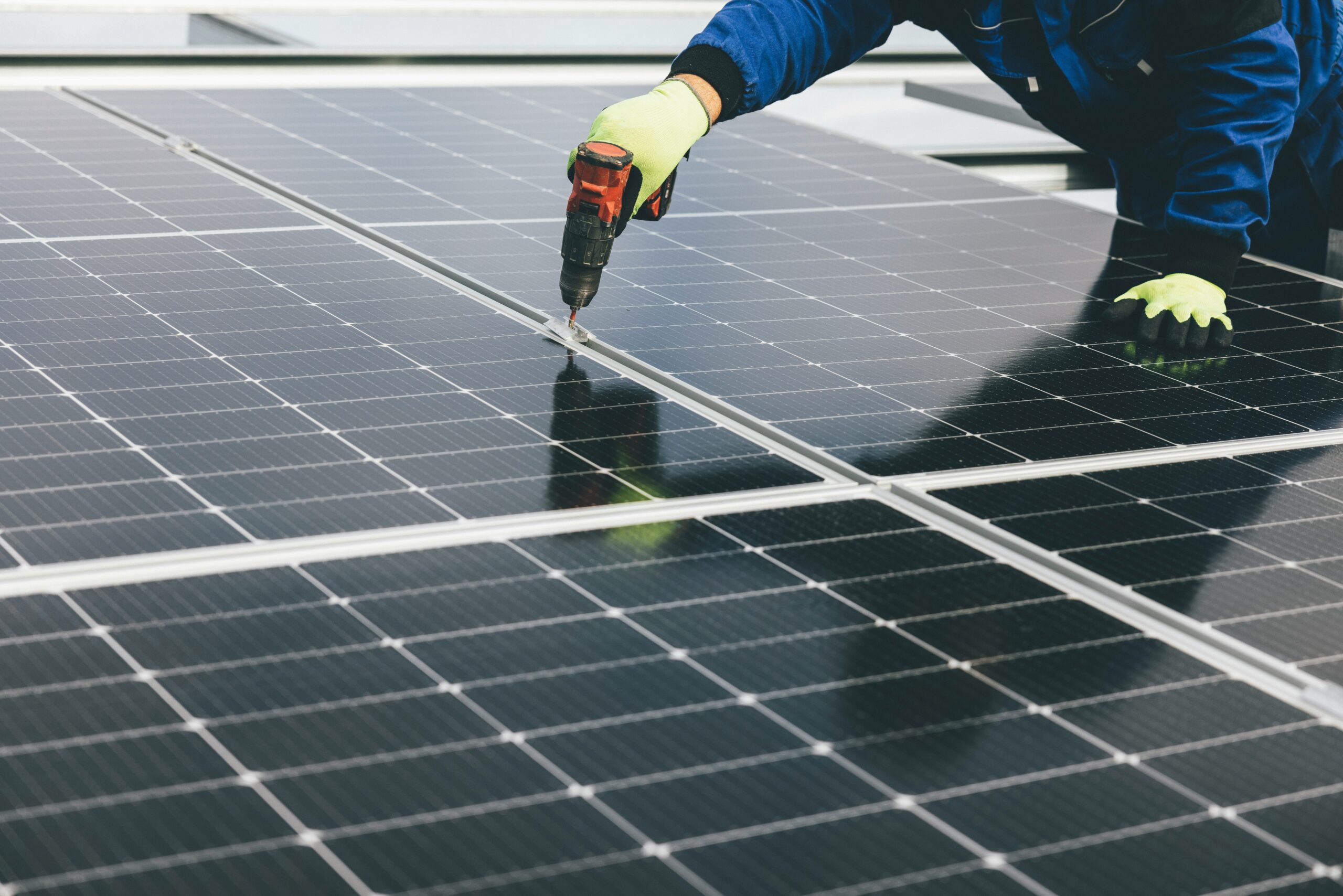
Solar Maintenance Planning for Industrial Facilities
In the industrial sector, downtime is costly, and so is energy waste. As more companies invest in solar energy to meet sustainability goals and cut long-term operating expenses, they are also recognizing the importance of proactive solar maintenance planning. For industrial facilities, solar maintenance planning is not just a recommendation; it’s a strategic necessity to protect system performance, meet energy reliability standards, and sustain return on investment.
Why Solar Maintenance Matters in Industrial Environments
Industrial sites are often subject to more demanding environmental and operational conditions than residential or small commercial settings. These facilities may experience:
- Higher dust and debris accumulation from nearby equipment
- Exposure to corrosive materials or extreme temperatures
- Heavy energy loads with tight performance tolerances
- Security requirements for roof or ground-level installations
Without a solid solar maintenance plan in place, solar arrays at these facilities are more vulnerable to underperformance, degradation, and even unexpected shutdowns.
What Is Solar Maintenance Planning?
Solar maintenance planning for industrial applications involves setting a clear, strategic approach to monitoring, inspecting, and servicing a photovoltaic (PV) system throughout its lifecycle. This includes routine tasks like cleaning and inspections, as well as scheduled inverter checks, thermal imaging, and real-time performance monitoring.
Key components of an industrial solar maintenance plan often include:
- Preventative maintenance schedules
- Corrective repair protocols
- Performance monitoring and analytics
- Compliance inspections and reporting
- End-of-life and recycling strategy
When structured properly, this plan acts like an operational roadmap to keep energy output high, reduce equipment failures, and support long-term operational and financial goals.
Preventative vs. Corrective Maintenance
A comprehensive strategy divides maintenance into two categories: preventative and corrective.
Preventative Maintenance
This is the regularly scheduled work designed to identify issues before they escalate. For industrial solar, it typically includes:
- Visual inspections of panels, racking, and wiring
- Soiling assessments and cleaning schedules
- Torque checks on mechanical fasteners
- Inverter and combiner box inspections
- Performance ratio (PR) evaluations
These tasks are usually performed quarterly or biannually, depending on site-specific conditions such as dust levels or seasonal weather variations.
Corrective Maintenance
This is the response to component failures, system faults, or performance degradation. It often requires specialized diagnostics, part replacement, or troubleshooting electrical systems. A good plan accounts for rapid response to minimize production loss.
Key Considerations for Industrial Solar Maintenance Planning
Industrial solar installations aren’t one-size-fits-all. Planning needs to be tailored to the facility, system architecture, and business objectives. Here are several important factors to address:
1. Site Accessibility and Safety
Industrial rooftops, manufacturing zones, and restricted-access grounds often come with safety and logistical challenges. Maintenance crews should be trained to operate within the site’s established health and safety policies, including confined space protocols and lockout/tagout (LOTO) procedures.
2. Downtime Sensitivity
For energy-intensive industries like food processing, logistics, or chemical manufacturing, even minor energy disruptions can cause cascading operational issues. Incorporating real-time alerts and remote monitoring reduces the risk of prolonged outages.
3. Equipment Redundancy
Systems can be designed with multiple inverters or backup batteries to create redundancies, but maintenance teams must still check these components routinely to verify full functionality during critical load times.
4. Data Logging and Analytics
Modern solar systems include data acquisition systems (DAS) that track performance down to individual strings or modules. A robust solar maintenance plan uses this data for predictive maintenance, identifying trends such as voltage drops or rising temperatures before they impact production.
5. Weather and Environmental Impact
Industrial solar systems are often exposed to corrosive elements like salt spray (near coastlines), high humidity, or industrial particulates. Maintenance schedules should reflect these risks, with more frequent cleanings or corrosion checks as needed.
Long-Term Cost Savings of Proper Maintenance
Poor maintenance can erode the financial benefits of solar energy. Soiling losses alone can reduce solar panel efficiency by up to 30%, depending on local conditions.
In contrast, well-maintained systems consistently yield:
- Higher energy production
- Fewer emergency service calls
- Lower replacement part costs
- Longer equipment life spans
- Improved ROI
Investing in proactive service contracts often pays for itself over time. Some industrial facility managers opt to integrate solar maintenance into existing building maintenance protocols, while others partner with specialized solar O&M providers.
Roles and Responsibilities
A successful maintenance plan identifies who is responsible for what:
| Stakeholder | Responsibility |
| Facility Manager | Coordination, budgeting, and internal safety compliance |
| Solar Installer/O&M Team | Preventative tasks, repairs, and monitoring |
| Manufacturer | Warranty support, part replacements |
| Utility Provider | Grid compliance, interconnection monitoring |
Outlining these roles helps streamline service delivery and accountability.
Technology Tools That Support Maintenance
Technology is helping maintenance teams get ahead of problems with tools such as:
- Drones: Used for thermal imaging, visual inspections, and difficult-to-reach areas
- Remote Monitoring Portals: Deliver real-time system performance data
- Mobile Maintenance Apps: Help track service histories and alert technicians to faults
- AI-Based Predictive Software: Suggests likely points of failure based on historical trends
These tools make it easier to operate large-scale systems with precision and reliability.
Solar O&M Contracts: What to Look For
When evaluating a solar O&M provider for your industrial facility, consider:
- Response time commitments
- Experience with industrial systems
- Warranty support and claim coordination
- Scope of preventative vs. corrective coverage
- Regular reporting and transparency
Some contracts may also include performance guarantees, which tie provider compensation to the uptime or energy output of your system.
Regulatory Compliance
Industrial solar projects often fall under local, state, and federal regulations for electrical safety and grid compliance. Routine inspections by licensed professionals can help maintain:
- NEC code compliance (National Electrical Code)
- Interconnection agreements with utilities
- Local authority permitting updates
- Insurance coverage documentation
Skipping this step could not only reduce performance, but also void warranties or create legal exposure.
Final Thoughts
Solar maintenance planning for industrial sites is a critical aspect of system performance, safety, and financial success. By taking a proactive, data-driven approach, industrial facility owners can extend equipment life, avoid energy disruptions, and extract the full value of their clean energy investment.
A well-designed solar system may last 25 years or more, but only with the right upkeep. At Ansgar Solar, we work with our clients to create tailored maintenance programs that align with their production goals, safety standards, and operating schedules.
Whether your facility is running 24/7 or has periodic shutdowns, your solar system should always be working at its best, because every kilowatt counts.