
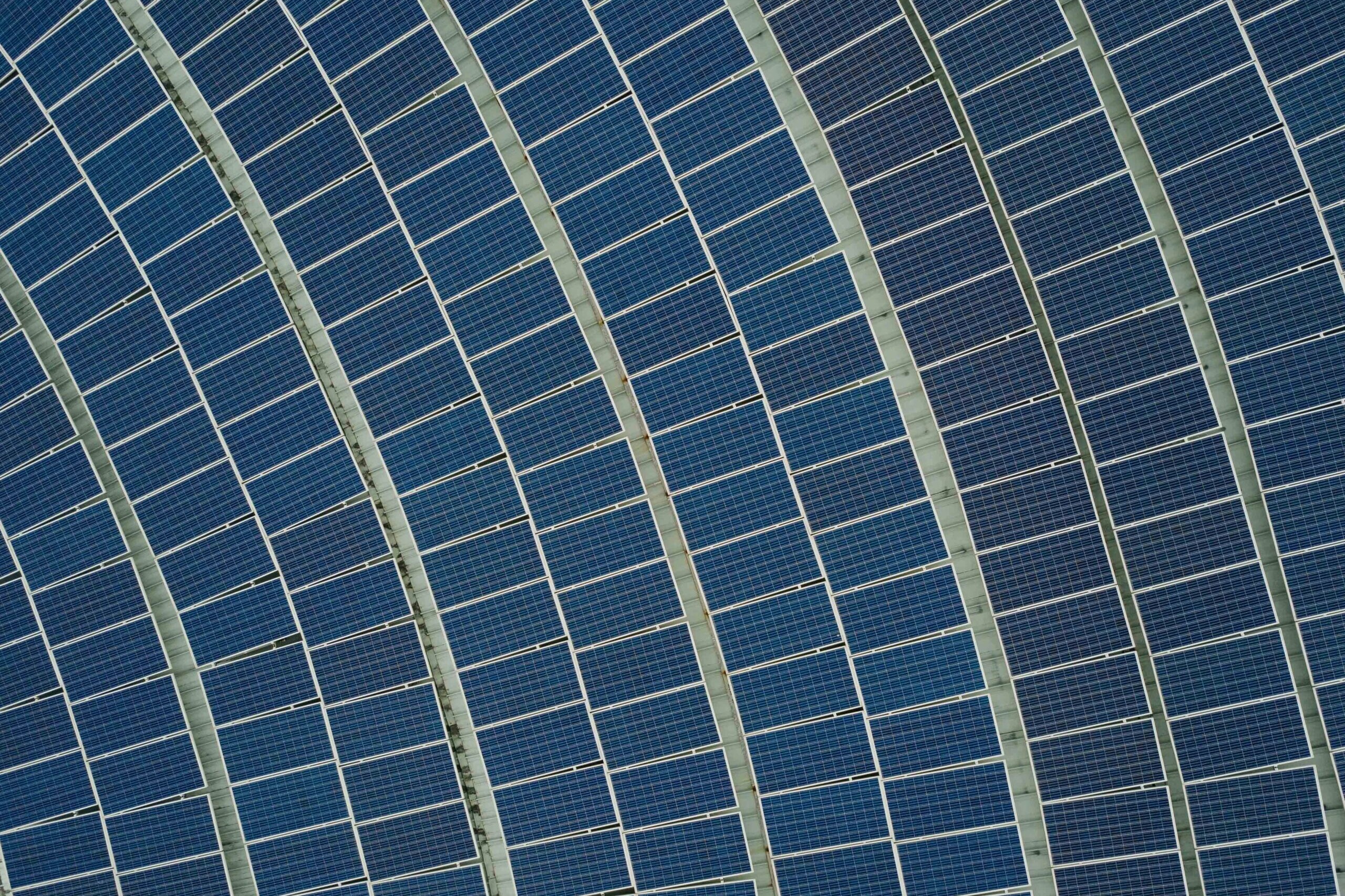
Utility-scale solar projects are transforming the energy landscape. These developments, often spread across hundreds or even thousands of acres, require precise planning, specialized labor, and advanced equipment to meet deadlines and deliver reliable performance. At the heart of this effort lies module installation at scale, the process of efficiently deploying thousands of photovoltaic (PV) modules while maintaining safety and quality standards.
This article explores how module installation at scale shapes the success of utility-scale solar projects, why efficiency and precision matter, and what strategies top EPC (engineering, procurement, and construction) contractors use to execute these complex installations.
Why Module Installation at Scale Matters
The installation of PV modules is one of the most labor-intensive phases of solar construction. Each module must be positioned, aligned, and secured to maximize energy output while withstanding decades of environmental stress. Unlike smaller commercial or residential projects, where hundreds or a few thousand panels are installed, utility-scale projects require tens or even hundreds of thousands.
This scale creates challenges in logistics, workforce management, and equipment use. Without well-coordinated processes, projects can suffer from delays, misalignment, and cost overruns. According to the U.S. Department of Energy (DOE), solar installations accounted for nearly half of all new electricity-generating capacity added in the U.S. in 2023, reflecting how important efficient deployment has become for meeting national energy goals.
Planning for Scale
Effective module installation begins long before the first panel is placed. Successful contractors develop detailed construction sequencing plans that consider site conditions, layout, and delivery schedules.
Key planning steps include:
- Staging areas: Establishing efficient zones for unloading, storing, and transporting modules minimizes bottlenecks.
- Crew assignments: Organizing labor into specialized teams ensures steady progress across large fields of arrays.
- Equipment scheduling: Cranes, lifts, and specialized tools must be allocated carefully to avoid downtime.
- Weather considerations: High winds or heavy rain can pause installation, so flexible scheduling is critical.
By treating installation as a logistical challenge, contractors reduce wasted time and maintain a smooth workflow across the project site.
Equipment and Technology for Efficiency
Module installation at scale depends heavily on advanced equipment. Manual lifting and placement of thousands of modules is impractical and unsafe. Instead, contractors rely on a mix of mechanized solutions to increase efficiency and reduce strain on workers.
Common equipment includes:
- Module handling machines: Designed to lift and place multiple panels at once, these machines speed up installation dramatically.
- Robotics and automation: Emerging technologies are allowing semi-automated placement of modules, reducing labor needs while maintaining precision.
- GPS and laser alignment tools: These ensure rows of modules are positioned correctly, avoiding energy losses from shading or misalignment.
Workforce and Specialized Labor
While equipment plays a critical role, module installation at scale still requires a skilled and disciplined workforce. Specialized labor ensures that modules are handled safely, secured correctly, and connected without defects.
Best practices in workforce deployment include:
- Training programs: Crews should be trained on proper lifting techniques, electrical safety, and the unique demands of utility-scale projects.
- Division of labor: Separating tasks such as placement, fastening, and wiring improves efficiency.
- Retention of experienced teams: Consistency across projects helps reduce mistakes and increase speed.
Ansgar Solar emphasizes the value of specialized solar labor, recognizing that skilled teams are the foundation of efficient, high-quality installations.
Quality Assurance in Large Installations
Speed alone cannot define success. Module installation at scale requires robust quality assurance (QA) to confirm that every module is installed to specification. Minor misalignments or improper fastening can add up to major performance issues across thousands of units.
Quality assurance practices include:
- Torque testing: Ensuring fasteners meet manufacturer specifications.
- Visual inspections: Crews must look for cracks, scratches, or other module defects before installation.
- Electrical testing: Proper wiring and grounding are critical for system reliability.
- Progressive inspections: QA should be built into daily workflows rather than left until the end of construction.
By integrating QA into the installation process, contractors can deliver projects that meet both performance and safety standards.
Safety in Large-Scale Installations
Utility-scale solar construction involves large crews, heavy equipment, and repetitive tasks, all of which create safety risks. OSHA emphasizes that fall protection, electrical safety, and equipment operation are key areas of focus for solar construction sites.
Core safety measures include:
- Fall prevention systems for crews working on elevated racking.
- Lockout/tagout procedures during electrical work.
- Ergonomic tools and practices to reduce worker fatigue.
- Regular safety training and audits to reinforce best practices.
When safety is embedded in every step, crews can work faster without compromising well-being.
Environmental and Community Considerations
Large-scale module installation also intersects with environmental and community responsibilities. Transporting and staging thousands of modules impacts local roads, while dust and noise from construction affect nearby residents. Contractors must balance speed with care.
Environmental measures include:
- Using dust suppression techniques on construction roads.
- Scheduling deliveries to avoid congestion.
- Restoring disturbed land after installation is complete.
These considerations not only meet regulatory requirements but also build goodwill with the surrounding community.
Case for Efficiency and Precision
The case for efficient module installation at scale is clear:
- Cost savings: Faster installations reduce labor and equipment costs.
- Schedule certainty: Meeting deadlines avoids penalties and accelerates project revenue.
- Long-term performance: Precise installation ensures the project delivers expected energy output.
- Worker safety: Mechanization and planning reduce accidents and injuries.
Contractors who master the balance of efficiency, accuracy, and safety are positioned as leaders in the utility-scale solar sector.
Conclusion
As utility-scale solar projects continue to expand, module installation at scale will remain one of the defining challenges of the industry. Successful execution requires a blend of planning, advanced equipment, specialized labor, and robust quality assurance. By focusing on efficiency and precision, EPC contractors can deliver projects that meet the growing demand for renewable energy while maintaining the highest standards of safety and reliability.
Ansgar Solar’s approach to module installation at scale reflects this balance. Through experienced crews, proven processes, and a commitment to quality, we help bring large solar projects from concept to completion with confidence.