

Best Practices for Solar Laydown Yards and Material Staging
Utility scale solar projects depend on more than engineering and installation crews. A well organized site can directly impact productivity, safety, quality control, and project timelines. One of the most overlooked contributors to successful execution is the planning and operation of laydown yards and material staging areas. Best Practices for Solar Laydown Yards and Material Staging can help contractors reduce downtime, improve workflow, and protect expensive equipment throughout construction.
Solar projects involve massive quantities of material arriving on site. Modules, trackers, torque tubes, piles, combiner boxes, cable reels, transformers, and mounting hardware all need to be stored, organized, protected, and delivered to crews efficiently. Without a clear staging strategy, projects can experience delays, damaged equipment, safety concerns, and unnecessary labor costs.
At Ansgar Solar, efficient field execution is a major focus on utility scale projects. Planning material movement before construction begins can create a smoother workflow from mobilization to commissioning.
Why Laydown Yards Matter on Utility Scale Solar Projects
Laydown yards serve as the operational backbone of a solar construction project. These designated areas allow crews to receive, inspect, organize, and distribute material throughout the site. Since utility scale projects often stretch across hundreds or thousands of acres, poor staging practices can create major inefficiencies.
Material handling delays can quickly affect installation schedules. Crews waiting for missing components or traveling excessive distances for equipment reduce productivity. Organized staging helps maintain a continuous workflow and minimizes interruptions.
The Occupational Safety and Health Administration emphasizes the importance of organized construction sites for reducing workplace hazards and improving operational safety. Proper storage and access routes are critical on large construction projects where multiple trades and heavy equipment operate simultaneously.
Planning Laydown Yard Locations
One of the first Best Practices for Solar Laydown Yards and Material Staging is selecting the right location. The ideal laydown area provides easy access to active work zones while minimizing traffic congestion and unnecessary transportation across the project.
Several factors should influence location selection:
- Proximity to installation areas
- Accessibility for delivery trucks
- Ground stability and drainage
- Space for future expansion
- Separation between pedestrian and equipment traffic
- Environmental compliance requirements
Projects often benefit from multiple smaller staging areas instead of one central yard. Distributed staging reduces transportation time and allows installation crews to access materials more efficiently as construction progresses.
Ground conditions also play a major role. Soft or poorly drained areas can become unusable after heavy rain, causing delays and damaging equipment. Gravel stabilization or temporary construction matting may be necessary in some locations.
Organizing Material for Efficient Workflow
Solar projects involve thousands of individual components. Without organization, crews can lose valuable time searching for parts or moving materials multiple times before installation.
One of the most effective Best Practices for Solar Laydown Yards and Material Staging is organizing material based on installation sequence. Components should arrive and be staged in the same order they will be installed in the field.
For example:
- Piles staged closest to pile driving crews
- Torque tubes and tracker components separated by row sequence
- Modules organized by installation zone
- Electrical materials grouped by system type
- Hardware and small components stored in labeled containers
Color coding and signage can improve visibility and reduce confusion, especially on large projects with multiple subcontractors and rotating crews.
Digital inventory tracking systems are becoming increasingly common on utility scale solar projects. These systems help monitor deliveries, identify shortages, and improve accountability for expensive equipment.
Protecting Solar Materials from Damage
Solar materials represent a major investment. Improper storage can lead to damaged components, delayed schedules, and warranty concerns.
Modules require careful handling and storage to prevent cracked glass, frame damage, or moisture intrusion. Tracker components and piles can also experience corrosion or physical damage if left exposed improperly.
The National Renewable Energy Laboratory has published guidance emphasizing proper handling and storage procedures for photovoltaic equipment to maintain long term system performance and reliability.
Some important protection strategies include:
- Keeping modules elevated off the ground
- Covering sensitive electrical equipment
- Preventing standing water around stored materials
- Using designated traffic routes to avoid accidental impacts
- Inspecting materials upon delivery
- Limiting unnecessary handling
Material inspections should occur immediately when shipments arrive. Identifying damage early helps avoid disputes with suppliers and keeps replacement orders moving quickly.
Managing Traffic Flow on Solar Sites
Large solar construction sites often involve constant movement of trucks, forklifts, telehandlers, cranes, and personnel. Poor traffic planning increases the risk of accidents and slows productivity.
One of the most important Best Practices for Solar Laydown Yards and Material Staging is developing a clear traffic management plan before construction ramps up.
Effective traffic management strategies include:
- Designated one way traffic patterns
- Clearly marked pedestrian walkways
- Separate delivery and equipment routes
- Speed limit enforcement
- Spotters for backing equipment
- Restricted access areas
Traffic congestion around staging areas can quickly create bottlenecks. Coordinating delivery schedules helps prevent overcrowding and reduces waiting times for trucks entering the site.
Daily coordination meetings can also help align material deliveries with installation progress. Communication between logistics teams, superintendents, and field crews is critical for maintaining efficiency.
Supporting Safety Through Better Staging
Safety remains one of the biggest priorities on utility scale solar projects. Poorly maintained staging areas can create trip hazards, equipment collisions, and lifting injuries.
Clean and organized laydown yards help reduce these risks significantly.
Important safety considerations include:
- Maintaining clear access paths
- Storing materials securely
- Limiting stack heights
- Providing proper lighting
- Marking hazard zones
- Inspecting lifting equipment regularly
Emergency access should also remain open throughout construction. Congested staging areas can delay emergency response during incidents.
Good housekeeping practices should become part of the daily workflow. Removing trash, unused pallets, packaging, and scrap material helps maintain safer working conditions across the project.
Adapting Staging Plans Throughout Construction
Solar projects evolve rapidly. Installation zones shift, deliveries change, and schedules adjust based on weather or project demands.
Successful contractors treat staging plans as flexible systems rather than fixed layouts.
As installation progresses, staging areas may need to move closer to active work fronts. Temporary storage zones may also be necessary during peak delivery periods.
Field leadership should regularly review:
- Material flow efficiency
- Congestion issues
- Delivery timing
- Equipment access
- Safety concerns
- Inventory organization
Continuous adjustment helps maintain productivity throughout the life of the project.
The Long Term Impact of Proper Material Staging
Best Practices for Solar Laydown Yards and Material Staging can influence nearly every phase of solar construction. Organized logistics improve productivity, reduce rework, support safety initiatives, and help maintain project schedules.
On utility scale projects, even small inefficiencies can compound into major delays over time. A few extra minutes spent locating materials across hundreds of workers and multiple months of construction can create significant labor losses.
Strong staging practices also help protect client investments. Proper handling and storage reduce equipment damage while supporting long term system reliability.
At Ansgar Solar, efficient project execution starts long before modules are installed. Careful planning around material staging, logistics, and field coordination helps support smoother workflows across large scale solar developments.
As utility scale solar projects continue growing in size and complexity, contractors that prioritize organized laydown yards and efficient material staging will be better positioned to deliver projects safely, efficiently, and on schedule.


Electrical Safety During Solar Commissioning
Commissioning is the moment a solar project transforms from a construction site into a functioning power system. Modules begin converting sunlight into electricity, inverters synchronize with the grid, and the system starts delivering the energy it was designed to produce. It is also one of the highest-risk phases of the entire project from an electrical safety standpoint. As systems energize for the first time, field crews are working in close proximity to live conductors carrying voltages and currents that can be lethal, and the conditions that make commissioning electrically dangerous are fundamentally different from those present during any other phase of construction.
Electrical safety during solar commissioning requires a distinct approach from general construction safety. The hazards are not the same as those on a building site, and the controls that protect workers during module installation or pile driving do not address the specific risks that arise when DC circuits come to life across a large solar array. Understanding those risks, the regulatory framework that governs them, and the field practices that control them is essential for anyone responsible for worker safety on a solar project during commissioning.
Why Solar Commissioning Creates Unique Electrical Hazards
Most construction sites become electrically hazardous only when temporary power is brought in or when permanent electrical systems are being tested. Solar commissioning is different in a fundamental way: the DC generation system becomes live the moment sunlight hits the modules, regardless of whether any switching or activation has occurred. You cannot turn off the sun, and you cannot make a solar panel stop generating electricity by opening a breaker or disconnecting a switch upstream.
This characteristic of photovoltaic systems creates a hazard that does not exist on other construction sites. Even when inverters are locked out, even when combiner boxes are open, and even when string cables appear to be disconnected, any intact string of modules exposed to sunlight is generating DC voltage. On a utility-scale project, string voltages typically range from 600 to 1500 volts DC depending on the system design. That voltage is present continuously during daylight hours, at every string termination point, throughout the collection system.
The DC arc flash hazard in solar systems deserves special attention. AC arc flash is well understood in the electrical industry, but DC arc flash is in many ways more dangerous. DC arcs do not have the natural zero-crossing that causes AC arcs to self-extinguish. Once a DC arc is established, it is self-sustaining and will continue until the circuit is interrupted or the electrodes are physically separated far enough to extinguish the arc. On a high-voltage DC solar system, this means an arc flash event can persist long enough to cause severe burns, ignite surrounding materials, and cause fatalities.
The Regulatory Framework Governing Solar Commissioning Safety
The Occupational Safety and Health Administration (OSHA) governs electrical safety for construction workers under 29 CFR 1926 Subpart K, which covers electrical safety in construction, and 29 CFR 1910.333 and 1910.269 for general industry electrical work standards that apply to some commissioning activities. OSHA's lockout and tagout (LOTO) standard at 29 CFR 1910.147 applies to the control of hazardous energy during servicing and maintenance activities, and its application to solar systems requires careful engineering because the module strings cannot be fully de-energized through switching alone during daylight hours.
OSHA requires employers to develop and implement an energy control program that covers all sources of hazardous energy in the workplace. For solar commissioning, this program must address the unique characteristics of PV systems, including the inability to de-energize string circuits during daylight and the presence of stored energy in inverter capacitors that persists after the inverter is powered down. More information on OSHA's electrical safety and energy control requirements applicable to solar construction is available at osha.gov.
The National Fire Protection Association (NFPA) 70E, the standard for electrical safety in the workplace, provides the framework for arc flash hazard analysis and the selection of arc flash personal protective equipment (PPE) for electrical workers. NFPA 70E requires that an arc flash hazard analysis be performed for electrical equipment that workers may interact with while energized, and that workers be equipped with PPE rated for the incident energy at each work location. For solar commissioning, the arc flash analysis must cover DC combiner boxes, inverter DC input terminals, and other collection system connection points that workers may access while strings are energized. More information on NFPA 70E and electrical safety standards is available at nfpa.org.
Pre-Commissioning Electrical Safety Planning
The electrical safety controls for solar commissioning must be established before the first string is connected, not after the system begins energizing. This requires a commissioning electrical safety plan that is specific to the project and that addresses the sequence in which systems will be energized, the hazards present at each step, and the controls that will be used to protect workers throughout the process.
A complete commissioning electrical safety plan covers the following elements.
Hazard identification and arc flash analysis. The arc flash study for the project must be completed and reviewed before commissioning begins. This study identifies the incident energy at each piece of electrical equipment, establishes the arc flash boundary for each location, and determines the PPE category required for work at each point. Workers must have access to this information before they approach any energized equipment.
Energization sequence. Commissioning proceeds in a defined sequence that controls which parts of the system are energized at any given time and ensures that workers are not exposed to unexpected energization of equipment they are working on. The energization sequence must be documented, communicated to all field personnel, and followed without deviation.
Communication protocol. On a large utility-scale project, commissioning activities may be occurring across hundreds of acres simultaneously. A clear communication protocol that allows all field personnel to know the current energization status of any part of the system is essential. This typically includes radio communication between commissioning leads, clear labeling of energized circuits and equipment, and a centralized tracking system for which strings, combiners, and inverters are live at any given time.
Qualified electrical worker requirements. Work on or near energized DC circuits during solar commissioning must be performed by qualified electrical workers who have been trained on the specific hazards of PV systems, the arc flash risks present, and the LOTO procedures applicable to the project. OSHA defines a qualified electrical worker as one who has been trained to avoid the electrical hazards of working on or near exposed energized parts. Assigning unqualified workers to tasks that bring them near energized DC circuits is a serious OSHA violation and a significant safety risk.
Our post on Solar Safety Protocols: Field Training and Onsite Practices covers the broader framework of solar construction safety training and how field crews are prepared for the hazards they will encounter on a utility-scale project, including the electrical hazards that become acute during commissioning.
Personal Protective Equipment for Solar Commissioning
The PPE required for electrical work during solar commissioning is substantially different from the PPE used during mechanical installation. Standard construction PPE, including hard hats, safety glasses, and work gloves, does not protect against arc flash or electrical shock. Workers performing tasks near energized DC circuits during commissioning must wear PPE rated for the electrical hazards they face.
Arc flash PPE is selected based on the incident energy calculated in the arc flash study for each work location. NFPA 70E defines PPE categories based on incident energy levels, ranging from Category 1 (minimum arc rating of 4 cal/cm2) for lower-energy work locations to Category 4 (minimum arc rating of 40 cal/cm2) for the highest-energy locations. Arc-rated clothing, face shields, and in some cases arc flash suits are required depending on the category.
Insulated tools and gloves are required for any work on or near energized DC conductors. Rubber insulating gloves rated for the voltage present must be worn, with leather protectors over them for mechanical protection. Insulated hand tools prevent accidental contact between a conductive tool and an energized conductor from creating a shock or arc flash event.
Voltage-rated personal protective equipment for work at the voltages present in utility-scale solar systems (600V to 1500V DC) must be rated and tested to the applicable ASTM standards. Using PPE that is not rated for the system voltage provides a false sense of protection and does not prevent shock or arc flash injury.
Workers must be trained on how to inspect, don, and use their electrical PPE correctly before they are assigned to commissioning tasks. PPE that is worn incorrectly or that has been damaged provides inadequate protection.
Lockout and Tagout Procedures for PV Systems
LOTO procedures for solar PV systems require engineering that accounts for the inability to fully de-energize string circuits during daylight. A standard LOTO approach that works for conventional electrical equipment, opening a breaker and verifying zero energy, does not eliminate the DC voltage present in module strings exposed to sunlight.
Effective LOTO for solar commissioning typically involves a combination of the following controls.
String isolation. Individual strings can be isolated by opening the string fuses or disconnects at the combiner box and verifying that the string terminals at the combiner are at zero voltage using a voltage-rated meter. This does not de-energize the string cable between the modules and the combiner, but it isolates the combiner bus from the string voltage and reduces the exposure at the combiner connection points.
Opaque covering of modules. For tasks that require access to string conductors between the modules and the combiner, covering the affected modules with opaque material reduces voltage generation by blocking sunlight. This is the most direct way to reduce string voltage for maintenance or commissioning tasks that cannot be deferred to nighttime, but it requires the covering to be complete and secure, as partial shading does not fully eliminate voltage.
Nighttime work scheduling. Tasks that require access to energized string conductors are most safely performed at night when modules are not generating. Scheduling high-risk electrical tasks for nighttime windows eliminates the source of DC voltage rather than attempting to control it through other means.
Inverter capacitor discharge. Inverters contain capacitors that store energy and retain hazardous voltage after the inverter is powered down. LOTO procedures for inverter work must include a wait period after power-down to allow capacitor discharge, verified by voltage measurement at the DC input terminals before any work inside the inverter cabinet begins.
Our post on Solar Tracker Commissioning: From Assembly to Signoff covers the commissioning sequence for tracker systems and the coordination between mechanical and electrical commissioning activities, which sets the context for understanding how electrical safety controls integrate into the broader commissioning workflow.
Commissioning Sequence and Energization Controls
The sequence in which a utility-scale solar system is energized during commissioning has direct implications for worker safety. A poorly planned energization sequence can result in workers being exposed to energized circuits they did not expect, or in portions of the system energizing while workers are performing tasks that assumed those circuits were de-energized.
A safe commissioning sequence for a utility-scale solar project typically follows a zone-by-zone approach, energizing one section of the project at a time and completing all electrical testing and verification in that zone before moving to the next. Clear physical and visual boundaries between energized and non-energized zones, along with barrier tape, signage, and communication protocols, prevent workers in non-energized zones from inadvertently entering energized areas.
The commissioning lead must maintain a real-time record of which zones, strings, combiners, and inverters are energized at any point during the commissioning process. This record must be accessible to all field personnel and must be updated immediately when the energization status of any equipment changes. On a large project where commissioning may proceed across multiple zones simultaneously, this coordination function is as important as any technical commissioning task.
Our post on Commissioning Documentation: Solar Project Delivery covers the documentation requirements for solar project commissioning, including the records that must be maintained throughout the energization process and the final documentation package that supports handover to the owner.
Incident Response Planning for Electrical Events
Despite robust planning and rigorous controls, electrical incidents can occur during solar commissioning. An incident response plan that is specific to electrical hazards must be in place before commissioning begins and must be communicated to all field personnel.
The incident response plan covers who is authorized to respond to an electrical incident, how to safely approach a scene where a worker may be in contact with an energized conductor, the location of emergency shutoff controls for the system, and the emergency medical response protocol including communication with emergency services.
A worker in contact with an energized conductor cannot be touched by a rescuer without insulation protection. The first action of a responder must be to interrupt the circuit if it can be done safely and quickly, or to use insulated rescue tools to separate the worker from the energized conductor. Direct physical contact with a worker who is still in contact with an energized circuit can result in the rescuer also becoming a victim.
Emergency services in rural areas where utility-scale solar projects are typically located may have limited experience with electrical rescue. Pre-commissioning communication with local fire and emergency services, informing them of the project's location, the nature of the electrical hazards, and the access points to the site, can reduce emergency response time and improve the quality of the response.
Our post on Quality Assurance on Every Solar Project Stage covers how quality and safety controls are integrated across every phase of a solar project, including the commissioning phase where electrical hazards are at their peak.
What Good Electrical Safety Practice Looks Like During Solar Commissioning
Electrical safety during solar commissioning is not a checklist that gets completed once at the start of the phase. It is an active, ongoing management function that requires daily communication, real-time tracking of energization status, continuous verification of PPE compliance, and consistent enforcement of LOTO procedures throughout the commissioning period.
Projects that manage commissioning safety well share several characteristics: a documented electrical safety plan that was developed before commissioning began, a designated commissioning electrical safety lead with the authority to stop work when unsafe conditions are observed, a workforce that has been trained on PV-specific electrical hazards before they are assigned to commissioning tasks, and a communication system that keeps every field worker informed of the current energization status of the system they are working on.
Choosing a solar construction partner who treats electrical safety during solar commissioning as a project-critical function, not an afterthought, is one of the most important decisions an owner or developer can make. The cost of getting commissioning safety wrong is measured in lives, not just project delays.
Our post on What to Look for in a Solar Construction Partner outlines the safety culture, systems, and track record that owners and developers should evaluate when selecting a construction partner for utility-scale and commercial solar projects.

Grading and Civil Work for Utility-Scale Solar: Setting the Stage
When most people think about building a utility-scale solar project, they picture rows of panels stretching across a field, tracker systems rotating to follow the sun, and pile-driving crews working across hundreds of acres. What they picture less often is the work that has to happen before any of that begins. Grading and civil work for utility-scale solar is the foundation that determines whether every phase that follows runs smoothly or fights the site from start to finish.
Civil work is not glamorous. It does not produce a visible output that impresses stakeholders or generates marketing photos. But it is the scope where the most consequential decisions about long-term site performance, drainage integrity, and construction efficiency are made. Getting it right early protects the entire project. Getting it wrong creates problems that compound from the first rain through the final commissioning walk.
What Grading and Civil Work Actually Covers
On a utility-scale solar project, civil work encompasses every activity that prepares the raw land for construction. This includes clearing and grubbing vegetation, rough grading to establish the site's working elevation and slope profile, installation of perimeter and internal stormwater management systems, construction of access roads and laydown areas, fine grading in preparation for pile driving and tracker installation, and erosion and sediment control measures required throughout the construction period.
Each of these activities is sequenced to build on the one before it. Clearing cannot begin until permits are in hand and any required habitat surveys are complete. Rough grading cannot finalize until the civil engineer's grading plan has been coordinated with the electrical collection system layout and the racking design. Stormwater infrastructure must be sized and installed in the right sequence to manage runoff as the site is disturbed, not just after construction is complete.
For project teams, understanding this sequencing is critical to building a realistic construction schedule. Civil work is not a single event that happens before the "real" construction starts. It is an ongoing activity that runs in parallel with mechanical and electrical installation and must be coordinated with those scopes throughout the project.
Our post on Construction Phasing in Utility-Scale Solar: Prep to Energization explains how the full construction sequence is structured from initial site prep through energization, and why civil work milestones are integrated into every phase of that timeline.
Why Site Topography Drives Every Civil Decision
No two solar sites grade the same way. The topography of the site, its slopes, drainage patterns, and soil characteristics, determines how much cut and fill work is required, where stormwater infrastructure needs to go, how access roads must be routed, and what grading tolerances the racking system can accommodate.
Tracker systems used in utility-scale solar can accommodate a certain degree of slope in the north-south direction, typically up to around 10 to 20 percent depending on the tracker manufacturer's specifications. East-west cross-slopes, however, are more constrained, because they affect the alignment and interoperability of tracker rows. Sites with significant cross-slope terrain often require more extensive grading to establish working pads within the tracker manufacturer's tolerances, which increases civil scope and cost relative to flatter sites.
Soil conditions matter just as much as slope. Sites with expansive clays, high organic content, or poor bearing capacity may require subgrade stabilization before roads and working areas can support the heavy equipment used during construction. Sandy or loose soils present erosion challenges that require more aggressive sediment control measures. Rock outcrops can complicate pile installation and may require alternative foundation solutions in affected areas.
Pre-construction site assessments that include geotechnical investigation and detailed topographic survey are the foundation of good civil planning. Our post on Pre-Construction Site Assessments for Utility Scale Solar covers what those assessments include and why the data they generate drives decisions across every construction scope.
Stormwater Management and Erosion Control
Stormwater management is one of the most regulatory-intensive aspects of grading and civil work for utility-scale solar. Large solar projects disturb significant acreage of land during construction, which triggers permit requirements under the EPA's Construction General Permit (CGP) for stormwater discharges from construction activities. The CGP requires operators to develop and implement a Stormwater Pollution Prevention Plan (SWPPP) that identifies all potential sources of stormwater pollution, documents the best management practices (BMPs) that will be used to control them, and establishes an inspection and maintenance schedule for those BMPs throughout construction. More information on CGP requirements is available at epa.gov.
On a working solar site, sediment control BMPs typically include silt fencing along the site perimeter and at drainage points, inlet protection for any storm drains or culverts, stabilized construction entrances to prevent tracking of mud onto public roads, and sediment basins or traps where drainage from large disturbed areas is collected before discharge. These measures must be installed before grading begins in each area and must be maintained, repaired, and upgraded throughout construction as conditions change.
Long-term stormwater management after construction is complete is equally important. The grading plan must direct post-construction runoff away from foundations, inverter pads, and electrical infrastructure, and the permanent drainage system must be sized to handle the designed storm event without causing erosion or flooding within or downstream of the site. Vegetative cover, whether native grasses, pollinator plantings, or other approved species, plays a critical role in stabilizing the site and reducing long-term erosion after construction disturbance is complete.
Access Roads and Laydown Areas
Access roads on a utility-scale solar site serve two distinct purposes that sometimes create competing design requirements. During construction, they need to support heavy equipment including cranes, pile drivers, module delivery flatbeds, and concrete trucks. After construction, they need to provide reliable year-round access for operations and maintenance personnel and equipment without excessive maintenance cost.
Construction-phase roads are typically aggregate-surfaced and are designed to the minimum standard that will keep equipment moving during wet conditions. The routing of internal access roads must be coordinated with the electrical collection system layout, the racking row layout, and the location of inverter and combiner box pads, since all of these influence where roads can and cannot go.
Laydown areas for module storage, racking components, and equipment staging require relatively flat, stable ground close enough to the installation area to limit material handling distance without interfering with active installation work. Planning these areas as part of the civil scope, rather than treating them as an afterthought, reduces material handling time and keeps crews productive throughout the project.
Our post on Logistics Planning for Remote Solar: Keeping on Track covers how access, material staging, and delivery sequencing are planned on large and remote solar sites, which begins with the civil work that makes those logistics possible in the first place.
How Civil Work Sets Up Pile Driving and Mechanical Installation
The handoff between civil work and mechanical installation is one of the most schedule-sensitive transitions on a solar project. Pile driving crews need a graded, stable working surface to operate on. Fine grading tolerances that affect tracker row alignment must be achieved before piles are driven, because correcting grading issues after piles are in the ground is significantly more difficult and expensive.
Coordination between the civil crew and the pile driving crew typically involves a rolling zone approach, where civil completes and releases sections of the site in sequence ahead of pile installation. This keeps both crews active and prevents either scope from sitting idle while waiting for the other.
Our post on Pile Driving to Withstand Environmental Conditions covers how pile installation is engineered to perform across variable soil and environmental conditions, and why the grading and soil preparation work that precedes pile driving directly affects installation efficiency and long-term foundation performance.
The investment in thorough, well-sequenced grading and civil work for utility-scale solar pays returns across every phase that follows. Sites that are properly graded drain correctly, support equipment reliably, and give mechanical and electrical crews a working environment where productivity goals are achievable. Sites where civil work is rushed or under-planned create problems that every subsequent crew has to work around for the rest of the project.

Utility-Scale Solar Laws in North Carolina (2026)
North Carolina has cemented its place as one of the top utility-scale solar markets in the United States, and 2026 brings an important set of legal and regulatory requirements that every project owner, developer, and installation partner needs to understand. From decommissioning mandates and interconnection rules to the state's clean energy portfolio standard, the regulatory landscape has grown more structured and more consequential than ever.
At Ansgar Solar, we work alongside developers and EPC contractors on large-scale solar farms across the Southeast. This guide breaks down the key laws governing utility-scale solar in North Carolina in 2026 so you can build with confidence and stay compliant from groundbreaking through end-of-life.
What Counts as a "Utility-Scale" Solar Project in NC?
Before diving into the regulations, it is worth defining the threshold. Under North Carolina law, a utility-scale solar project is one capable of generating two (2) or more megawatts alternating current (MW AC) that is directly connected to the local or regional electrical grid with the ability to deliver power to the grid. Projects below this threshold, or those primarily intended for the customer's own on-site consumption, are generally subject to a different set of rules.
If your project meets or exceeds 2 MW AC and delivers power to the grid, the regulations below apply to you.
Key Law #1: Session Law 2023-58 and the DEQ Decommissioning Program
The most significant piece of legislation shaping utility-scale solar operations in North Carolina right now is Session Law 2023-58, which established a statewide decommissioning and financial assurance program administered by the North Carolina Department of Environmental Quality (DEQ).
What It Requires
The regulations require the owner of a utility-scale solar project capable of generating two or more MW AC that is directly connected to the electrical grid to properly decommission the project upon cessation of operations and restore the property, register with DEQ and pay a fee, and for new or rebuilt/expanded projects, submit a decommissioning plan and establish financial assurance.
The registration deadline for existing projects was November 1, 2025, and any new project must register with DEQ at least 90 days before construction begins.
Decommissioning Plans
The owner of a utility-scale solar project must submit a decommissioning plan for DEQ approval, prepared, signed, and sealed by a professional engineer licensed in the State. At a minimum, decommissioning includes disconnecting the solar project from the power grid. The plan must also detail material disposition, including recycling, reuse, or proper disposal of all components.
Decommissioning must be completed no later than one year following cessation of operations, with the owner required to notify DEQ within 30 days of cessation.
Financial Assurance
Owners must establish and maintain financial assurance in an amount approved by DEQ. The rules, codified at 15A NCAC 01V (effective April 1, 2025), set out registration fees, the required content of decommissioning plans, and detailed financial assurance mechanism requirements.
Local Government Overlay
Local governments and landowners may establish requirements that are more stringent than those set forth in the statute for decommissioning and financial assurance for projects in their control. This means project owners developing sites in counties that have adopted their own ordinances need to review both state and local requirements carefully.
Key Law #2: The Landfill Disposal Ban on Solar Modules (Effective December 1, 2026)
One of the most operationally meaningful deadlines of 2026 takes effect at the end of the year. As of December 1, 2026, North Carolina law officially prohibits the disposal of solar (photovoltaic) modules in unlined landfills, stemming from Session Law 2023-137 (H600).
Section 19.(a) of Session Law 2023-137 revises G.S. 130A-309.10 to prohibit the disposal of photovoltaic modules, or components thereof, in a sanitary landfill for the disposal of construction and demolition debris waste that is unlined, or in any other landfill that is unlined, in North Carolina.
In practice, this means decommissioning plans submitted to DEQ must include a credible recycling or certified disposal pathway for solar panels. Project owners should verify that their installation contractor and eventual decommissioning partner can document panel certification (such as UL 1703 or UL 61730) and provide a take-back or certified recycling program.
Key Law #3: Certificate of Public Convenience and Necessity (CPCN)
Any utility-scale solar project generating more than 2 MW that will sell power to the grid must obtain a Certificate of Public Convenience and Necessity (CPCN) from the North Carolina Utilities Commission (NCUC) before construction begins.
Generating facilities under 2 MW that are fueled by a renewable energy resource and are primarily for self-generation are exempt from the CPCN requirement and must instead submit a Report of Proposed Construction to the NCUC and provide a copy to the interconnecting utility prior to construction.
For projects above 2 MW connected to the transmission grid, FERC jurisdiction governs the interconnection process rather than NCUC's distribution interconnection standards.
Key Law #4: Interconnection Standards and FERC Oversight
Utility-scale solar projects selling power at wholesale are regulated by the Federal Energy Regulatory Commission (FERC). The FERC provides market-based rate authorization, which allows utility-scale solar developers in North Carolina to sell electricity at competitive market prices without having to justify their rates on a cost basis.
For projects connecting at the distribution level (under 2 MW), the NCUC interconnection standards apply, which follow a three-tiered review process modeled on FERC's small generator interconnection procedures. The FERC fee structure applies to the interconnection of systems over 2 MW. Additionally, systems in the Study Process must pay a deposit of $20,000 plus $1 per kW-AC, not to exceed $100,000.
PURPA and Avoided Cost
Under PURPA, utilities must pay for power purchased from qualifying facilities at their "avoided cost," meaning what it would have cost them to generate that electricity themselves or purchase it elsewhere. This federal law has been crucial for North Carolina's solar industry because it guarantees independent solar developers a market for their electricity.
Key Law #5: The Clean Energy and Energy Efficiency Portfolio Standard (CEPS)
North Carolina was the first state in the Southeast to mandate that utilities generate power from renewable sources. The original Renewable Energy and Energy Efficiency Portfolio Standard (REPS), established in 2007 under Session Law 2007-397, was expanded by the General Assembly in October 2023 through Session Law 2023-138 into what is now the Clean Energy and Energy Efficiency Portfolio Standard (CEPS).
Under the laws, investor-owned utilities in North Carolina are required to meet up to 12.5% of their energy needs through clean energy resources or energy efficiency measures. Rural electric cooperatives and municipal electric suppliers are subject to a 10% CEPS requirement.
Clean energy resources include nuclear, solar electric, solar thermal, wind, hydropower, geothermal, ocean current or wave energy, biomass resources, waste heat derived from a renewable energy resource, and hydrogen derived from a renewable energy resource.
This standard is a primary demand driver for utility-scale solar procurement in North Carolina, and developers who can deliver reliable, large-scale power output benefit directly from utilities' need to meet CEPS compliance targets.
Key Law #6: House Bill 951 and the Carbon Reduction Goals
Passed in 2021 and continuing to shape the planning horizon for all major solar projects, House Bill 951 set a goal of 70% carbon reduction by 2030 and carbon neutrality by 2050 for North Carolina's electricity sector. House Bill 951: Energy Solutions for NC established a goal of 70% carbon reduction by 2030 and carbon neutrality by 2050 for the electricity sector.
These targets drive utility Integrated Resource Plans (IRPs) and ongoing NCUC dockets, making the pipeline for utility-scale solar projects robust through the end of the decade and well beyond.
Federal Incentives Still in Play for Utility-Scale Projects
While the 30% residential Investment Tax Credit (Section 25D) expired at the end of 2025, the commercial ITC under Section 48E remains available for utility-scale solar. The Section 48E credit applies to commercial and business installations with a July 4, 2026 construction start deadline and a December 31, 2027 placed-in-service deadline.
For projects that can clear the construction commencement deadline, this credit remains one of the most powerful tools for improving project economics. Developers and their tax counsel should confirm that their construction timeline and financial documentation satisfy IRS "beginning of construction" requirements.
What This Means for Your Next Project
Whether you are a project developer, a utility, or an EPC contractor managing a large solar installation in North Carolina, the regulatory environment in 2026 rewards thorough planning and the right installation partner. Here is what should be on your checklist:
Before Construction
- Obtain a CPCN from the NCUC if generating more than 2 MW AC
- Register with NC DEQ at least 90 days before breaking ground
- Engage a licensed PE to prepare your decommissioning plan for DEQ approval
- Establish and document your financial assurance mechanism
- Review county-level ordinances for any more stringent local decommissioning rules
- Confirm your interconnection pathway and fee deposit with the serving utility
During Construction
- Maintain OSHA compliance on all work sites
- Confirm that all panel components are UL-certified for purposes of future disposal documentation
- Keep DEQ registration and decommissioning documentation current
At End of Life
- Notify DEQ within 30 days of cessation of operations
- Complete decommissioning and site restoration within one year
- Ensure all photovoltaic modules are routed through a certified recycling or take-back program, not landfills, in compliance with the December 1, 2026 disposal ban
Why Your Installation Partner Matters
North Carolina's evolving regulatory requirements make the quality of your mechanical installation more important than ever. A properly installed solar array, from pile driving through tracker system installation and module installation, is the foundation of a long-lived, high-performing asset. Poor installation practices drive up maintenance costs, shorten asset life, and complicate the decommissioning process years down the road.
At Ansgar Solar, we specialize in the full range of mechanical installation services for utility-scale solar projects. Our teams are OSHA-certified, our front-line leadership holds active safety credentials, and our quality assurance process includes detailed inspections at every stage. We work across a wide range of geographies and site conditions, giving developers the flexible, experienced workforce they need to execute on schedule.
Learn more about our services or contact our team to discuss how Ansgar Solar can support your next North Carolina project.
Stay Current on North Carolina Solar Law
Regulations continue to evolve. The NCUC regularly issues orders on interconnection standards and net metering compensation, the General Assembly continues to debate property tax treatment and additional clean energy legislation, and DEQ's USSP Decommissioning Program publishes updates as registration and enforcement ramp up. Bookmark the NC DEQ Utility-Scale Solar Decommissioning Program page and the NCUC CEPS page for authoritative, up-to-date information.
For construction and installation expertise you can rely on throughout the project lifecycle, reach out to Ansgar Solar today.
This blog post is for informational purposes only and does not constitute legal advice. Consult qualified legal counsel and the relevant regulatory agencies for guidance specific to your project.
Large-Scale Solar Farms: Building the Foundation for Power
Large-scale solar farms are transforming how utilities, developers, and infrastructure partners deliver clean electricity at scale. These projects, often referred to as utility-scale solar installations, generate power that feeds directly into the grid rather than serving individual buildings. As energy demand grows and organizations pursue sustainability goals, large-scale solar farms have become a central component of modern energy infrastructure.
For companies like Ansgar Solar, large-scale solar farms represent an opportunity to deliver precision installation, efficient construction, and long-term performance for utility-scale projects. From site preparation to tracker alignment and module installation, execution quality directly impacts energy production and operational reliability.
What Are Large-Scale Solar Farms
Large-scale solar farms are ground-mounted photovoltaic systems designed to generate electricity in megawatt-scale capacities. These projects typically connect to transmission infrastructure and operate similarly to traditional power plants.
Government research defines large-scale solar as installations greater than 1 megawatt, with siting decisions focused on location, layout, and design to support grid-scale generation.
Unlike rooftop solar, large-scale solar farms are engineered for:
- Utility grid interconnection
- High energy output
- Scalable expansion
- Long-term operational efficiency
- Centralized monitoring and maintenance
These projects require careful coordination across civil work, electrical infrastructure, structural installation, and commissioning.
Why Large-Scale Solar Farms Are Expanding Rapidly
Large-scale solar farms continue to grow due to declining costs, improved technology, and increasing demand for reliable renewable power. Utility-scale photovoltaic systems benefit from economies of scale and standardized installation methods.
The United States has enormous solar development potential, including tens of terawatts across agricultural land, brownfields, and other suitable locations.
This growth is being driven by several factors:
Increasing Energy Demand
Data centers, manufacturing facilities, and electrification initiatives are pushing utilities to expand generation capacity. Large-scale solar farms provide a fast-to-deploy solution.
Cost Competitiveness
Utility-scale solar continues to be one of the lowest-cost new energy sources, especially when installed at scale.
Sustainability Goals
Corporations and utilities are pursuing renewable energy targets that require gigawatt-scale deployment.
Grid Reliability
Large-scale solar farms, especially when paired with storage, support grid resilience and peak demand management.
Land Requirements for Large-Scale Solar Farms
One of the most important considerations in large-scale solar farms is land use. Utility-scale photovoltaic plants typically require significant acreage to generate high capacity output.
This means:
- 50 MW solar farm may require 250 to 350 acres
- 100 MW solar farm may require 500 to 700 acres
- 500 MW solar farm may require thousands of acres
Proper land planning is critical to maximize production while minimizing environmental impact.
Key land considerations include:
- Terrain grading requirements
- Soil stability
- Drainage design
- Access roads
- Tracker spacing
- Maintenance corridors
- Environmental setbacks
Ansgar Solar focuses on installation precision that aligns with engineering layouts to maintain performance and long-term maintainability.
Core Components of Large-Scale Solar Farms
Large-scale solar farms consist of several integrated systems working together to generate electricity.
Solar Modules
Photovoltaic panels capture sunlight and convert it into DC electricity. Module positioning accuracy directly impacts output.
Tracker Systems
Single-axis trackers rotate panels to follow the sun. These systems increase energy production and require precise installation.
Pile Foundations
Driven piles anchor tracker systems to the ground. Installation depth and alignment affect structural stability.
Combiner Boxes
Combiner boxes aggregate DC power before it moves to inverters.
Inverters
Inverters convert DC electricity into AC power for grid use.
Substations
Substations step voltage up for transmission-level delivery.
Monitoring Systems
SCADA and monitoring platforms track performance and detect issues.
Each component must be installed accurately to maximize system performance.
Construction Challenges for Large-Scale Solar Farms
Large-scale solar farms involve unique construction challenges due to their size and coordination requirements.
Site Logistics
Projects may span hundreds or thousands of acres. Material handling and crew coordination are critical.
Terrain Variability
Uneven land requires grading, pile adjustments, and layout modifications.
Schedule Pressure
Utility-scale solar farms often have aggressive timelines tied to power purchase agreements.
Weather Exposure
Projects are fully exposed to environmental conditions.
Workforce Coordination
Large crews must work efficiently across multiple installation zones.
Ansgar Solar addresses these challenges with structured installation sequencing, experienced crews, and consistent quality control.
Installation Accuracy Matters in Large-Scale Solar Farms
Performance in large-scale solar farms depends heavily on installation accuracy. Small alignment issues can impact energy production across thousands of modules.
Critical installation factors include:
- Tracker alignment tolerance
- Module placement accuracy
- Row spacing consistency
- Elevation uniformity
- Pile verticality
- Torque verification
- Mechanical connection quality
Ansgar Solar emphasizes precision installation to maximize long-term output.
Benefits of Large-Scale Solar Farms
Large-scale solar farms offer advantages for utilities, developers, and communities.
High Energy Production
Utility-scale projects generate significant electricity to serve regional demand.
Lower Energy Costs
Economies of scale reduce cost per megawatt.
Reduced Emissions
Solar replaces fossil fuel generation.
Job Creation
Construction and maintenance create long-term employment.
Scalable Infrastructure
Sites can expand with additional capacity.
Grid Stability
Large-scale solar farms support diversified energy supply.
These benefits continue driving investment in utility-scale projects.
Environmental Considerations for Large-Scale Solar Farms
Best practices include:
- Native vegetation planting
- Erosion control measures
- Wildlife corridors
- Stormwater management
- Reduced grading where possible
- Pollinator-friendly landscaping
These approaches support sustainable long-term operation.
The Role of Ansgar Solar in Large-Scale Solar Farms
Ansgar Solar supports large-scale solar farms through installation expertise, disciplined construction processes, and quality-driven execution.
Key capabilities include:
Pile Driving
Accurate pile installation for structural integrity.
Tracker Installation
Precision alignment for optimal energy production.
Module Installation
Consistent placement across large project footprints.
Mechanical Assembly
Efficient crew coordination across installation zones.
Quality Control
Inspection processes that maintain performance standards.
Project Scheduling
Structured sequencing to meet aggressive timelines.
By focusing on installation accuracy and efficient execution, Ansgar Solar helps large-scale solar farms reach full production faster.
Future Outlook for Large-Scale Solar Farms
Large-scale solar farms will continue expanding as energy demand increases. Utility-scale projects are expected to dominate new renewable capacity additions.
Trends shaping large-scale solar farms include:
- Integrated battery storage
- Higher efficiency modules
- Larger tracker rows
- Digital monitoring systems
- Faster installation methods
- Hybrid renewable projects
These advancements will require experienced construction partners capable of delivering quality at scale.
Conclusion
Large-scale solar farms are becoming a cornerstone of modern energy infrastructure. These utility-scale installations deliver reliable renewable power while supporting sustainability goals and grid expansion.
Successful large-scale solar farms depend on careful planning, precise installation, and disciplined execution. From pile driving to tracker alignment, every detail affects long-term performance.
Ansgar Solar supports large-scale solar farms with experienced crews, installation precision, and scalable execution. As demand for utility-scale solar continues growing, companies that prioritize quality and efficiency will play a critical role in delivering reliable renewable power.

Solar Construction Productivity Planning for Large Sites
Utility scale solar projects often span hundreds or even thousands of acres and require large teams working across multiple installation areas simultaneously. These projects involve site preparation, pile driving, tracker installation, module installation, electrical work, and commissioning activities that must be carefully coordinated. Without a clear productivity strategy, crews can experience delays, idle time, material shortages, and sequencing conflicts that impact overall project timelines.
Solar Construction Productivity Planning for Large Sites focuses on organizing labor, equipment, materials, and workflows so installation crews operate efficiently throughout the entire project lifecycle. With structured planning, contractors can increase installation rates, reduce rework, and maintain consistent progress across large solar developments.
As utility scale solar deployment expands across the United States, productivity planning has become increasingly important. Studies from the U.S. Department of Energy highlight that labor productivity in utility scale solar deployment has improved significantly over the past decade, helping projects deliver more capacity with fewer labor hours. This trend underscores the importance of structured planning to maximize efficiency on large construction sites.
Why Solar Construction Productivity Planning for Large Sites Matters
Large solar farms require multiple crews working simultaneously across different areas of a project. Activities may include grading, pile driving, tracker assembly, module installation, trenching, and electrical installation. Each task must be coordinated so that crews are not waiting on materials, access, or completed work fronts.
Productivity planning supports:
- Consistent installation rates across large areas
- Reduced downtime between work activities
- Better utilization of labor and equipment
- Improved schedule predictability
- Reduced congestion and safety risks
- Faster transition between construction phases
Because large solar installations require significant land area, coordination becomes more complex as projects scale. Utility scale solar installations often require extensive field work, planning, and coordination across construction activities, access routes, and staging areas. Effective productivity planning helps teams manage this complexity and maintain steady progress.
Establishing Work Zones Across Large Solar Sites
One of the most effective productivity strategies is dividing large solar projects into defined work zones. Instead of spreading crews randomly across a site, structured zones allow teams to move sequentially through installation activities.
Typical zone based productivity planning includes:
- Civil work zones for grading and access roads
- Pile driving zones
- Tracker installation zones
- Module installation zones
- Electrical installation zones
- Commissioning zones
By organizing work this way, crews follow each other in a logical sequence. This reduces waiting time and allows continuous workflow across the site. It also helps supervisors track progress more accurately and allocate resources where needed.
Zone planning is especially important for large sites where travel time between work areas can significantly impact productivity. When crews spend less time moving equipment and materials, installation rates improve.
Labor Planning for Solar Construction Productivity
Labor planning is one of the most critical components of Solar Construction Productivity Planning for Large Sites. Productivity depends on having the right number of workers with the right skills assigned to each phase.
Typical labor planning considerations include:
- Crew size for pile driving operations
- Tracker assembly crew structure
- Module installation crew layout
- Electrical installation crew coordination
- Quality inspection personnel
- Supervisory coverage for large areas
Overstaffing can create congestion and safety risks, while understaffing slows progress. Productivity planning balances labor allocation across work zones to maintain consistent output.
Solar construction projects also benefit from repeatable crew structures. When crews perform the same tasks repeatedly, installation efficiency improves over time. This learning curve effect helps large solar sites accelerate productivity after initial mobilization.
Equipment Planning for Large Solar Sites
Equipment availability plays a major role in productivity planning. Large solar construction sites require specialized equipment such as pile drivers, telehandlers, skid steers, trenchers, and material handling vehicles.
Productivity planning includes:
- Equipment allocation per work zone
- Backup equipment planning
- Maintenance scheduling
- Travel route planning across site
- Equipment staging areas
- Fueling and service logistics
When equipment is properly distributed across zones, crews avoid waiting for shared machines. This helps maintain continuous installation progress.
Equipment planning also supports safety by reducing congestion and minimizing cross traffic between crews.
Material Staging and Logistics Planning
Material delivery and staging directly affect productivity on large solar projects. Panels, trackers, piles, and electrical materials must be available at the right time and location.
Effective material planning includes:
- Zone based material staging
- Delivery sequencing aligned with installation
- Laydown yard organization
- Material handling routes
- Just in time delivery strategies
- Inventory tracking
When materials are staged close to installation areas, crews spend less time transporting components. This improves installation rates and reduces fatigue.
Poor material planning can cause delays when crews run out of panels, trackers, or hardware. Productivity planning prevents these disruptions.
Sequencing Construction Activities for Maximum Efficiency
Solar Construction Productivity Planning for Large Sites requires careful sequencing of installation activities. Work must flow logically from one phase to the next.
Typical sequencing includes:
- Site preparation and access roads
- Survey and layout
- Pile driving
- Tracker installation
- Module installation
- DC electrical installation
- Cable trenching and routing
- Combiner installation
- Inverter installation
- Testing and commissioning
When sequencing is structured, crews move continuously across the project without interfering with each other. This improves productivity and reduces rework.
Sequencing also supports safety by minimizing overlapping activities.
Supervisory Coverage for Large Solar Projects
Large solar sites require strong supervisory coverage to maintain productivity. Field supervisors coordinate crews, monitor progress, and resolve issues quickly.
Productivity planning typically includes:
- Area superintendents for each work zone
- Trade supervisors for installation crews
- Quality inspectors
- Safety personnel
- Logistics coordinators
Supervisory coverage helps maintain installation consistency and prevents productivity losses caused by miscommunication or delays.
Tracking Productivity Metrics
Measuring productivity allows teams to adjust staffing and planning as needed. Large solar projects often track:
- Piles installed per day
- Trackers installed per day
- Modules installed per crew
- Cable installed per shift
- Work zone completion rates
- Labor hours per megawatt
Tracking these metrics helps identify areas for improvement. Teams can reallocate resources to maintain schedule performance.
Weather and Site Condition Planning
Large solar sites are exposed to environmental conditions that can impact productivity. Wind, rain, temperature, and soil conditions affect installation rates.
Productivity planning includes:
- Weather contingency planning
- Alternate work areas
- Soil condition adjustments
- Seasonal scheduling
- Equipment selection for terrain
Planning for these factors helps maintain steady progress even when conditions change.
Communication Planning Across Large Sites
Communication becomes more complex as solar projects scale. Multiple crews working across large areas must stay aligned.
Productivity planning includes:
- Daily coordination meetings
- Work zone updates
- Material delivery schedules
- Equipment coordination
- Safety briefings
- Progress tracking
Clear communication reduces downtime and keeps crews working efficiently.
Benefits of Solar Construction Productivity Planning for Large Sites
When productivity planning is implemented effectively, solar construction projects benefit from:
- Faster installation timelines
- Reduced labor costs
- Improved schedule reliability
- Better crew utilization
- Reduced rework
- Improved safety performance
- Consistent progress across large areas
These benefits are especially important for utility scale solar developments where schedule delays can impact energization timelines.
Supporting Large Solar Projects with Structured Productivity Planning
Solar Construction Productivity Planning for Large Sites is essential for delivering large scale solar farms efficiently. With structured work zones, coordinated labor planning, equipment management, and material staging, construction teams can maintain steady progress across expansive project areas.
As utility scale solar deployment continues to grow, productivity planning will remain a key factor in successful project execution. By focusing on sequencing, logistics, supervision, and performance tracking, contractors can deliver large solar installations safely, efficiently, and on schedule.
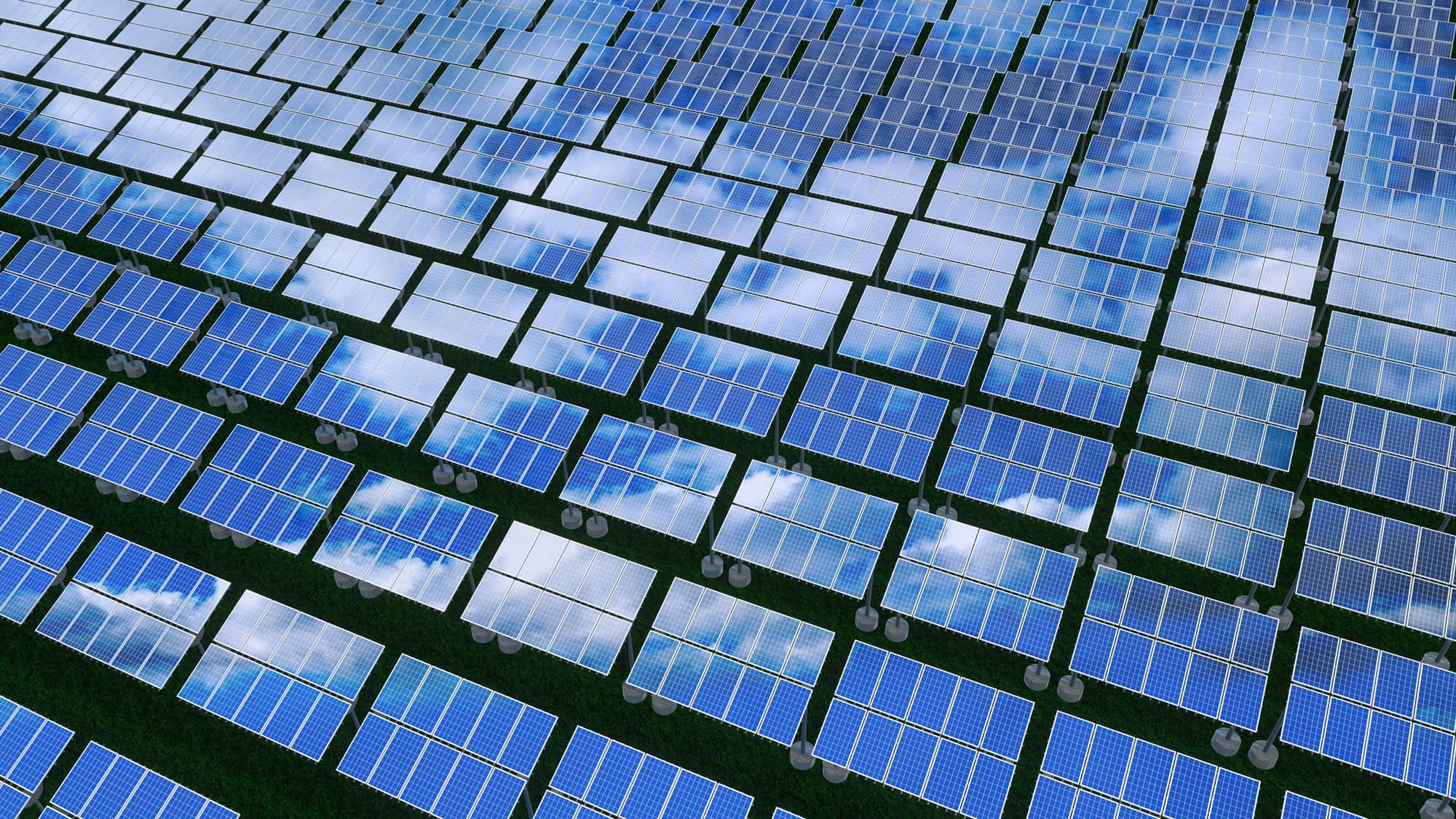
Managing Large Solar Construction Workforces
Utility scale solar development has expanded rapidly across the United States as utilities, energy companies, and large corporations invest in renewable power generation. Solar farms now span hundreds or even thousands of acres and require the coordinated effort of large construction teams working simultaneously across expansive project sites. Because of this scale, Managing Large Solar Construction Workforces has become one of the most important responsibilities for solar developers, engineering firms, and construction contractors.
Solar projects move quickly from site preparation to foundation installation, tracker assembly, module installation, electrical work, and final commissioning. Each phase requires specialized workers and equipment operating on strict schedules. Without proper workforce coordination, projects can fall behind schedule, safety risks can increase, and installation quality may suffer.
For companies involved in utility scale solar installation such as Ansgar Solar, the ability to successfully manage large construction workforces allows projects to stay on schedule while maintaining the quality and safety standards expected by developers and utilities.
The Scale of Modern Solar Construction
Large solar farms often require hundreds of workers on site during peak construction activity. Crews may include equipment operators, pile driving specialists, structural installers, electricians, module installation teams, quality inspectors, surveyors, and project supervisors.
Many projects move through phases that overlap with each other. For example, foundation crews may still be driving piles in one section of the site while tracker installation begins in another. At the same time, logistics teams coordinate deliveries of modules, steel components, and electrical equipment.
The scale of the workforce required to support this level of activity reflects the growth of the solar industry itself. According to the Solar Energy Industries Association, solar energy now accounts for a large portion of new electricity generation capacity added in the United States each year. This rapid expansion has increased the demand for trained solar construction workers and experienced installation teams across the country. Solar Energy Industries Association
Managing these teams effectively requires careful planning, strong leadership, and clear communication across every stage of the construction process.
Workforce Planning Before Construction Begins
Successful solar construction begins long before workers arrive on site. Workforce planning starts during the early stages of project development when construction managers determine the number of workers needed for each phase of the project.
Key considerations during workforce planning include:
- Project size and site layout
- Construction timeline and scheduling requirements
- Equipment and material delivery schedules
- Labor availability in the region
- Specialized skills required for certain installation tasks
Developers and contractors must coordinate with subcontractors and installation partners to secure the right number of trained workers before construction begins. Without early workforce planning, projects may face delays due to labor shortages or scheduling conflicts.
Construction teams also evaluate how different tasks will overlap during installation. For example, pile driving crews may need to complete certain sections before tracker installation teams can begin working. Planning these transitions allows project managers to keep workers productive while minimizing downtime.
Coordinating Multiple Installation Crews
Large solar projects often involve dozens of separate crews working simultaneously across different areas of the site. Each team may focus on a specific installation activity such as:
- Driving piles or installing foundations
- Assembling tracker systems
- Installing solar modules
- Running electrical cable and wiring
- Performing quality inspections
- Conducting equipment commissioning
Managing these crews requires clear communication and detailed construction scheduling. Project managers must coordinate the movement of workers and equipment across the site while maintaining safe working distances between teams.
This coordination also helps prevent bottlenecks in the construction process. For example, if module installation teams arrive before trackers are fully assembled, work can stall and crews may sit idle. Proper workforce scheduling helps keep each installation phase moving forward in a continuous workflow.
Companies experienced in utility scale solar construction develop repeatable processes for managing these large workforces. Standardized installation procedures and clearly defined crew responsibilities help reduce confusion and maintain productivity.
Safety Management for Large Solar Workforces
Safety becomes even more important as the size of a solar construction workforce increases. Large numbers of workers operating heavy equipment, handling electrical components, and working outdoors across uneven terrain create potential safety risks that must be carefully managed.
Solar construction safety programs typically include:
- Daily safety briefings before work begins
- Clearly defined work zones for equipment and crews
- Ongoing safety training for workers
- Inspection of equipment and tools
- Emergency response planning
Organizations such as the Occupational Safety and Health Administration provide guidelines for construction safety practices that help protect workers on job sites. These guidelines include requirements for fall protection, equipment operation, electrical safety, and worker training.
Maintaining strong safety practices across a large workforce helps prevent accidents while protecting both workers and project schedules.
Training and Workforce Development
The rapid growth of the solar industry has increased the demand for trained construction workers who understand the specific requirements of solar installation. While many skills transfer from other construction industries, solar projects also involve specialized installation techniques.
Training programs often focus on areas such as:
- Solar tracker assembly procedures
- Proper module handling techniques
- Electrical installation standards
- Equipment operation and maintenance
- Quality control inspections
Developing skilled solar construction teams improves productivity while reducing installation errors that could impact system performance.
Companies that invest in workforce training build teams capable of supporting multiple large scale projects over time. Skilled workers also become familiar with installation processes that improve speed and efficiency across future projects.
Logistics and Workforce Support
Managing large solar construction workforces also requires careful attention to logistics and worker support. Construction sites may cover hundreds of acres and operate in remote areas far from major cities.
Project managers must coordinate several logistical factors that affect workforce productivity, including:
- Transportation to and from the job site
- Equipment staging areas
- Material delivery schedules
- Worker facilities and break areas
- Communication systems across the site
Efficient site logistics help workers move safely and efficiently between different areas of the project. When materials and equipment are delivered in an organized manner, installation crews can maintain steady progress without unnecessary delays.
Large solar construction teams also depend on clear communication systems. Radios, digital scheduling tools, and daily coordination meetings help supervisors track progress and respond quickly to changing site conditions.
Maintaining Quality Across Large Teams
One of the biggest challenges in Managing Large Solar Construction Workforces is maintaining consistent installation quality across hundreds of workers.
Utility scale solar projects require precise installation standards to achieve long term system performance. Even small installation errors can reduce energy production or increase maintenance requirements over time.
Quality control teams play a critical role in monitoring construction activities across the site. These teams inspect installation work, verify alignment and positioning of components, and confirm that installation procedures follow project specifications.
Standardized installation methods also help maintain consistent quality across different crews. When workers follow the same procedures and training guidelines, the finished solar installation meets the performance expectations of developers and utilities.
The Importance of Experienced Solar Construction Teams
Managing large solar construction workforces requires more than simply hiring large numbers of workers. Successful projects depend on experienced installation teams that understand how to operate efficiently within large scale construction environments.
Companies such as Ansgar Solar support utility scale projects by providing skilled labor, installation expertise, and structured project coordination. Their experience working on large solar construction sites allows crews to adapt to changing site conditions while maintaining installation quality and safety.
As solar energy continues to expand across the United States, the ability to effectively coordinate large construction workforces will remain a critical factor in delivering successful projects.
Conclusion
Utility scale solar projects depend on coordinated teams of workers who install foundations, trackers, modules, and electrical systems across vast construction sites. Managing Large Solar Construction Workforces requires careful planning, strong leadership, and effective communication to keep projects moving forward.
From workforce planning and crew coordination to safety management and quality control, every aspect of solar construction depends on the ability to organize large teams of skilled workers.
As the solar industry continues to grow, experienced construction teams and disciplined workforce management will remain essential for building reliable solar energy infrastructure that supports the transition to cleaner power generation.

Diverse Industry Experience for Solar Installations
Utility scale solar construction requires more than simply placing photovoltaic modules in the field. Modern solar projects involve electrical infrastructure, structural engineering, civil construction, heavy equipment operations, and long term system maintenance planning. Because of this complexity, successful solar installations depend heavily on Diverse Industry Experience for Solar Installations across the workforce.
Companies that bring together professionals from multiple construction and energy sectors are better equipped to build reliable solar projects that perform well for decades. Workers with backgrounds in electrical contracting, civil construction, structural steel, utilities, and power generation contribute unique expertise that strengthens the entire project lifecycle.
For organizations like Ansgar Solar that participate in large scale solar construction, the value of Diverse Industry Experience for Solar Installations becomes clear in every stage of development, from site preparation to final commissioning.
The Growing Complexity of Solar Construction
Solar power has expanded rapidly over the last decade as governments, utilities, and private companies pursue cleaner energy sources. This growth has created significant demand for skilled professionals capable of installing and maintaining solar energy systems.
This rapid expansion reflects the increasing scale of solar projects. Utility scale solar farms can span hundreds or even thousands of acres and include complex electrical and mechanical infrastructure. These projects require the coordination of numerous disciplines such as:
- Electrical engineering and installation
- Structural design and steel installation
- Civil site development
- Heavy equipment operations
- High voltage interconnection
- Monitoring and control systems
Because of this diversity of technical requirements, solar construction teams benefit significantly when their workforce brings experience from multiple industrial sectors.
Why Diverse Industry Experience for Solar Installations Matters
Solar energy systems are long term infrastructure assets that must operate reliably for 25 to 40 years. A team with varied industry experience can anticipate challenges earlier and implement better solutions during construction.
Several key advantages come from Diverse Industry Experience for Solar Installations.
Stronger Construction Planning
Professionals who have worked in industries such as power generation, oil and gas, and industrial construction understand the importance of careful project planning. Their experience with large infrastructure projects helps solar teams coordinate logistics, equipment scheduling, and material deliveries efficiently.
This planning discipline helps reduce delays and supports smoother installation schedules.
Improved Safety Performance
Workers who have experience in sectors such as industrial construction or utility infrastructure bring established safety practices with them. These practices often include:
- Job hazard analysis procedures
- Lockout and tagout protocols
- Fall protection systems
- Equipment safety inspections
Combining these practices strengthens safety culture across solar projects.
Higher Quality Installations
Experience from other industries also supports higher quality construction. Electricians familiar with power distribution systems, for example, understand grounding requirements, conductor sizing, and electrical protection methods that are essential for solar facilities.
Similarly, structural workers who have installed steel systems in other sectors bring precision and attention to alignment that helps solar arrays perform correctly.
Key Industries That Contribute to Solar Expertise
Solar construction benefits from professionals with backgrounds in a wide range of industries. Each sector contributes valuable knowledge that improves installation outcomes.
Electrical Contracting
Electrical professionals are central to solar installations. They install and connect photovoltaic modules, inverters, transformers, and grid interconnection equipment.
Electricians who have worked in industrial or utility environments often bring expertise in:
- High voltage distribution systems
- Substation construction
- Cable management and routing
- Electrical testing and commissioning
These skills are essential for connecting solar facilities safely and reliably to the power grid.
Civil Construction
Before solar panels can be installed, significant site preparation is required. Civil construction teams perform tasks such as grading, drainage installation, and access road construction.
Workers with civil construction experience help address challenges like:
- Soil stability
- Erosion control
- Stormwater management
- Site accessibility
Their expertise helps prepare solar sites that remain stable and serviceable for decades.
Structural and Mechanical Construction
Solar arrays rely on large structural systems that support photovoltaic modules and maintain proper alignment with the sun.
Professionals with structural fabrication and installation experience contribute valuable skills in:
- Steel fabrication and assembly
- Structural alignment and leveling
- Torque specifications and fastening systems
- Mechanical installation procedures
These skills are critical to building solar arrays that withstand environmental conditions such as wind loads and seasonal temperature changes.
Utility and Power Generation
Solar energy is ultimately part of the electrical generation infrastructure. Professionals who have worked in traditional power generation or utility projects understand grid integration requirements and operational expectations.
Their knowledge helps teams coordinate with utilities on:
- Interconnection procedures
- Grid stability requirements
- Commissioning protocols
- Performance monitoring systems
This experience improves coordination between solar facilities and the larger power grid.
Workforce Development and Training
As solar deployment continues to expand, workforce development programs are helping train new professionals to enter the industry. The U.S. Department of Energy notes that deploying safe and reliable solar energy systems requires a workforce that is properly trained to design, install, and maintain these technologies.
Training programs now combine classroom instruction with hands on field experience to prepare workers for real world solar projects. These programs often include topics such as:
- Solar system design principles
- Electrical safety and code compliance
- Installation techniques
- System testing and maintenance
Many programs also collaborate with construction companies to provide apprenticeships or field training opportunities.
Organizations such as the Interstate Renewable Energy Council have also developed training best practices that help create standardized instruction for solar technicians and installers.
These initiatives strengthen the talent pipeline and help build a workforce capable of supporting the continued expansion of solar energy.
Collaboration Across Disciplines
One of the greatest strengths of solar construction is the collaboration between professionals from different industries. When experienced workers from electrical, civil, structural, and mechanical backgrounds work together, they create a well balanced project team.
This collaboration leads to better outcomes in several ways:
- Engineers and installers identify potential design conflicts earlier
- Construction crews coordinate installation steps more efficiently
- Safety practices are reinforced through shared knowledge
- Quality standards remain consistent across disciplines
By bringing together these different perspectives, solar companies can complete complex projects with greater efficiency and reliability.
The Role of Experienced Solar Contractors
Companies that understand the value of Diverse Industry Experience for Solar Installations are often better positioned to deliver successful projects. Contractors that hire professionals with varied backgrounds can adapt to the challenges that arise during large solar developments.
For example, teams with experience in heavy construction may be better equipped to operate pile driving equipment and install tracker foundations. Electrical professionals with power generation experience may better understand the requirements for high voltage commissioning.
This combination of skills allows solar contractors to handle both the construction and operational requirements of modern energy infrastructure.
Long Term Performance of Solar Facilities
Solar installations are designed to operate for several decades. The construction quality achieved during the installation phase directly affects the long term performance of the facility.
Experienced teams help deliver solar plants that operate efficiently over their entire lifespan. Their knowledge helps reduce issues such as:
- Improper electrical connections
- Structural misalignment
- Inadequate grounding
- Mechanical component failure
By applying lessons learned from other industries, experienced solar professionals help create more reliable renewable energy infrastructure.
Conclusion
Solar energy continues to grow as a key component of the global energy transition. As projects become larger and more technically complex, the need for skilled professionals across multiple disciplines continues to increase.
The success of modern solar construction depends heavily on Diverse Industry Experience for Solar Installations. Professionals from electrical contracting, civil construction, structural engineering, and power generation bring valuable knowledge that strengthens every stage of the project.
Organizations that build teams with varied backgrounds can better plan, construct, and maintain solar facilities that operate reliably for decades. Through strong workforce development programs and collaboration across industries, the solar sector will continue to expand while delivering clean and dependable energy.

Solar Array Alignment and Row Spacing
Utility scale solar construction involves far more than installing panels across a large field. One of the most important design factors affecting solar plant performance is Solar Array Alignment and Row Spacing. These two elements directly influence how much sunlight reaches each module, how efficiently the system produces electricity, and how easily the site can be maintained over its lifetime.
Developers, EPC contractors, and construction teams must carefully plan these variables long before installation begins. Poor alignment or improper row spacing can reduce energy production, increase maintenance challenges, and limit long term project profitability. When engineered correctly, Solar Array Alignment and Row Spacing can significantly improve the efficiency and durability of a solar project.
This article explains why these factors matter and how construction teams approach them during the development of large solar farms.
Why Solar Array Alignment and Row Spacing Matter
Every solar module converts sunlight into electricity. The goal of solar plant design is to maximize how much sunlight reaches the modules throughout the day and across different seasons.
Solar Array Alignment and Row Spacing determine several important aspects of solar performance:
- Amount of sunlight each panel receives
- Risk of shading from nearby rows
- Overall energy output of the solar plant
- Land utilization efficiency
- Accessibility for maintenance and equipment
When solar arrays are installed too close together, one row of panels can cast shadows on the next row. Even small shading issues can reduce energy production because solar modules are connected in strings and shading on a portion of a panel can affect the output of the entire circuit.
According to the U.S. Department of Energy, solar shading can significantly reduce system performance if not accounted for during design and layout planning.
Proper Solar Array Alignment and Row Spacing prevent this issue while allowing developers to use land efficiently.
Solar Array Alignment Fundamentals
Solar Array Alignment refers to the direction and tilt of the solar panels relative to the sun.
For most utility scale projects in the United States, solar arrays are aligned toward the south. This orientation allows panels to receive the most sunlight throughout the day.
However, alignment can vary depending on several project factors:
- Geographic location
- Solar resource availability
- Terrain conditions
- Use of fixed tilt or tracking systems
- Local climate patterns
In some cases, developers use east west alignment strategies to maximize morning and afternoon production. This approach can help stabilize energy output across the day, which can be beneficial for certain power purchase agreements.
Construction teams work closely with engineers to implement these alignment plans accurately during installation.
Fixed Tilt vs Tracking Systems
Solar Array Alignment and Row Spacing differ depending on whether the project uses fixed tilt systems or solar trackers.
Fixed Tilt Arrays
Fixed tilt systems position panels at a set angle that does not move during operation. These systems are simpler to install and require less mechanical equipment.
However, fixed tilt arrays must be positioned carefully to capture optimal sunlight. The tilt angle usually depends on the latitude of the installation site.
Row spacing for fixed tilt systems must account for the angle of the panels to prevent shading during winter months when the sun sits lower in the sky.
Single Axis Tracking Systems
Many large solar farms now use single axis trackers that rotate throughout the day to follow the sun.
Tracking systems allow panels to produce more electricity because they remain aligned with the sun as it moves across the sky.
Because the panels rotate, Solar Array Alignment and Row Spacing must allow room for tracker movement. Rows typically require greater spacing compared to fixed tilt systems to avoid shading when panels tilt at different angles.
Tracking systems also require careful installation accuracy because misalignment can affect the performance of entire tracker rows.
Determining Optimal Row Spacing
Row spacing is calculated using engineering models that evaluate solar angles throughout the year.
The main goal is to prevent shading between rows during critical production periods.
Engineers consider several variables when calculating row spacing:
- Panel height
- Tilt angle
- Sun path across seasons
- Latitude of the project site
- Terrain slope
- Tracking system movement
Solar developers often design systems to avoid shading during winter solstice conditions. This represents the lowest solar angle of the year and provides a conservative design approach that protects energy production year-round.
However, wider spacing also reduces the number of panels that can fit on a site. Developers must balance land utilization with performance optimization.
This is why Solar Array Alignment and Row Spacing require careful modeling during the planning phase.
Terrain and Site Conditions
Not all solar projects are built on perfectly flat land. Terrain conditions can affect how arrays are aligned and spaced across the site.
Slope direction, soil conditions, and elevation changes may require adjustments to the layout.
Construction teams may need to modify row spacing in areas where terrain creates potential shading. In some cases, grading or civil work is performed to prepare the site for consistent solar installation.
Pile driven foundations also play a role in maintaining consistent alignment across large projects. Accurate pile installation allows tracker systems and panel structures to remain properly oriented.
This level of precision is essential for maintaining consistent Solar Array Alignment and Row Spacing across thousands of panels.
Construction Precision and Layout Control
Large solar farms may contain hundreds of thousands of modules. Small alignment errors during installation can compound across a project and affect overall performance.
Construction teams rely on several technologies to maintain accuracy:
- GPS based layout systems
- Laser surveying equipment
- Drone mapping and site modeling
- Digital construction drawings
These tools help crews position piles, trackers, and panel frames according to the design layout.
Construction quality control teams also verify installation accuracy throughout the project. Checking alignment and spacing during installation prevents costly corrections later in the build.
For EPC contractors and developers, maintaining precise Solar Array Alignment and Row Spacing is essential for meeting energy production targets.
Long Term Maintenance Considerations
Row spacing also affects long term solar plant operations.
Utility scale solar sites must allow access for maintenance vehicles, cleaning equipment, and inspection crews. If rows are installed too close together, maintenance activities can become difficult or inefficient.
Proper Solar Array Alignment and Row Spacing support:
- Equipment access between panel rows
- Vegetation management
- Panel cleaning operations
- Electrical maintenance and inspections
Well planned spacing also improves airflow around panels. This can help reduce heat buildup and maintain higher operating efficiency.
Maximizing Performance Through Smart Design
Solar Array Alignment and Row Spacing represent a critical intersection between engineering design and construction execution.
Developers must consider energy output, land efficiency, equipment movement, and long term maintenance when designing a solar layout. Construction teams must then implement that design with precision across large project sites.
When properly planned and executed, Solar Array Alignment and Row Spacing allow solar plants to operate at maximum efficiency while maintaining safe and accessible infrastructure.
As solar projects continue to grow in scale, these design considerations will remain essential to achieving reliable long term energy production.
For companies involved in utility scale solar construction, the ability to install solar arrays with precision alignment and optimized row spacing plays a major role in delivering successful renewable energy projects.

Pile Driving to Withstand Environmental Conditions
Utility scale solar projects are built to operate for decades in places where the weather does not cooperate. High winds, saturated soils, freeze thaw cycles, flooding, and long term corrosion exposure can all work against racking alignment and structural stability over time. That is why pile driving to withstand environmental conditions is not just a construction step. It is the foundation of long term reliability.
At Ansgar Solar, pile driving is treated as a disciplined field operation backed by geotechnical data, structural loading requirements, and jobsite quality control. When piles are selected correctly, driven to the right depth, and verified through documentation, the solar array gains a stable platform that resists environmental stress without constant remediation.
This article explains how pile driving supports long term performance, what environmental conditions matter most, and how a well run installation plan reduces risk across the entire asset life.
Why pile driving matters for solar resilience
Most ground mount solar arrays rely on driven steel piles to transfer loads from the racking system into the soil. Those loads are not limited to the static weight of the modules. Environmental conditions introduce lateral forces, uplift forces, and cyclic stresses that can loosen soil structure and degrade connections if foundations are not designed and installed properly.
Wind is often the dominant load case for racking and foundations, especially on open sites with limited shielding. During storm events, wind can create strong uplift on modules and significant lateral push on the row system, concentrating stress at the pile to post connection and at the soil line. NREL has highlighted how high wind conditions can drive structural damage at anchoring points and mounting components if systems are not prepared for storms.
The takeaway is simple. If the piles are not driven and verified with environmental conditions in mind, everything above them inherits the risk.
Environmental conditions that piles must withstand
When we talk about pile driving to withstand environmental conditions, we are really talking about designing and installing foundations that can handle the full set of site realities. The most common drivers include:
High wind and cyclic loading
Wind events do not apply force once and stop. They apply repeated gust cycles that stress the racking, pile connections, and soil around the pile. Proper pile embedment, correct pile orientation, and consistent installation tolerances help the system resist movement that can create misalignment and long term fatigue.
Wet soils, flooding, and erosion
Saturated soils can reduce effective soil strength, especially in fine grained clays and loose sands. Flooding can also cause localized erosion or scour, exposing more pile length and reducing lateral resistance at the ground line. A resilient foundation strategy accounts for drainage, finished grade control, and potential loss of soil support in extreme events.
Freeze thaw and frost heave
In cold climates, freeze thaw cycles can push foundations upward if soils are frost susceptible and water is available. Pile depth and soil conditions drive the risk. Foundations need enough embedment below frost depth and should be evaluated for uplift potential, especially on sites with silts and poorly drained areas.
Corrosion and aggressive soils
Soil chemistry, moisture, and oxygen availability influence corrosion rates. Coastal environments, high water tables, and disturbed soils can accelerate corrosion, so pile material selection and protective coatings matter. The pile is expected to last for the project life, so corrosion is not a cosmetic concern. It is a structural capacity concern.
Expansive soils and settlement
Some clays expand when wet and shrink when dry. This can create seasonal movement and degrade alignment if foundations are not installed with the right depth and design approach. Likewise, compressible soils can settle over time, changing row elevations and affecting tracker geometry or fixed tilt alignment.
The design foundation: geotechnical and structural alignment
Good pile driving starts before a pile ever shows up on site. The installation plan needs to reflect geotechnical findings and the structural design intent.
A geotechnical investigation helps define soil stratigraphy, groundwater conditions, and parameters such as friction, end bearing potential, and lateral resistance. That information feeds foundation sizing, embedment depth targets, and refusal criteria.
On the installation side, FHWA guidance on driven pile foundations emphasizes the importance of linking design assumptions with construction control, including driving criteria, installation monitoring, and verification methods. This mindset translates well to solar sites where production pace is high and consistency is everything.
For solar, the goal is not just to drive piles deep. The goal is to drive piles to the depth and capacity needed to resist the environmental loads expected over decades.
Practical field strategies for pile driving to withstand environmental conditions
Here are the jobsite practices that most directly impact environmental durability.
1) Match pile type and section to site realities
Not every site should use the same pile section. Heavy wind zones, weak near surface soils, or high uplift requirements may call for a different section modulus, steel thickness, or profile. Coastal or aggressive soils may require enhanced corrosion protection. The best strategy is to select a pile and coating system that fits the environment, not just the price.
2) Control embedment depth with real verification
Depth targets should be tied to geotechnical results and structural requirements, then verified in the field. Depth alone is not always enough. Refusal, blow counts, and driving resistance trends help confirm that piles are achieving the intended capacity. Following disciplined driven pile construction practices and documentation methods similar to those outlined in FHWA driven pile references reduces uncertainty at turnover.
3) Keep piles plumb and aligned
Environmental loads punish misalignment. A pile that is out of plumb changes the load path, increases bending, and can stress connection hardware. Tight tolerance control improves system performance and reduces the chance of long term row drift, especially on trackers where alignment is critical.
4) Protect against uplift at the connection and in the soil
Uplift is a major driver during storms. The pile to post connection, bolting, and clamp design must be installed exactly to spec. In soils with low uplift resistance, increasing embedment, changing pile geometry, or improving site drainage can improve outcomes. NREL storm preparedness guidance reinforces that anchoring and mounting points are common vulnerability areas during high wind conditions.
5) Plan for water management, not just foundations
Drainage improvements, proper grading, and erosion controls reduce the chance that piles lose soil support over time. Even a strong pile can underperform if the ground line erodes and lateral resistance drops. Environmental durability is a civil and structural coordination problem, not a single trade problem.
6) Address frost and seasonal movement in cold regions
If a site is in a frost susceptible zone, pile depth and soil conditions must be evaluated for uplift risk. Driving below frost depth and minimizing water retention near foundations can reduce frost heave risk. The right approach depends on soil type, groundwater, and surface drainage.
7) Manage corrosion risk proactively
Corrosion should be considered during design and reinforced during field handling. Protective coatings can be damaged during transportation, staging, and driving. Site teams should verify coating condition, touch up damage per specification, and track any anomalies. In wet soils or high water table areas, this becomes even more important.
Quality control that holds up for decades
A solar foundation program that truly supports pile driving to withstand environmental conditions needs QA that is practical, repeatable, and tied to acceptance criteria.
Strong QC programs typically include:
- Pre install checks on pile type, coating, and dimensions
- Verification of layout coordinates and row offsets
- Ongoing plumbness and top of pile elevation checks
- Driving logs with depth, refusal behavior, and equipment notes
- Photo documentation and traceability by array block
- Corrective action tracking for piles that are out of tolerance
This is also where experienced crews make the difference. Environmental durability depends on doing the basics correctly thousands of times across a site. Consistency wins.
How this protects owners and schedules
When pile driving is rushed, the consequences show up later. Misalignment leads to tracker commissioning problems. Insufficient embedment leads to rework. Poor documentation complicates closeout. Water management gaps lead to erosion and service calls.
When pile driving is executed with a durability mindset, owners get:
- Better structural stability during storms and seasonal change
- Fewer foundation related punch items at commissioning
- Reduced long term O and M interruptions tied to alignment issues
- Cleaner project documentation for financiers and asset managers
That is what resilient construction looks like in practice.
Closing: foundations built for the real world
Solar assets live outdoors for decades. They face high wind events, saturated soils, freeze thaw cycles, and long term corrosion exposure. The foundation system has to be ready for all of it.
By treating pile driving to withstand environmental conditions as a controlled process backed by geotechnical insight, disciplined driving criteria, and quality documentation, Ansgar Solar helps owners build projects that stay aligned, stable, and serviceable over the long run.
Designing Solar Projects for Easy Maintenance
Designing Solar Projects for Easy Maintenance is one of the most important factors influencing long term system reliability, operating costs, and overall project success. While many solar developments prioritize installation speed and upfront capital efficiency, the true performance of a solar asset is realized over decades of operation. When maintenance is treated as an afterthought, owners often face higher labor costs, increased downtime, safety concerns, and accelerated system wear.
At Ansgar Solar, we design and construct projects with the full lifecycle in mind. That means planning layouts, access, equipment placement, and site infrastructure so inspections, repairs, cleaning, and system upgrades can be performed efficiently throughout the life of the project.
This article explains why maintenance focused design matters, what it looks like in practice, and how smart construction planning leads to stronger long term returns.
Why Maintenance-Friendly Solar Design Matters
Solar projects are typically expected to operate for 25 to 35 years or more. Over that time, every site will require routine inspections, inverter servicing, vegetation control, module cleaning, electrical testing, structural checks, and drainage upkeep. When projects are not designed with serviceability in mind, even simple tasks can become time consuming, costly, and hazardous.
Research from National Renewable Energy Laboratory shows that operation and maintenance costs play a major role in long term solar project economics. Sites with poor accessibility, crowded layouts, and inadequate drainage often experience higher labor hours per repair and delayed maintenance, which can negatively impact system availability and asset lifespan.
By designing for easy maintenance from the beginning, project teams improve uptime, worker safety, cost control, and long term reliability.
Access Infrastructure Sets the Foundation for Maintenance Efficiency
One of the most critical components of maintenance friendly design is site access. Well planned projects incorporate stable service roads, appropriate turning radiuses for equipment, and direct access to major system components such as inverter pads and substations.
When access is overlooked, crews may struggle to reach equipment during wet conditions, require temporary road construction, or delay repairs due to unsafe working environments. Over the life of a project, these inefficiencies compound into significant cost and schedule impacts.
At Ansgar Solar, access planning is built into early site layouts to support year-round maintenance without disrupting racking systems or surrounding terrain.
Equipment Placement Should Support Safe and Efficient Servicing
Inverters, transformers, combiner boxes, and control equipment represent the most maintenance intensive portions of a solar facility. Thoughtful placement of these components allows technicians to work safely, move equipment easily, and perform replacements without interfering with other systems.
Maintenance friendly layouts typically include open service zones around electrical equipment, elevated pads that protect against flooding, clear routing of conduits and cables, and logical grouping of components. Crowded equipment areas increase downtime and raise safety risks while slowing troubleshooting and repairs.
Designing these areas with long term access in mind greatly reduces operational disruptions.
Layout Geometry Plays a Major Role in Serviceability
Row spacing and overall site geometry influence how easily maintenance crews can move through the project. While tighter spacing may maximize land usage, it often creates challenges for inspections, cleaning equipment, vegetation control machinery, and structural repairs.
Balanced layouts provide adequate room for technicians to access module connections, perform maintenance tasks efficiently, and operate service vehicles without damaging infrastructure. Proper spacing also improves safety by reducing trip hazards and confined work zones.
Smart layout design supports both strong energy production and efficient long-term operations.
Drainage and Erosion Control Protect Long-Term Access
Water management is one of the most overlooked yet impactful maintenance considerations in solar construction. Poor drainage can lead to muddy roads, flooded equipment pads, soil erosion around foundations, and accelerated corrosion of structural components.
Effective maintenance focused design includes properly graded flow paths, reinforced culverts, stabilized slopes, retention features, and gravel protection around critical equipment. These systems preserve access routes and protect infrastructure from weather related degradation.
By integrating drainage solutions during construction, Ansgar Solar helps prevent long term access problems and infrastructure damage.
Organized Electrical Systems Reduce Maintenance Time
Cable routing and electrical organization have a direct impact on maintenance efficiency. When cables are properly elevated, protected, labeled, and logically routed, technicians can quickly identify faults, perform inspections, and complete repairs.
Disorganized cabling increases troubleshooting time, exposes wiring to wildlife damage, and creates safety hazards for crews working on site. Clean electrical design also improves documentation accuracy and long term system reliability.
Well planned cable management is one of the simplest ways to reduce maintenance labor over the life of a solar project.
Vegetation Control Should Be Designed into the Site
Vegetation growth is a constant maintenance challenge for both utility scale and commercial solar projects. Poor planning can lead to blocked access routes, shading of modules, interference with electrical components, and increased fire risk.
Maintenance friendly design accounts for mowing access, natural drainage patterns, protective ground covers near equipment, and spacing that allows vegetation management machinery to operate efficiently. When these factors are addressed during layout development, ongoing vegetation control becomes far simpler and less costly.
How Maintenance-Friendly Design Improves Project Economics
Designing Solar Projects for Easy Maintenance directly impacts financial performance. Easier access and serviceability reduce labor hours for inspections and repairs. Faster troubleshooting minimizes system downtime. Strong drainage and structural protection extend asset life. Clear work zones lower safety incidents and insurance exposure.
Over decades of operation, these improvements translate into lower operating costs, higher energy production, and stronger returns for asset owners.
Even modest design adjustments during construction can produce substantial long term savings.
Applying Maintenance-First Design Across Project Types
For utility scale solar projects, maintenance focused design emphasizes heavy equipment access, centralized inverter areas, durable road networks, long term erosion control, and efficient vegetation management.
For commercial and industrial systems, the focus often shifts to rooftop access paths, organized inverter rooms, clear electrical labeling, drainage around penetrations, and safe technician movement within building environments.
Ansgar Solar applies the same lifecycle driven principles across both scales, adapting layouts to meet site specific operational needs.
How Ansgar Solar Builds for Long-Term Serviceability
At Ansgar Solar, easy maintenance is treated as a core construction objective. Our teams integrate lifecycle focused layouts, engineered access infrastructure, thoughtful equipment placement, drainage and erosion controls, organized electrical systems, and constructability reviews aimed at long term performance.
By addressing serviceability during planning and construction, we help owners protect system reliability and reduce operational challenges for decades to come.
Final Thoughts
Designing Solar Projects for Easy Maintenance is one of the smartest investments a developer or asset owner can make. Projects that prioritize access, layout efficiency, drainage, equipment placement, and electrical organization operate more reliably, cost less to maintain, and deliver stronger long term performance.
Solar facilities are built to produce energy for decades, not just to reach energization milestones. When maintenance is embedded into design from the beginning, long term success follows.
Module Position Accuracy: The Hidden Driver of Solar Performance
On a utility scale solar site, most of the attention goes to megawatts, schedules, and interconnection dates. But some of the biggest performance and reliability wins come from something that looks simple on paper and gets very complicated in the field: Module position accuracy.
Module position accuracy is the discipline of placing, fastening, and verifying PV modules so they sit exactly where the design intended, at the correct height, plane, orientation, and relationship to the racking or tracker system. When module placement is consistent across the array, you reduce mechanical stress, avoid shading and mismatch losses, improve tracker motion reliability, and shorten the path to clean commissioning.
In this article, Ansgar Solar breaks down why module position accuracy matters, what commonly causes errors, and how strong field controls and quality checks keep production on target from day one.
Why Module Position Accuracy Matters More Than Most Teams Expect
Most solar projects can tolerate small variations in individual tasks, but module placement is one of the areas where small inconsistencies can compound across thousands of modules.
Module position accuracy impacts three core outcomes:
- Energy yield and mismatch control
Utility scale PV arrays are built around repeatability. When module placement becomes inconsistent, the array starts behaving less like a uniform power plant and more like a collection of slightly different systems. That increases the risk of string level mismatch, unpredictable clipping behavior, and pockets of underperformance that take time to diagnose. - Mechanical reliability and long term durability
PV modules are engineered to handle wind, temperature swing, and loading within specific mounting and support assumptions. If modules are installed out of plane, racked with uneven clamp pressure, or forced into alignment with torque instead of fit, you introduce stress that can show up later as loosening hardware, frame distortion, or accelerated wear. - Commissioning quality and operating stability
Commissioning is where a project shifts from construction to production. Clean commissioning depends on clean construction. Module position accuracy supports consistent electrical routing, predictable tracker behavior, and fewer rework cycles during inspections and punch walks.
The broader industry emphasis on reliability and consistent standards is also why the solar sector continues to invest in quality focused best practices and durability frameworks. U.S. Department of Energy highlights that developing and applying consistent standards helps improve PV reliability and long service lifetimes.
What Module Position Accuracy Looks Like in the Field
Module position accuracy is not one single measurement. It is a set of practical field targets that keep the installation aligned with design intent. Depending on whether the project uses fixed tilt or trackers, accuracy typically includes:
- Module plane consistency: modules sit flat and consistent across a table or row, without twist or visible bowing caused by forced fit.
- Row to row uniformity: each module row maintains consistent position relative to adjacent rows to protect access pathways, wiring routes, and shading assumptions.
- Correct clamp location and torque: modules are clamped within manufacturer allowable zones and tightened to proper specs so the frame is supported correctly.
- Proper edge and end alignment: module edges line up so tables look uniform and do not create uneven wind exposure points.
- Cable management alignment: wire drops, homeruns, and harness routing stay consistent so nothing binds, rubs, or interferes with tracker movement.
On tracker sites, module position accuracy also supports smooth tracking motion. A small placement issue repeated across a row can become a friction point, a wiring snag point, or a misalignment that increases wear on bearings and driveline components over time.
Common Causes of Poor Module Position Accuracy
Most module placement problems are not caused by a single big mistake. They come from small breakdowns in process that repeat across crews, shifts, or work areas. Here are the most common root causes Ansgar Solar sees across utility scale builds.
1) Drift in layout control
If survey control points, baselines, or reference marks are not protected and revalidated, layout can drift. That drift may not be obvious until you stand back and see row edges no longer lining up, harness runs no longer fitting as planned, or access lanes tightening unexpectedly.
2) Racking or tracker tolerance stack up
Every system has tolerances. When pile positions, torque tube straightness, bearing installation, and rail fit all land on the loose side of tolerance, the final module placement can be harder to keep consistent. This is where discipline in upstream work pays off downstream.
3) Inconsistent crew methods
If one crew uses jigs, visual guides, or measured references and another crew “sets by feel,” you end up with two different arrays. Module position accuracy requires a shared standard across all installers, not just experienced leads.
4) Rushed fastening and torque control
Fastening hardware too quickly can cause uneven clamp pressure and misalignment. Over torque and under torque both create problems. Over torque can deform frames or strip hardware. Under torque can lead to loosening over time.
5) Cable management added after placement
When cable management is treated as an afterthought, it can pull modules out of alignment, create inconsistent drip loops, or introduce snag points that interfere with tracker rotation. Good module position accuracy includes cable strategy from the start.
How Module Position Accuracy Protects Production on Tracker Projects
Tracker based plants are designed for higher energy yield, but they are also more sensitive to mechanical and electrical consistency. Module position accuracy supports trackers in several specific ways:
- Reduces binding and uneven loading across a row, especially where terrain varies.
- Prevents harness strain that can happen when module to module spacing or clamp points vary.
- Improves stow behavior because modules and wiring are less likely to catch wind differently at edge cases.
- Simplifies diagnostics because consistent installation makes true equipment issues easier to spot.
Tracker suppliers design systems around repeatability. Your installation either supports that repeatability or fights it.
Quality Control Methods That Strengthen Module Position Accuracy
Ansgar Solar treats module position accuracy as a measurable output, not a subjective judgment. The goal is to build a system that looks uniform because it is uniform.
Here are field proven controls that raise accuracy and reduce rework:
Pre installation controls
- Verified survey control and preserved benchmarks
- Material staging that protects modules and hardware from twist and damage
- Mockup tables that define acceptable alignment, clamp placement, and cable routing
- Crew standardization so every team follows the same set method
In process verification
- Spot checks by zone rather than waiting for end of row inspections
- Torque verification routines and tool calibration checks
- Alignment checks at repeat intervals using measured references, not just visual alignment
- Cable management inspection before the row is released to the next phase
Closeout documentation
- As built records that capture deviations, corrections, and acceptance
- Punch tracking tied to locations so repeat issues are caught early
- Photo documentation for critical installation details that owners and O&M teams will care about later
These quality management concepts align with best practice frameworks published by National Renewable Energy Laboratory, which describe installation best practices as an industry approach to mitigating risk and improving PV asset performance and reliability.
What Owners and EPC Teams Gain When Module Position Accuracy Is a Priority
When module position accuracy is built into the plan, it does more than make the site look clean. It changes downstream outcomes.
- Fewer punch items at mechanical completion because alignment and torque issues are caught early.
- Faster commissioning because electrical routing is consistent and troubleshooting is simpler.
- Lower O&M burden because cable wear points and hardware loosening risks are reduced.
- More predictable production because the array behaves more like a repeatable system and less like a patchwork of variances.
Most importantly, accuracy reduces the quiet performance losses that do not show up as obvious failures. That is where long term value often lives.
How Ansgar Solar Builds Module Position Accuracy Into the Work
Ansgar Solar approaches module position accuracy with a simple principle: you cannot inspect quality into a project at the end. You have to build it into the workflow.
That means planning around repeatable methods, training crews on what acceptable looks like, validating alignment continuously, and using documented checklists that prevent common drift points. It also means coordinating module placement with upstream tolerances such as pile position and tracker component fit so the final installation does not rely on forced adjustments.
When module position accuracy is treated as a core deliverable, not a finish detail, the entire project becomes easier to commission, easier to maintain, and more stable in production.
Final Thoughts
Utility scale solar success depends on thousands of repeatable actions executed with discipline. Module position accuracy is one of the most under appreciated of those actions because it spans structural, mechanical, and electrical quality all at once.
When modules are placed accurately and consistently, you protect energy yield, reduce mechanical stress, and shorten the path to a clean turnover. If you want a project that performs like it was engineered to perform, start with module position accuracy and build the field controls to support it.