
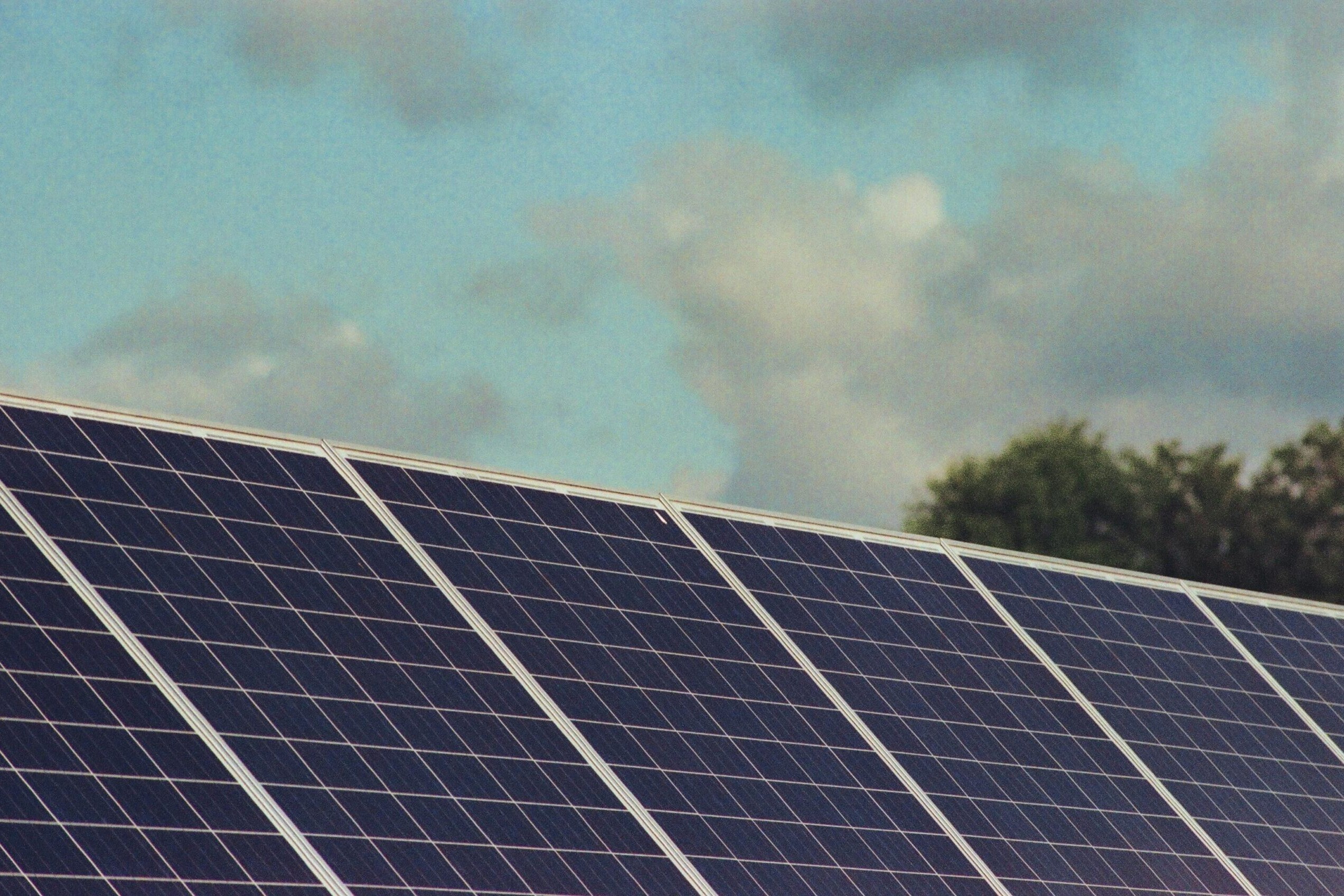
Utility scale solar projects depend on more than engineering and installation crews. A well organized site can directly impact productivity, safety, quality control, and project timelines. One of the most overlooked contributors to successful execution is the planning and operation of laydown yards and material staging areas. Best Practices for Solar Laydown Yards and Material Staging can help contractors reduce downtime, improve workflow, and protect expensive equipment throughout construction.
Solar projects involve massive quantities of material arriving on site. Modules, trackers, torque tubes, piles, combiner boxes, cable reels, transformers, and mounting hardware all need to be stored, organized, protected, and delivered to crews efficiently. Without a clear staging strategy, projects can experience delays, damaged equipment, safety concerns, and unnecessary labor costs.
At Ansgar Solar, efficient field execution is a major focus on utility scale projects. Planning material movement before construction begins can create a smoother workflow from mobilization to commissioning.
Why Laydown Yards Matter on Utility Scale Solar Projects
Laydown yards serve as the operational backbone of a solar construction project. These designated areas allow crews to receive, inspect, organize, and distribute material throughout the site. Since utility scale projects often stretch across hundreds or thousands of acres, poor staging practices can create major inefficiencies.
Material handling delays can quickly affect installation schedules. Crews waiting for missing components or traveling excessive distances for equipment reduce productivity. Organized staging helps maintain a continuous workflow and minimizes interruptions.
The Occupational Safety and Health Administration emphasizes the importance of organized construction sites for reducing workplace hazards and improving operational safety. Proper storage and access routes are critical on large construction projects where multiple trades and heavy equipment operate simultaneously.
Planning Laydown Yard Locations
One of the first Best Practices for Solar Laydown Yards and Material Staging is selecting the right location. The ideal laydown area provides easy access to active work zones while minimizing traffic congestion and unnecessary transportation across the project.
Several factors should influence location selection:
- Proximity to installation areas
- Accessibility for delivery trucks
- Ground stability and drainage
- Space for future expansion
- Separation between pedestrian and equipment traffic
- Environmental compliance requirements
Projects often benefit from multiple smaller staging areas instead of one central yard. Distributed staging reduces transportation time and allows installation crews to access materials more efficiently as construction progresses.
Ground conditions also play a major role. Soft or poorly drained areas can become unusable after heavy rain, causing delays and damaging equipment. Gravel stabilization or temporary construction matting may be necessary in some locations.
Organizing Material for Efficient Workflow
Solar projects involve thousands of individual components. Without organization, crews can lose valuable time searching for parts or moving materials multiple times before installation.
One of the most effective Best Practices for Solar Laydown Yards and Material Staging is organizing material based on installation sequence. Components should arrive and be staged in the same order they will be installed in the field.
For example:
- Piles staged closest to pile driving crews
- Torque tubes and tracker components separated by row sequence
- Modules organized by installation zone
- Electrical materials grouped by system type
- Hardware and small components stored in labeled containers
Color coding and signage can improve visibility and reduce confusion, especially on large projects with multiple subcontractors and rotating crews.
Digital inventory tracking systems are becoming increasingly common on utility scale solar projects. These systems help monitor deliveries, identify shortages, and improve accountability for expensive equipment.
Protecting Solar Materials from Damage
Solar materials represent a major investment. Improper storage can lead to damaged components, delayed schedules, and warranty concerns.
Modules require careful handling and storage to prevent cracked glass, frame damage, or moisture intrusion. Tracker components and piles can also experience corrosion or physical damage if left exposed improperly.
The National Renewable Energy Laboratory has published guidance emphasizing proper handling and storage procedures for photovoltaic equipment to maintain long term system performance and reliability.
Some important protection strategies include:
- Keeping modules elevated off the ground
- Covering sensitive electrical equipment
- Preventing standing water around stored materials
- Using designated traffic routes to avoid accidental impacts
- Inspecting materials upon delivery
- Limiting unnecessary handling
Material inspections should occur immediately when shipments arrive. Identifying damage early helps avoid disputes with suppliers and keeps replacement orders moving quickly.
Managing Traffic Flow on Solar Sites
Large solar construction sites often involve constant movement of trucks, forklifts, telehandlers, cranes, and personnel. Poor traffic planning increases the risk of accidents and slows productivity.
One of the most important Best Practices for Solar Laydown Yards and Material Staging is developing a clear traffic management plan before construction ramps up.
Effective traffic management strategies include:
- Designated one way traffic patterns
- Clearly marked pedestrian walkways
- Separate delivery and equipment routes
- Speed limit enforcement
- Spotters for backing equipment
- Restricted access areas
Traffic congestion around staging areas can quickly create bottlenecks. Coordinating delivery schedules helps prevent overcrowding and reduces waiting times for trucks entering the site.
Daily coordination meetings can also help align material deliveries with installation progress. Communication between logistics teams, superintendents, and field crews is critical for maintaining efficiency.
Supporting Safety Through Better Staging
Safety remains one of the biggest priorities on utility scale solar projects. Poorly maintained staging areas can create trip hazards, equipment collisions, and lifting injuries.
Clean and organized laydown yards help reduce these risks significantly.
Important safety considerations include:
- Maintaining clear access paths
- Storing materials securely
- Limiting stack heights
- Providing proper lighting
- Marking hazard zones
- Inspecting lifting equipment regularly
Emergency access should also remain open throughout construction. Congested staging areas can delay emergency response during incidents.
Good housekeeping practices should become part of the daily workflow. Removing trash, unused pallets, packaging, and scrap material helps maintain safer working conditions across the project.
Adapting Staging Plans Throughout Construction
Solar projects evolve rapidly. Installation zones shift, deliveries change, and schedules adjust based on weather or project demands.
Successful contractors treat staging plans as flexible systems rather than fixed layouts.
As installation progresses, staging areas may need to move closer to active work fronts. Temporary storage zones may also be necessary during peak delivery periods.
Field leadership should regularly review:
- Material flow efficiency
- Congestion issues
- Delivery timing
- Equipment access
- Safety concerns
- Inventory organization
Continuous adjustment helps maintain productivity throughout the life of the project.
The Long Term Impact of Proper Material Staging
Best Practices for Solar Laydown Yards and Material Staging can influence nearly every phase of solar construction. Organized logistics improve productivity, reduce rework, support safety initiatives, and help maintain project schedules.
On utility scale projects, even small inefficiencies can compound into major delays over time. A few extra minutes spent locating materials across hundreds of workers and multiple months of construction can create significant labor losses.
Strong staging practices also help protect client investments. Proper handling and storage reduce equipment damage while supporting long term system reliability.
At Ansgar Solar, efficient project execution starts long before modules are installed. Careful planning around material staging, logistics, and field coordination helps support smoother workflows across large scale solar developments.
As utility scale solar projects continue growing in size and complexity, contractors that prioritize organized laydown yards and efficient material staging will be better positioned to deliver projects safely, efficiently, and on schedule.