
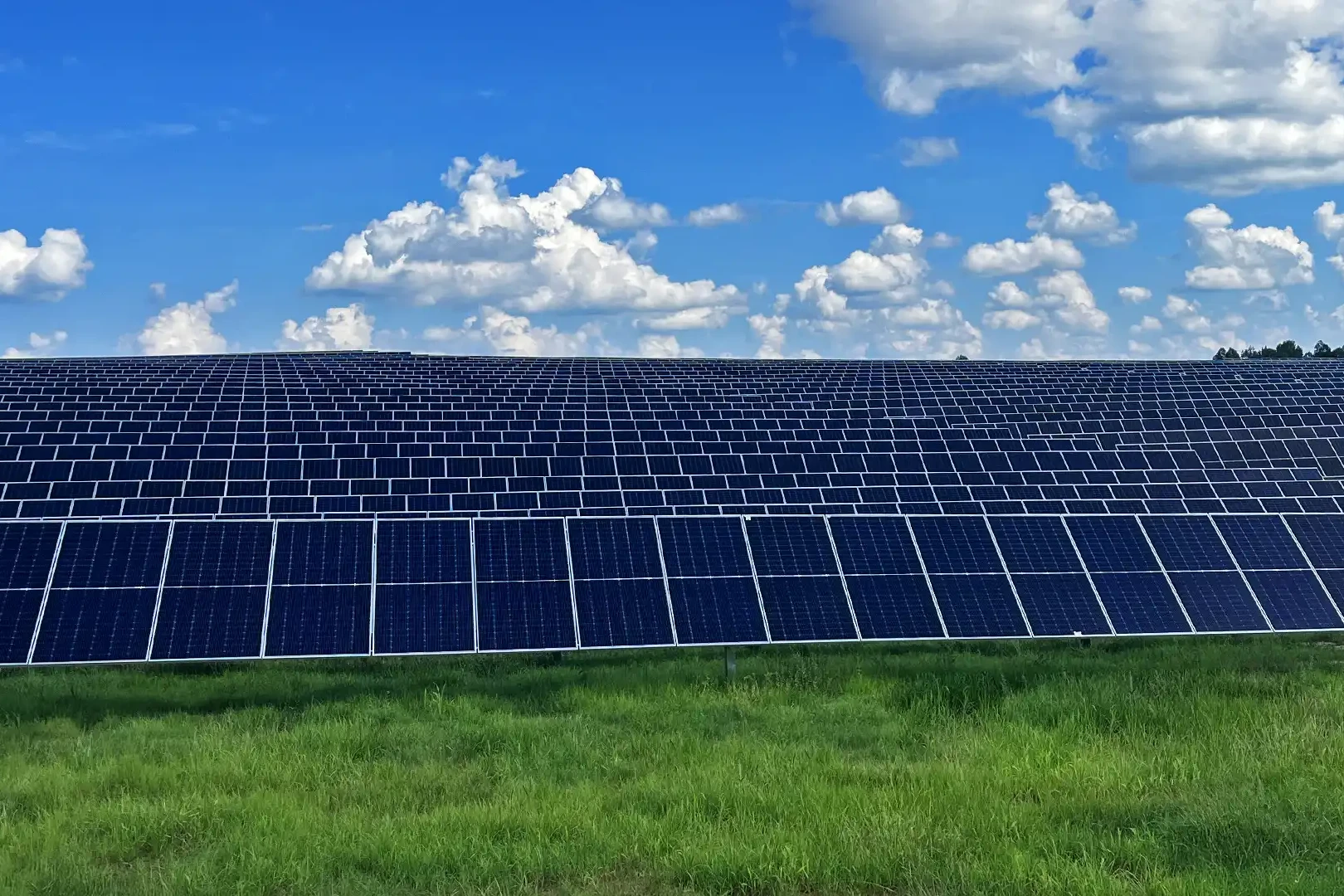
Utility-scale solar projects represent one of the most impactful ways to bring clean energy to communities and industries. The size and scope of these installations mean that every detail of the construction process has long-term consequences. One of the most important factors that determines the success of these projects is quality installation. Panels, trackers, and supporting systems must be installed with precision to maximize energy output, extend equipment life, and deliver consistent returns on investment.
This article explores why quality installation in utility-scale solar is critical, how it affects performance and reliability, and the practices that set leading solar contractors apart.
Why Quality Installation Matters in Utility-Scale Solar
Utility-scale solar projects are massive investments, often spanning hundreds of acres and generating hundreds of megawatts of electricity. In projects of this scale, even small mistakes during installation can have outsized effects on performance. A misaligned panel, improperly torqued connection, or poorly placed foundation can result in:
- Reduced energy output across the entire system
- Higher maintenance costs over the project’s lifetime
- Safety hazards for workers and operators
- Shortened lifespan of equipment
According to the U.S. Department of Energy, utility-scale solar requires rigorous quality standards not only to achieve expected energy production but also to support long-term grid reliability. Quality installation ensures that solar projects fulfill their promise of sustainable and dependable energy generation.
The Link Between Installation and Panel Performance
Each solar panel in a utility-scale project is engineered to produce optimal output under specific conditions. However, that potential is only realized if the panel is installed correctly. Panel tilt, azimuth angle, and structural stability all influence how much sunlight is captured throughout the day and across seasons.
For example:
- Tilt and orientation: Panels that are even a few degrees off their intended alignment may lose significant efficiency.
- Tracker calibration: Single-axis and dual-axis trackers must be set up with precision to follow the sun’s path accurately.
- Wiring and cabling: Improper terminations or poorly routed cables can lead to electrical losses or safety issues.
Reducing Long-Term Degradation
Solar panels naturally degrade over time, typically losing a fraction of their efficiency each year. However, poor installation practices can accelerate this degradation. Loose connections, uneven racking, or mechanical stress from misaligned supports can cause panels to fail earlier than expected.
By prioritizing quality installation, project owners protect their investment against unnecessary performance loss. A well-installed system can maintain higher levels of efficiency for decades, reducing the levelized cost of electricity (LCOE) and increasing overall returns.
Safety and Compliance
Safety is inseparable from quality in utility-scale solar installation. Improperly installed systems pose risks to both workers and the long-term operation of the facility. Grounding issues, electrical faults, or structural weaknesses can all create hazards.
Meeting and exceeding Occupational Safety and Health Administration (OSHA) standards ensures that projects protect both people and equipment during construction and operation. Comprehensive safety training, adherence to regulations, and rigorous inspections are core parts of a quality installation strategy.
Key Elements of Quality Installation
1. Site Preparation and Foundations
Before panels are installed, the site must be properly graded and foundations securely placed. Driven piles, ground screws, or other foundation systems need to be aligned within strict tolerances. Precision at this stage sets the foundation for the entire project’s success.
2. Mechanical Assembly
Racking and tracking systems must be assembled with accuracy to withstand wind, snow, and other environmental stresses. Bolts must be torqued to specification, and structural supports must remain level across the project footprint.
3. Panel Installation
Panels are mounted with attention to tilt and orientation. Installers must follow manufacturer guidelines to avoid damaging frames or glass. Each panel should be tested during and after installation to confirm it is performing as expected.
4. Electrical Work
Quality electrical installation involves careful wiring, correct polarity, and proper grounding. Connections are tested to minimize resistance and prevent faults. High-voltage safety measures protect both workers and equipment.
5. Commissioning and Testing
A comprehensive commissioning process validates that all components are functioning correctly. Performance tests, thermal imaging, and inspection checklists are used to verify that the system is ready to deliver reliable power.
The Role of Training and Workforce Expertise
A key part of quality installation is the expertise of the workforce. Specialized training for solar construction crews ensures that workers understand both the technical and safety aspects of their roles. Contractors who invest in training programs not only achieve higher quality but also reduce rework and delays.
Experienced crews can anticipate and solve on-site challenges, adapt to different terrain, and maintain productivity without sacrificing precision. This combination of speed and accuracy is essential for utility-scale projects that are often under tight deadlines.
How Quality Installation Benefits Stakeholders
For Developers
Developers gain confidence that their project will meet performance targets, satisfy investor expectations, and avoid costly rework.
For Owners and Operators
Owners benefit from lower maintenance costs, reduced downtime, and higher energy yields over the project’s lifespan.
For Communities
Communities see greater benefits from renewable energy projects when they are built to last. Quality installations support local reliability and contribute to decarbonization goals.
The Ansgar Approach to Quality Installation
At Ansgar Solar, quality installation is not a box to check. It is a standard that defines every stage of a project. From pile driving to commissioning, each step is carried out with precision, compliance, and accountability. By focusing on installation quality, Ansgar guarantees that each panel will perform to its fullest potential across its lifespan.
This approach means fewer issues down the road, greater return on investment for project owners, and clean energy that communities can rely on for decades.
Conclusion
Quality installation in utility-scale solar is more than just putting panels in the ground. It is a disciplined process that combines technical expertise, safety, and long-term vision. With the right practices and commitment to high standards, solar contractors can deliver projects that not only meet but exceed expectations.
Utility-scale solar is shaping the future of energy. By prioritizing quality installation, companies like Ansgar Solar are ensuring that this future is efficient, reliable, and sustainable.