
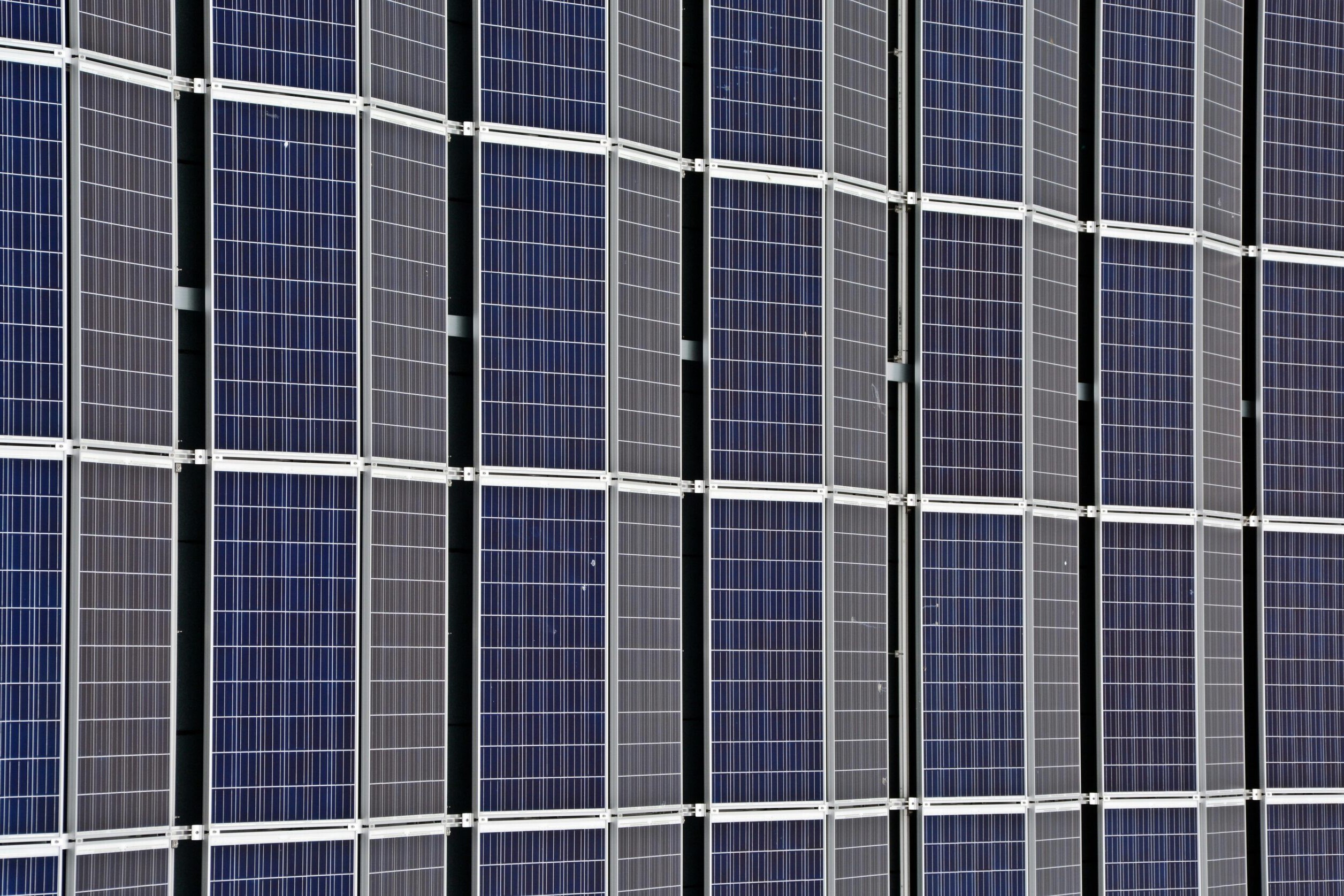
Designing utility scale solar projects involves far more than determining panel layout and electrical capacity. While energy production is often the primary focus during early planning, long-term maintainability is what ultimately determines whether a solar facility performs reliably, safely, and cost effectively throughout its operating life. Decisions made during the design phase directly influence access, maintenance labor requirements, downtime risk, and the total cost of ownership.
As utility scale solar continues to expand across the United States, asset owners, developers, and operators are placing increased emphasis on designing systems that remain serviceable over decades of operation. A well-designed project balances energy yield, constructability, safety, and long-term operational efficiency.
This article explores how designing utility scale solar projects with maintainability in mind supports long-term performance and reduces operational risk.
Why Maintainability Matters in Utility Scale Solar Design
Utility scale solar assets are typically expected to operate for 25 to 35 years. Over that lifespan, systems will require routine inspection, corrective maintenance, equipment replacement, and performance optimization. If maintainability is not considered during design, even minor maintenance activities can become labor intensive and disruptive.
Poor access routes, congested layouts, inadequate clearances, and limited staging areas can increase maintenance time and safety exposure. In contrast, thoughtful design choices improve technician efficiency, reduce downtime, and support consistent energy production.
Designing utility scale solar projects for maintainability allows owners to protect their investment while supporting safer and more predictable operations.
Site Layout and Access Planning
One of the most critical elements of maintainable solar design is site access. Roads, drive aisles, and equipment paths should support both construction and long-term operations.
Access considerations include:
- All weather access roads capable of supporting service vehicles
- Clear drive aisles between tracker rows
- Turning radii that accommodate maintenance trucks and lifts
- Emergency access for fire and rescue services
Poor access planning often forces maintenance crews to travel long distances on foot or operate equipment in unsafe conditions. The Occupational Safety and Health Administration emphasizes the importance of safe access and material handling in construction and maintenance environments, reinforcing the need for accessible solar layouts from the outset.
Equipment Spacing and Clearances
Designing utility scale solar projects requires careful consideration of spacing around key components. Inverters, transformers, combiner boxes, and tracker motors must be positioned to allow safe inspection and repair.
Adequate clearances support:
- Lockout and tagging procedures
- Safe use of tools and lifting equipment
- Efficient replacement of failed components
- Reduced risk of electrical and mechanical hazards
Crowded layouts may appear efficient on paper but often result in increased labor time and elevated safety risk during maintenance activities.
Electrical System Design for Serviceability
Electrical systems represent one of the most maintenance intensive aspects of utility scale solar projects. Designing these systems with serviceability in mind improves troubleshooting speed and reduces outage duration.
Best practices include:
- Logical circuit grouping and labeling
- Accessible conduit routing and junction points
- Clearly defined isolation points
- Redundancy where appropriate to limit system wide impacts
Tracker System Selection and Layout
Considerations include:
- Availability of replacement parts
- Ease of actuator access
- Simplicity of control systems
- Resistance to wind, soil movement, and corrosion
The physical layout of tracker rows also affects maintainability. Adequate spacing allows technicians to access motors and bearings without dismantling surrounding equipment.
Drainage and Erosion Control
Long-term maintainability is closely tied to site stability. Poor drainage design can lead to erosion, standing water, and road degradation that complicates maintenance access.
Design elements that support maintainability include:
- Grading that promotes natural water flow
- Stabilized access roads and slopes
- Vegetative ground cover or engineered erosion controls
- Drainage structures sized for local rainfall conditions
Addressing these factors during design reduces long-term repair costs and protects electrical infrastructure from moisture related damage.
Safety Integration in Design
Maintenance activities expose workers to electrical, mechanical, and environmental hazards. Designing utility scale solar projects with safety integrated into the layout reduces these risks.
Safety focused design considerations include:
- Clear separation between energized and non energized areas
- Safe working distances around high voltage equipment
- Defined walkways and service zones
- Adequate lighting for inspection and repair
Documentation and Asset Management Support
Design decisions also affect the quality of documentation provided to owners and operators. Clear as built drawings, equipment schedules, and maintenance manuals allow operations teams to respond quickly to issues.
Designing utility scale solar projects with standardized documentation practices improves:
- Maintenance planning
- Spare parts management
- Warranty administration
- Training for new personnel
Poor documentation often leads to extended outages as teams attempt to identify system configurations long after construction is complete.
Planning for Future Modifications
Utility scale solar projects often evolve over time. Repowering, technology upgrades, and system expansions are common as market conditions and technology advance.
Maintainable design allows for:
- Replacement of aging components
- Integration of energy storage systems
- Adaptation to updated interconnection requirements
- Improved monitoring and controls
Designing flexibility into layouts and electrical systems reduces disruption when modifications are required.
Long-Term Value of Maintainable Solar Design
Designing utility scale solar projects with maintainability in mind benefits every stakeholder. Owners experience lower operating costs and improved asset performance. Operators work in safer, more efficient environments. Developers strengthen their reputations by delivering assets that perform reliably beyond initial commissioning.
While maintainability may not always be visible in early financial models, it becomes one of the most important drivers of long-term project success.
Conclusion
Designing utility scale solar projects is not solely about maximizing initial energy output. It is about creating systems that can be safely, efficiently, and economically maintained for decades. Thoughtful decisions related to access, layout, electrical design, safety, and documentation play a direct role in long-term performance and reliability.
By prioritizing maintainability during the design phase, solar projects are better positioned to deliver consistent energy, control operational costs, and protect asset value throughout their operating life.