
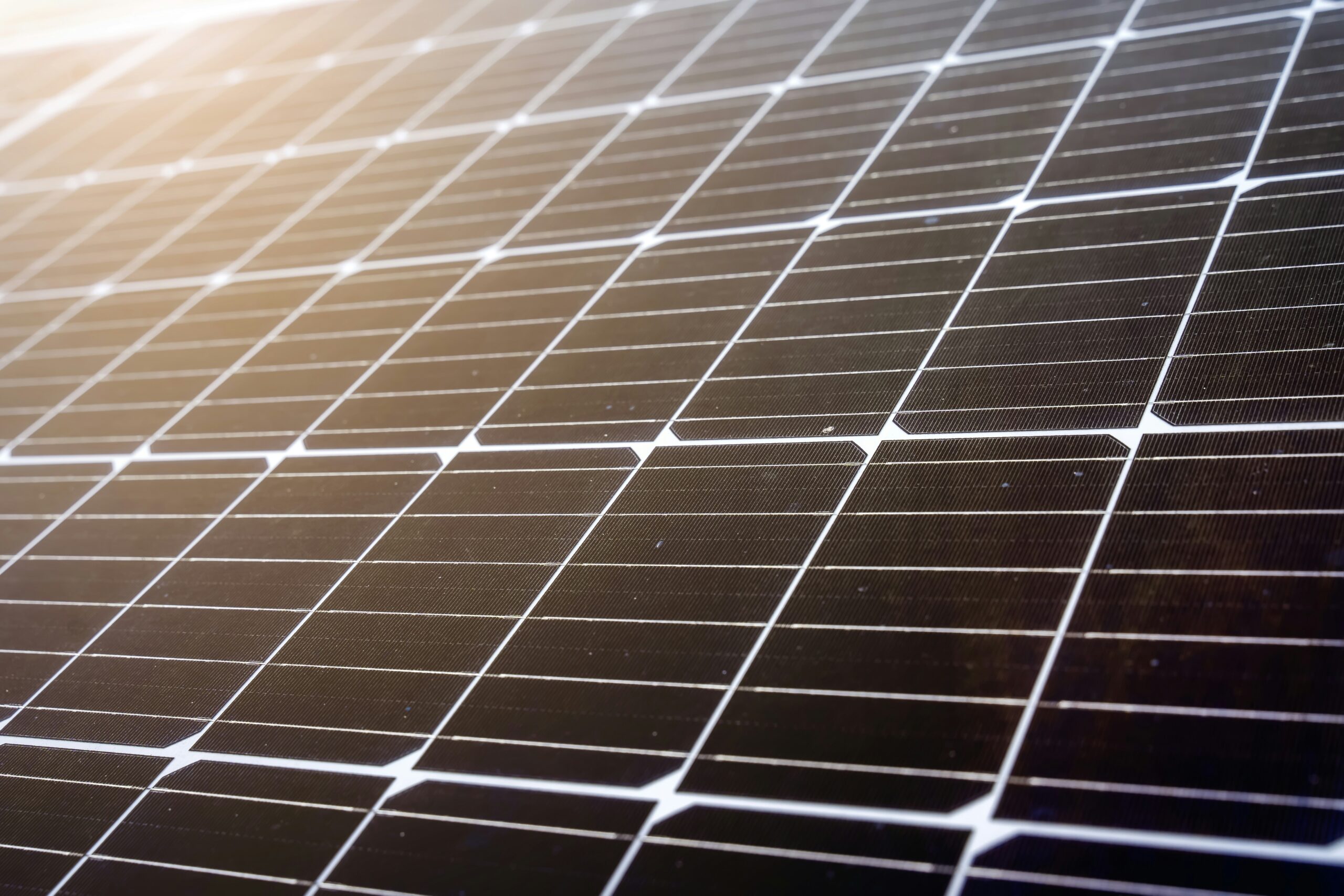
Utility scale solar projects continue to push for higher output, improved performance, and stronger return on investment. One of the most effective ways to achieve these goals is by implementing tracker technology. Maximizing Energy Production with Tracker Systems has become a core strategy across large scale solar developments because trackers allow photovoltaic modules to follow the sun throughout the day, increasing total energy capture and improving project economics.
For companies like Ansgar Solar that deliver utility scale installations including pile driving, tracker systems, and module installation, tracker technology plays a central role in maximizing site performance. When properly designed, installed, and commissioned, tracker systems can significantly increase energy production while improving land use efficiency and overall project value.
This article explores how tracker systems work, why they increase solar output, and how developers can optimize projects to maximize energy production with tracker systems.
What Are Solar Tracker Systems
Solar tracker systems automatically move photovoltaic panels to follow the sun’s position throughout the day. Unlike fixed tilt systems that remain in a static position, tracker systems rotate modules to maintain a more direct angle to sunlight, which increases energy capture.
The U.S. Department of Energy explains that tracking mechanisms move panels across the sky, providing more energy and improving returns compared to fixed installations.
There are two primary types of tracker systems used in utility scale solar projects:
Single Axis Trackers
Single axis trackers rotate east to west, following the sun throughout the day. These systems are the most commonly used in large scale solar installations due to their balance of performance and cost.
Dual Axis Trackers
Dual axis trackers move both east to west and north to south, maintaining optimal alignment with the sun year round. These systems offer maximum performance but typically involve higher costs and increased mechanical complexity.
Both technologies are used when maximizing energy production with tracker systems is a priority.
How Tracker Systems Increase Energy Production
Tracker systems improve energy output by minimizing the angle between incoming sunlight and the solar panel surface. This allows panels to capture more direct irradiance throughout the day.
Additional research shows tracker systems can increase overall energy yield by approximately 20 to over 40 percent depending on location, system design, and climate conditions.
These gains occur because trackers:
- Capture more morning and afternoon sunlight
- Maintain optimal panel orientation
- Reduce cosine losses
- Increase annual capacity factor
- Improve energy density per acre
- Extend production hours
For utility scale solar farms, these improvements translate directly into higher project revenue and improved levelized cost of energy.
Why Utility Scale Solar Uses Tracker Systems
Most modern utility scale solar farms now use tracker technology as a standard design approach. The reason is simple: maximizing energy production with tracker systems leads to stronger project economics.
Key benefits include:
Higher Annual Energy Output
Tracker systems produce more electricity from the same installed capacity, increasing total project output.
Improved Land Use Efficiency
More energy per acre reduces land requirements and improves site value.
Better Production Profile
Tracker systems flatten the production curve, capturing more energy during early morning and late afternoon hours when electricity demand can be higher.
Lower Levelized Cost of Energy
Higher production lowers cost per megawatt hour over the life of the project.
Increased Revenue Potential
More energy production means stronger long term returns for project owners.
These advantages explain why maximizing energy production with tracker systems has become the preferred approach for large scale solar developments.
Design Factors That Maximize Tracker Performance
Installing trackers alone does not automatically guarantee maximum output. Proper engineering and construction practices are required to fully optimize performance.
Site Layout Optimization
Terrain Considerations
Sloped sites require specialized tracker designs to maintain alignment and structural stability. Proper pile driving and foundation installation are critical.
Wind Design
Tracker systems must be engineered for site specific wind conditions. Stow angles and structural design protect equipment while maintaining production.
Backtracking Algorithms
Modern trackers use backtracking to reduce row to row shading. This improves energy production during early and late hours.
Module Selection
Bifacial modules combined with tracker systems can further increase output by capturing reflected light from the ground.
Studies show bifacial modules in single axis tracking systems can increase energy yield by an additional 4 to 15 percent depending on site conditions.
When these factors are considered together, projects can significantly improve performance and maximize energy production with tracker systems.
Construction Considerations for Tracker Systems
Tracker systems require precise construction practices to perform correctly. Installation quality directly impacts long term production.
Pile Installation Accuracy
Tracker systems rely on uniform pile placement. Misalignment can reduce performance and create mechanical stress.
Torque Tube Alignment
Improper alignment can reduce tracking accuracy and increase wear.
Foundation Stability
Stable foundations maintain tracker geometry and performance over time.
Electrical Coordination
Tracker wiring and control systems must be installed correctly for reliable operation.
Commissioning and Calibration
Proper commissioning ensures trackers follow solar paths accurately.
Ansgar Solar’s experience with pile driving, tracker installation, and module placement supports maximizing energy production with tracker systems across utility scale projects.
Single Axis vs Dual Axis for Maximizing Energy Production
Both tracker types improve production, but each has different advantages.
Single Axis Trackers
- Lower cost
- Simpler mechanics
- Proven reliability
- Ideal for utility scale solar
- Strong energy gains
Dual Axis Trackers
- Maximum solar alignment
- Higher energy output
- More complex design
- Higher installation cost
- Typically used for specialty applications
Most large solar farms choose single axis trackers because they provide strong performance gains with lower cost and complexity.
Operational Benefits of Tracker Systems
Beyond production gains, tracker systems also improve operational performance.
Reduced Curtailment Risk
Higher output during off peak hours improves grid integration.
Improved Inverter Utilization
Flattened production curve maximizes inverter use.
Better Temperature Performance
Trackers reduce heat buildup by adjusting panel angles.
Improved Snow Shedding
Tilt capability helps remove snow accumulation.
Maintenance Accessibility
Tracker spacing often improves access for service crews.
These operational benefits further support maximizing energy production with tracker systems.
Future Trends in Tracker Technology
Tracker technology continues to evolve as solar projects grow larger and more sophisticated.
Emerging improvements include:
- Smart tracking algorithms
- AI driven optimization
- Wind stow automation
- Terrain following trackers
- Bifacial optimization
- Row level control systems
- Integrated monitoring platforms
These advancements will continue improving energy production and project reliability.
Why Tracker Systems Are Critical for Utility Scale Solar
Utility scale solar projects depend on maximizing output to remain competitive. Tracker systems allow developers to produce more electricity from the same footprint.
By increasing energy yield, improving performance, and optimizing land use, tracker systems provide one of the most effective ways to enhance solar project economics.
Maximizing energy production with tracker systems requires the right combination of engineering, construction, and commissioning expertise. Proper installation, alignment, and calibration ensure trackers deliver their full performance potential.
Maximizing Energy Production with Tracker Systems
Tracker technology has transformed utility scale solar design. By allowing modules to follow the sun, these systems significantly increase energy capture and improve project performance.
When properly designed and installed, tracker systems:
- Increase annual energy production
- Improve land efficiency
- Reduce cost per megawatt hour
- Extend production hours
- Improve project economics
- Support long term reliability
For developers building large scale solar farms, maximizing energy production with tracker systems is no longer optional. It is a core design strategy.
Ansgar Solar supports this approach with experience in pile driving, tracker installation, and utility scale construction. From site preparation through commissioning, properly installed tracker systems help deliver higher performing solar projects and long term energy production gains.