
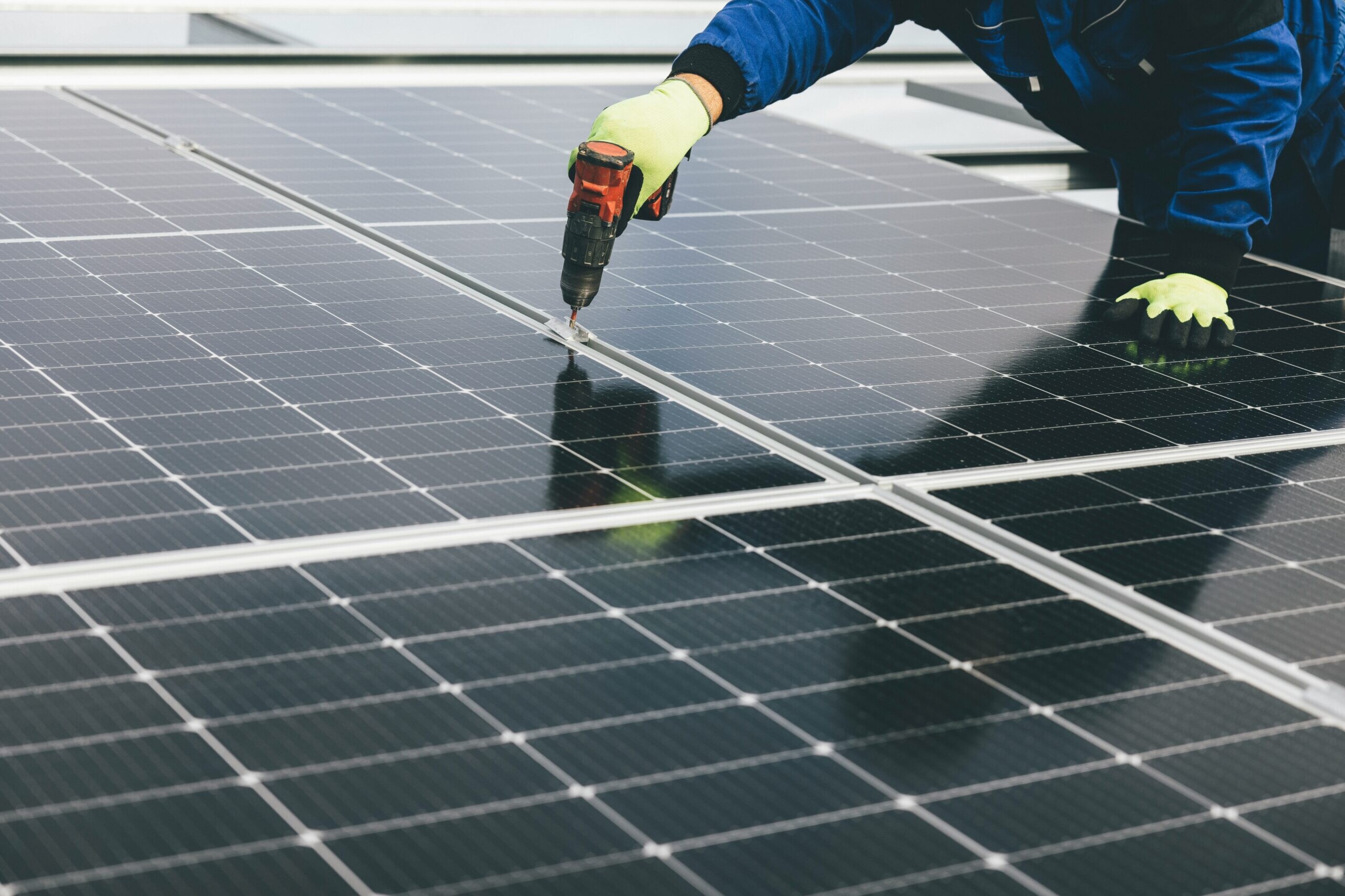
Solar construction is increasingly taking place at facilities that cannot afford downtime. Manufacturers, industrial plants, distribution centers, and processing facilities often operate around the clock. These sites depend on tight production schedules, safety compliance, and uninterrupted workflows. When solar construction is introduced into these environments, success depends on more than installing panels and racking. It requires a construction strategy that aligns with active operations.
Solar construction with ongoing operations demands careful planning, disciplined execution, and clear coordination between construction teams and facility leadership. When done correctly, solar projects move forward without interfering with production goals, safety requirements, or day to day business activities.
Understanding the Challenges of Active Facility Solar Construction
Active facilities present unique challenges that differ significantly from greenfield or vacant land solar projects. Production schedules cannot pause to accommodate construction. Employees, equipment, and logistics traffic remain active throughout the project lifecycle. Any misstep can result in safety incidents, lost productivity, or unplanned shutdowns.
Common challenges include limited work windows, restricted access areas, noise and vibration concerns, material staging constraints, and coordination with facility maintenance teams. Construction activities must also comply with internal safety policies that often exceed standard regulatory requirements.
Solar construction with ongoing operations requires contractors who understand how to work within these constraints without compromising progress or quality.
Early Coordination Sets the Foundation for Success
The most effective solar projects at active facilities begin with early contractor involvement. Construction teams that engage during planning phases can identify operational risks before work begins. This includes mapping facility workflows, identifying critical production zones, and aligning construction sequencing with operational priorities.
Coordination meetings with plant managers, safety officers, and maintenance supervisors allow solar contractors to understand peak production periods, shift schedules, and restricted access times. These insights help shape a construction plan that minimizes interference while maintaining steady progress.
According to the U.S. Department of Energy, early coordination between energy project developers and facility operators is one of the most effective ways to reduce risk and improve project outcomes for onsite energy installations. This approach is especially important for industrial and manufacturing environments where operational continuity is critical.
Phased Construction Planning Around Operations
Phasing is a critical strategy for solar construction with ongoing operations. Instead of attempting to complete work across an entire site simultaneously, projects are divided into manageable phases that align with operational realities.
For rooftop solar, this might mean installing systems in sections during planned maintenance windows or off shift hours. For ground mounted or carport systems, phasing allows construction to move through designated zones without disrupting traffic flow or logistics operations.
Phased planning also enables facility teams to adapt gradually to construction activity. This reduces risk, improves safety awareness, and maintains operational stability throughout the project.
Safety Integration Beyond Standard Compliance
Active facilities often operate under strict safety protocols tailored to their specific processes. Solar construction teams must integrate seamlessly into these environments by aligning with site specific safety plans, permit systems, and training requirements.
This includes participating in facility safety orientations, complying with lockout and tagout procedures, and coordinating daily job hazard analyses with plant safety staff. Construction activities must also account for confined spaces, hazardous materials, and equipment movement unique to each facility.
The Occupational Safety and Health Administration emphasizes the importance of coordinating contractor safety programs with host employers to reduce workplace hazards and protect all personnel. Solar contractors who understand and respect these requirements create safer job sites and stronger working relationships.
Scheduling Strategies That Protect Production
Scheduling is one of the most critical elements of solar construction with ongoing operations. Successful projects align construction activities with operational rhythms rather than competing against them.
This may involve night or weekend work, short duration tasks scheduled during shift changes, or limiting high impact activities during peak production periods. Clear communication ensures facility teams understand when construction will occur and what to expect during each phase.
Flexible scheduling also allows contractors to respond quickly to operational changes. If production demands shift or unexpected maintenance issues arise, construction plans can adjust without creating conflict or delays.
Material Management and Site Logistics
Active facilities rarely have excess space available for construction staging. Material deliveries, equipment storage, and waste removal must be carefully planned to avoid interfering with operations.
Solar construction teams often coordinate just in time deliveries to minimize onsite storage needs. Equipment is staged in designated areas approved by facility management. Clear access routes are maintained for employees, emergency vehicles, and logistics traffic.
Effective material management keeps job sites organized, improves safety, and reduces the likelihood of operational disruptions.
Communication Drives Alignment and Trust
Consistent communication is essential when construction and operations occur simultaneously. Daily coordination meetings, progress updates, and clear points of contact help prevent misunderstandings and maintain alignment.
Facility teams should always know what work is happening, where crews will be located, and how activities may affect operations. Construction teams benefit from timely feedback and access to facility leadership when questions or challenges arise.
This level of transparency builds trust and allows solar projects to move forward smoothly even in complex operational environments.
Protecting Equipment and Infrastructure
Active industrial sites often contain sensitive equipment, critical utilities, and complex infrastructure. Solar construction activities must account for these systems to prevent accidental damage or downtime.
Protective barriers, clearly marked exclusion zones, and coordinated utility tie ins help safeguard critical assets. Contractors work closely with facility maintenance teams to understand infrastructure layouts and avoid conflicts during installation.
Solar construction with ongoing operations requires precision and respect for the existing environment.
Delivering Long Term Value Without Short Term Disruption
When solar projects are executed with operational awareness, the result is long term energy resilience without short term disruption. Facilities benefit from reduced energy costs, improved sustainability metrics, and enhanced resilience while maintaining uninterrupted production.
Experienced solar contractors understand that success is measured not only by system performance but by how seamlessly construction integrates into daily operations.
Why Experience Matters in Active Facility Solar Construction
Solar construction with ongoing operations is not suited for inexperienced teams. It requires disciplined planning, skilled field leadership, and a proven ability to work within complex operational environments.
Contractors with experience in industrial and commercial settings bring a deeper understanding of safety, scheduling, and coordination. This experience reduces risk, protects production, and delivers higher confidence outcomes for facility owners.
Building Solar Without Slowing Business
As more manufacturers and industrial facilities pursue onsite solar, the ability to build without disrupting operations becomes a key differentiator. Solar construction with ongoing operations allows businesses to move forward with clean energy goals while maintaining productivity and safety.
With early coordination, phased planning, integrated safety programs, and disciplined execution, solar projects can be completed successfully in even the most demanding operational environments.