
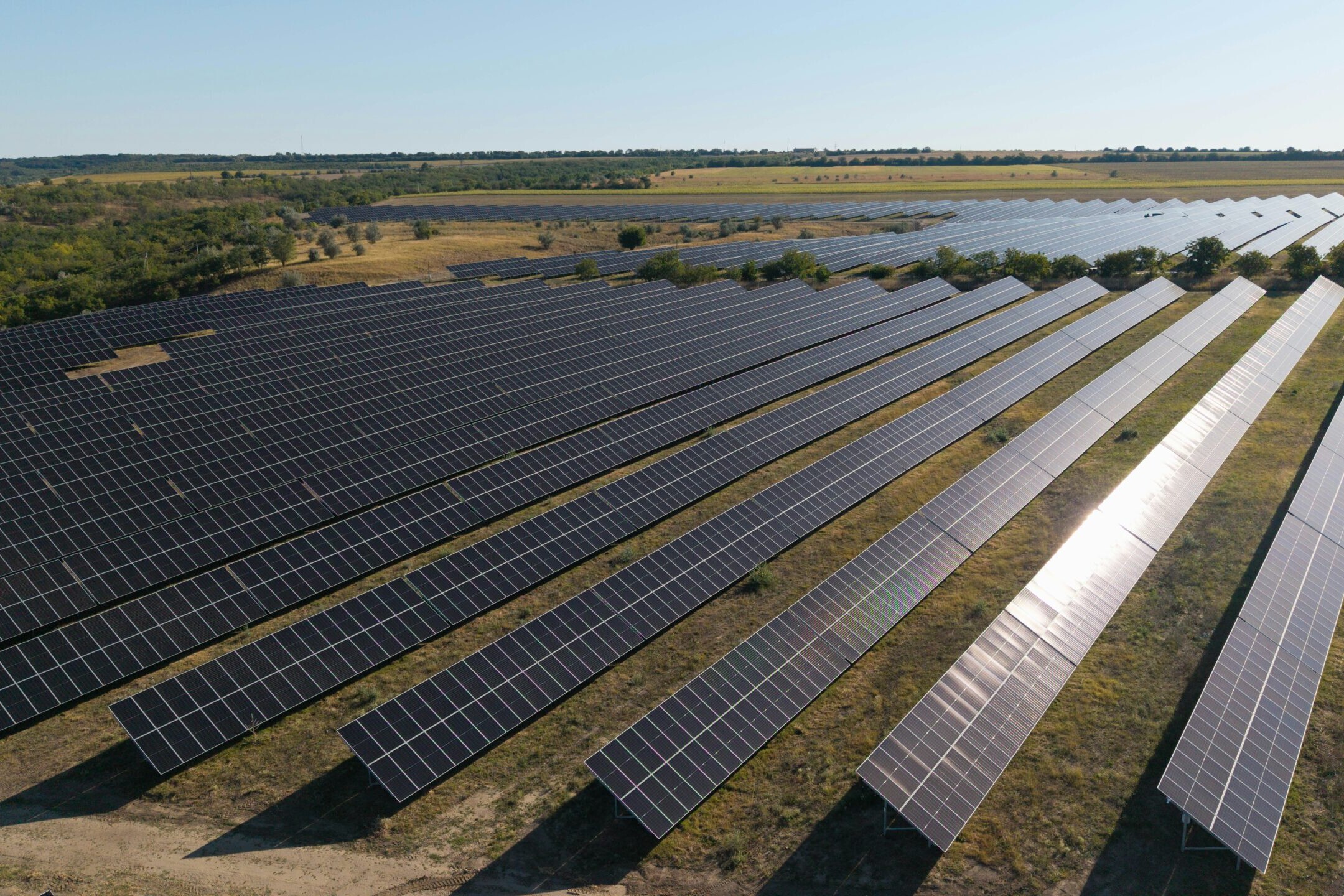
Multi State Large Solar Projects are rapidly becoming the foundation of America’s renewable energy expansion. Developers, EPCs, and construction partners are no longer focused on single solar sites. Instead, they manage dozens of projects across different states simultaneously, each with unique terrain, regulations, labor markets, and grid interconnection requirements.
At Ansgar Solar, our experience delivering large-scale renewable infrastructure gives us deep insight into how to keep multi state solar portfolios efficient, compliant, and high-performing. This article explores how Multi State Large Solar Projects are structured, the challenges involved, and how disciplined coordination transforms complexity into reliability.
Understanding Multi State Large Solar Projects
A Multi State Large Solar Project is not just a collection of solar farms built in different regions. It is a connected program where scheduling, logistics, procurement, and labor planning are managed as one cohesive framework.
When executed properly, this model allows renewable developers to:
- Standardize construction practices and safety programs
- Streamline permitting and interconnection documentation
- Reduce equipment costs through volume purchasing
- Maintain predictable delivery schedules
- Scale workforce deployment across regional markets
However, the differences between state regulations, weather conditions, and permitting processes mean that a project model must be flexible and well-governed.
The Core Challenge of Multi State Large Solar Projects
Each state introduces new rules, environmental standards, and logistical conditions. For example, New Mexico and Texas may have similar solar resources, but their soil profiles, trucking regulations, and stormwater management requirements vary dramatically.
These differences multiply when a developer is running ten or more large solar sites at once. Without an integrated management approach, misalignment between states can lead to cost overruns and schedule delays.
Ansgar Solar addresses these challenges through a repeatable program management structure that balances consistency and adaptability.
Program Management Across Multiple States
For Multi State Large Solar Projects, central coordination is essential. A Program Management Office (PMO) acts as the hub, setting standardized tools, templates, and reporting structures while allowing field teams in each state the flexibility to meet local requirements.
Key elements include:
- Unified Work Breakdown Structure (WBS)
Every site follows the same activity codes for clearing, access roads, pile installation, racking, electrical wiring, and commissioning. This uniformity enables portfolio-wide scheduling and reporting. - Standardized Scheduling and Reporting Tools
Using consistent templates and shared software, project managers can easily compare progress between sites in North Carolina, Georgia, and Texas. - Cross-Site Lessons Learned
Field innovations and efficiency improvements discovered in one state are documented and shared across all projects, reducing rework and improving speed. - Quality Documentation Framework
Inspection reports, torque records, and commissioning test results use a single format across the entire program, accelerating owner review and approval.
Permitting and Regulatory Compliance Across States
Multi State Large Solar Projects face diverse permitting landscapes. State and county agencies each require unique documentation for environmental protection, stormwater management, and utility interconnection.
To maintain momentum, Ansgar Solar prepares early with a compliance playbook for every state. This includes:
- Pre-approved Stormwater Pollution Prevention Plan (SWPPP) templates
- Environmental mapping to identify wetlands and sensitive habitats
- Documentation tracking for every authority having jurisdiction (AHJ)
By working from a standardized foundation, we can satisfy local requirements while keeping approvals moving.
For national guidance, the U.S. Department of Energy (DOE) provides detailed information on state solar permitting and development programs through its Solar Energy Technologies Office.
Logistics and Material Handling in Multi State Solar Projects
Coordinating materials across multiple states is one of the largest operational challenges. Multi state programs must manage thousands of truckloads of steel piles, tracker systems, electrical cable, and modules without congestion or damage.
Ansgar Solar uses a regional logistics model to support Multi State Large Solar Projects, which includes:
- Regional Distribution Yards to store, stage, and pre-inspect materials
- Demand Planning across all project sites to prevent shortages or over-ordering
- Pre-Kitting components so field crews receive ready-to-install bundles
- Shared Equipment Fleets allowing cranes and pile drivers to rotate between projects
This approach reduces downtime, improves cost efficiency, and keeps the overall solar construction schedule on track.
Workforce Planning and Mobility
A scalable labor model is crucial for Multi State Large Solar Projects. Each site needs a blend of local labor for general construction and specialized technicians for electrical and commissioning work.
Ansgar Solar’s workforce strategy combines:
- Traveling Core Crews trained in racking, tracker installation, and quality verification
- Local Workforce Development Partnerships that engage nearby communities
- Consistent Safety and Training Programs recognized across all state sites
This model balances consistency with regional flexibility. Crews can move between states while maintaining uniform safety, quality, and documentation standards.
Quality Assurance and Testing Consistency
Maintaining consistent quality across multiple states requires strong verification systems. Ansgar Solar uses digital quality control documentation across all projects, providing real-time visibility into field progress.
Key steps include:
- First-Article Inspections on new sites to validate installation methods
- Digital Torque and Electrical Testing Records that store data centrally
- Daily QC Dashboards showing pass/fail rates by crew and state
- Cross-Site Supplier Feedback to prevent recurring component issues
Interconnection and Commissioning Across Multiple States
One of the final hurdles in Multi State Large Solar Projects is coordinating interconnection and commissioning with multiple utilities and grid operators.
Ansgar Solar develops commissioning procedures that are standardized across all projects but flexible enough to align with each utility’s process. Typical elements include:
- Pre-functional equipment testing for trackers, inverters, and transformers
- Verification of string continuity, insulation resistance, and grounding
- Integration of SCADA systems and network connectivity
- Complete documentation and handover packages for owner review
Using one unified approach reduces utility punch lists and accelerates power delivery to the grid.
Risk Management and Portfolio Resilience
Multi state operations multiply risk exposure. Weather patterns, labor shortages, and material delays can vary by region. Ansgar Solar mitigates this by:
- Conducting program-wide risk workshops for each phase
- Maintaining shared spare parts inventories
- Building float into the schedule between state mobilizations
- Creating contingency crews trained to fill labor gaps
This proactive approach keeps projects aligned with power purchase agreement (PPA) milestones even when unexpected delays occur.
Sustainability and Local Engagement
Large solar portfolios must also meet sustainability and community expectations. Each project impacts local ecosystems, roads, and workforces.
Ansgar Solar incorporates:
- Stormwater and Sediment Controls meeting EPA and state guidelines
- Packaging Recycling Programs to reduce construction waste
- Vegetation Management Plans to stabilize soil and control erosion
- Local Hiring Initiatives to strengthen community partnerships
By managing these elements at both the program and site levels, Ansgar Solar supports responsible growth across every state we operate in.
The Benefits of a Multi State Solar Approach
Well-managed Multi State Large Solar Projects deliver measurable advantages:
- Lower total installed costs through standardization and scale
- Faster mobilization from shared templates and equipment
- Streamlined permitting through pre-approved documentation
- Stronger quality control and reporting transparency
- Predictable portfolio-wide completion dates
These advantages make multi state programs one of the most effective pathways for achieving national renewable energy goals.
Ansgar Solar’s Multi State Advantage
At Ansgar Solar, we specialize in the execution of Multi State Large Solar Projects that demand precision, compliance, and speed. Our structure unites program-level oversight with state-specific adaptability. Whether managing five or twenty sites, our integrated approach allows owners to maintain control, consistency, and profitability across all project phases.
We believe that every megawatt built should contribute not only to cleaner energy but also to stronger communities and a more resilient grid.