
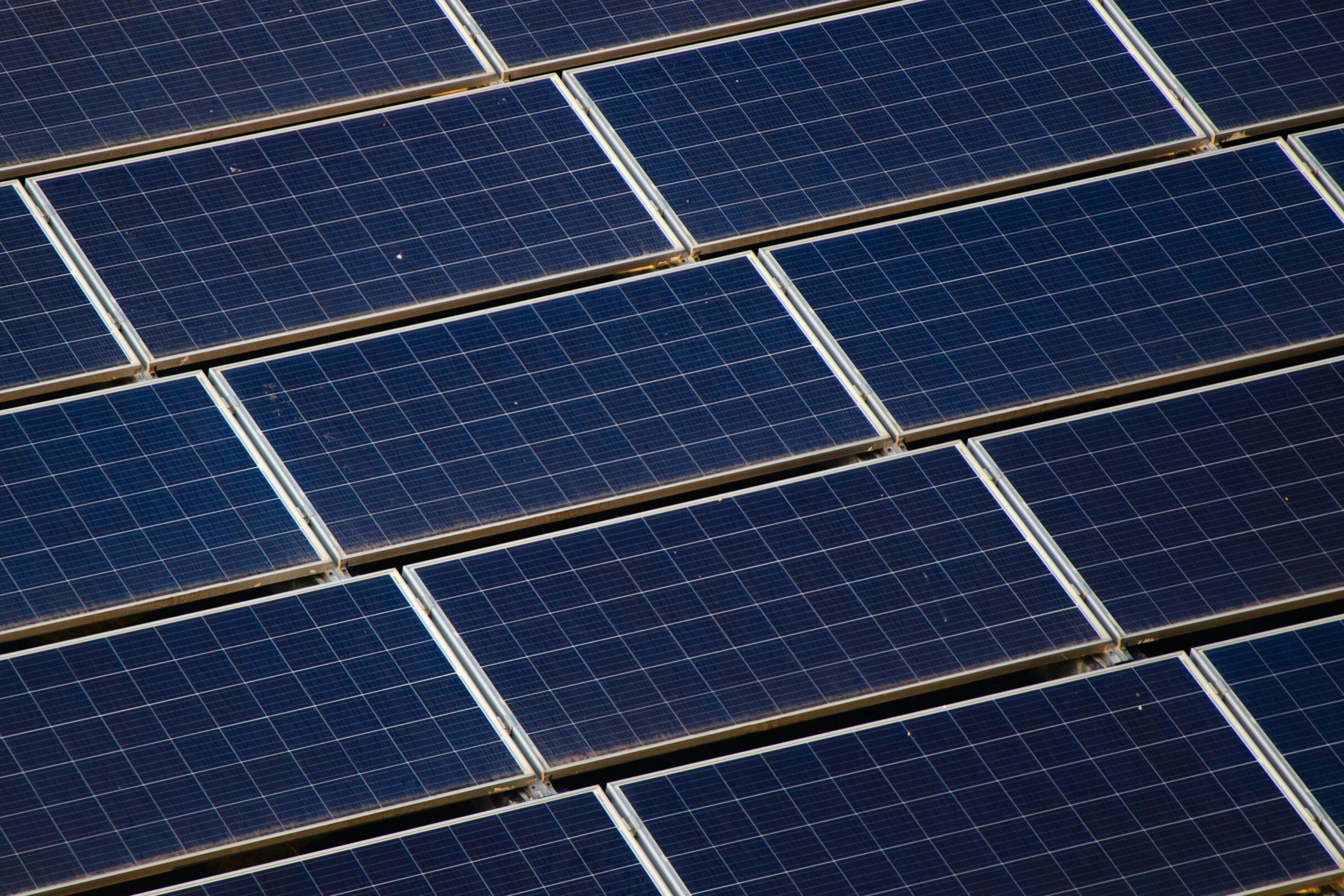
Utility-scale solar projects are a cornerstone of the clean energy transition. These large solar power installations generate electricity at a scale sufficient to supply power grids or large industrial users. However, developing and operating utility-scale solar farms involves navigating a complex web of regulatory requirements. Understanding regulatory compliance for utility-scale solar is crucial for project developers, investors, and operators to avoid costly delays, penalties, or operational disruptions.
In this blog, we will break down the key aspects of regulatory compliance relevant to utility-scale solar projects. We will cover federal, state, and local requirements, highlight important permits and standards, and provide practical guidance to keep projects on track.
Why Regulatory Compliance Matters for Utility-Scale Solar
Regulatory compliance ensures that solar projects meet safety, environmental, and operational standards established by government agencies. These regulations are designed to:
- Protect public health and safety
- Minimize environmental impact
- Ensure grid reliability and security
- Maintain fair market operations
Failure to comply with regulations can result in fines, work stoppages, forced redesigns, and even legal action. Compliance also builds trust with stakeholders such as communities, utilities, and regulators, smoothing project approval and operation.
Key Federal Regulatory Bodies and Requirements
Several federal agencies oversee different aspects of utility-scale solar projects:
1. Federal Energy Regulatory Commission (FERC)
FERC regulates the interstate transmission of electricity, natural gas, and oil. For solar projects that connect to the transmission grid, FERC oversees market participation, reliability standards, and interconnection agreements.
2. U.S. Environmental Protection Agency (EPA)
EPA enforces environmental regulations under laws such as the Clean Water Act and Clean Air Act. Solar projects must comply with rules concerning stormwater management, wetlands protection, and air emissions during construction and operation.
3. Bureau of Land Management (BLM)
For solar farms on federal land, the BLM manages land use authorizations and environmental assessments. Developers must obtain rights-of-way and conduct environmental impact statements.
Important Permits for Utility-Scale Solar
Securing the right permits is a critical step in regulatory compliance. Common permits include:
1. Construction Permits
Local building permits and inspections ensure that construction adheres to safety codes, including electrical, structural, and fire codes.
2. Environmental Permits
These include permits related to water discharge, air quality, endangered species protection, and historical or cultural resource preservation.
3. Interconnection Agreements
4. Operation and Maintenance Permits
Some jurisdictions require ongoing permits or reporting related to operational emissions, noise, or land use.
State and Local Regulations
Utility-scale solar projects must also comply with state and local regulations, which vary widely. These often include:
- Land use zoning and site planning approvals
- Environmental impact reviews
- Stormwater management regulations
- Wildlife and habitat protection rules
- Safety inspections
Developers should consult state energy offices and local planning departments early in the process to understand specific requirements.
Navigating the Environmental Review Process
Environmental reviews are often among the most time-consuming aspects of regulatory compliance. Depending on the project’s size and location, reviews may follow:
- National Environmental Policy Act (NEPA) processes for federal land or federally funded projects
- State-level environmental policy acts or environmental impact statements
- Local environmental assessments
The goal is to identify and mitigate potential impacts on water resources, wildlife, vegetation, soil, and cultural sites. Early engagement with environmental consultants and regulators can streamline this process.
Compliance with Safety and Technical Standards
Utility-scale solar projects must meet various safety and technical standards, including:
- National Electrical Code (NEC) compliance for electrical safety
- Structural standards for mounting systems and trackers
- Fire safety protocols
- Occupational safety requirements during construction and maintenance
Adherence to standards developed by organizations such as the Institute of Electrical and Electronics Engineers (IEEE) and Underwriters Laboratories (UL) is also important.
Best Practices to Ensure Regulatory Compliance
To successfully navigate regulatory compliance for utility-scale solar, developers should consider the following practices:
1. Early and Continuous Engagement with Regulators
Engaging regulatory agencies early helps clarify requirements, identify potential issues, and build cooperative relationships.
2. Comprehensive Documentation and Record-Keeping
Maintain detailed records of permits, inspections, communications, and compliance actions to demonstrate due diligence.
3. Integrated Project Planning
Incorporate regulatory requirements into project schedules and budgets to avoid surprises and delays.
4. Use of Environmental and Legal Experts
Consultants with expertise in environmental law, permitting, and technical standards can help interpret and comply with complex rules.
5. Community Outreach and Transparency
Engaging local communities and stakeholders promotes goodwill and can ease regulatory approval.
Recent Developments Impacting Utility-Scale Solar Compliance
The regulatory landscape for solar projects is evolving. Recent developments include:
- Increased focus on environmental justice, requiring developers to consider impacts on disadvantaged communities.
- New grid reliability standards emphasizing cybersecurity and operational coordination.
- Enhanced state incentives tied to stringent compliance and reporting standards.
Keeping current with changes is essential for ongoing and future projects.
Resources for Regulatory Guidance
Two valuable resources for utility-scale solar compliance include:
- The U.S. Department of Energy’s Solar Energy Technologies Office (SETO) provides guidance and resources for project developers on permitting and compliance.
- The Database of State Incentives for Renewables & Efficiency (DSIRE) offers a comprehensive catalog of state and federal incentives, policies, and regulations.
These sites provide updated, authoritative information to help navigate regulatory requirements.
Conclusion
Regulatory compliance for utility-scale solar is a multifaceted challenge requiring careful attention to federal, state, and local laws. By understanding the key agencies, permits, standards, and best practices, developers can reduce risk and deliver successful solar projects that contribute to a cleaner, more sustainable energy future.
Keeping a proactive, organized approach to compliance protects investments and strengthens relationships with regulators and communities. Utility-scale solar has the potential to transform energy generation, and regulatory compliance is a foundational element that enables this transformation to happen smoothly and responsibly.
If you are planning or managing a utility-scale solar project, investing time in understanding and managing regulatory compliance is essential. For expert assistance or questions, consider consulting with specialized legal and environmental professionals to guide you through the complex regulatory environment.